
Madeira cockroach
Leucophaea
Description
How to identify
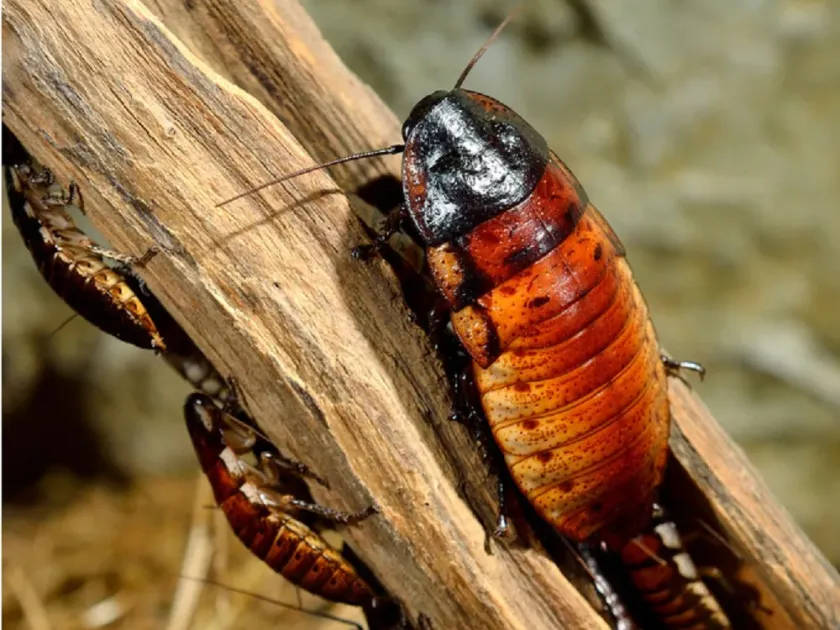
The Madeira cockroach (Leucophaea maderae) belongs to the order Blattodea, family Blaberidae. It is a large insect reaching 4-5 cm in length, characterized by a yellowish-brown color with distinct dark patterns on its pronotum.
Unlike common indoor cockroaches, this species has fully developed wings and is capable of flight, which facilitates its spread in greenhouse environments.
The species exhibits ovoviviparity, where the female carries the ootheca internally, ensuring high survival rates of the offspring regardless of minor environmental fluctuations.
Optimal conditions for population development include high humidity and temperatures between 20-30 degrees Celsius, typical for greenhouses and conservatory settings.
Nymphs undergo several molting stages, gradually increasing in size and exhibiting feeding habits similar to adults, consuming plant tissues from early development.
What it damages
This pest is a generalist polyphage that affects a wide range of ornamental and agricultural crops, posing a significant risk to protected cultivation facilities.
Insects feed on leaves, young shoots, and roots, which leads to stunted growth and severe physiological stress for the infested plants.
Beyond physical consumption, these cockroaches contaminate the soil and foliage with excrement, fostering the growth of secondary fungal pathogens.
The pest also targets fruit crops, causing aesthetic and structural damage that renders the produce unfit for market sale.
In high-density infestations, these insects are capable of completely destroying seedling trays, leading to significant economic losses in professional nurseries.
When it appears
In their natural tropical range, these cockroaches breed year-round, provided the temperature remains suitable for their metabolic activity.
Within greenhouses and indoor facilities, the pest remains active throughout the year due to stable microclimates that bypass seasonal climate constraints.
Population growth peaks during the warmer months, as higher ambient temperatures accelerate the insect's reproductive and developmental cycles.
Long-distance dispersal typically occurs via the transport of contaminated nursery stock or imported agricultural products, allowing for infestation at any time of the year.
Winter months represent a bottleneck for outdoor populations, but sheltered indoor environments allow colonies to persist and thrive indefinitely.
Signs of infestation
The presence of fine dark fecal spots on the leaves or soil surface is often the primary indicator of an established Madeira cockroach infestation.
Leaf damage appears as irregular, chewed edges on foliage, frequently observed during nocturnal inspections of the plants.
Physical detection is best achieved through nighttime observations using a flashlight, as these nocturnal insects hide under debris, pots, or structural cracks during the day.
Discarded oothecae found near plant bases are clear evidence of a reproductive population that requires immediate management action.
A distinct, pungent odor released by the cockroaches when threatened often serves as a sensory indicator of a large colony occupying the greenhouse area.
Control measures
Strict phytosanitary inspection of all incoming nursery materials is the most effective preventative measure to stop the introduction of this pest.
Control strategies involve the strategic placement of adhesive traps and the application of insecticidal baits focused on intestinal action to reduce colony density.
- Drenching the soil with biopesticides containing entomopathogenic fungi.
- Maintaining high sanitary standards by removing plant debris and waste.
- Using authorized insecticides as a last resort in cases of severe infestations.
Biological control methods are currently being explored, although their efficacy in large, complex greenhouse environments remains limited by environmental conditions.
Consistent monitoring and mechanical elimination of individuals are essential to prevent localized infestations from escalating into widespread crop damage.
Taxonomy
- Latin name
- Leucophaea
- Family
- Blaberidae
- EPPO code
- LEPHSP
Discussion
No discussions yet — be the first.