
Lerodea
Lerodea
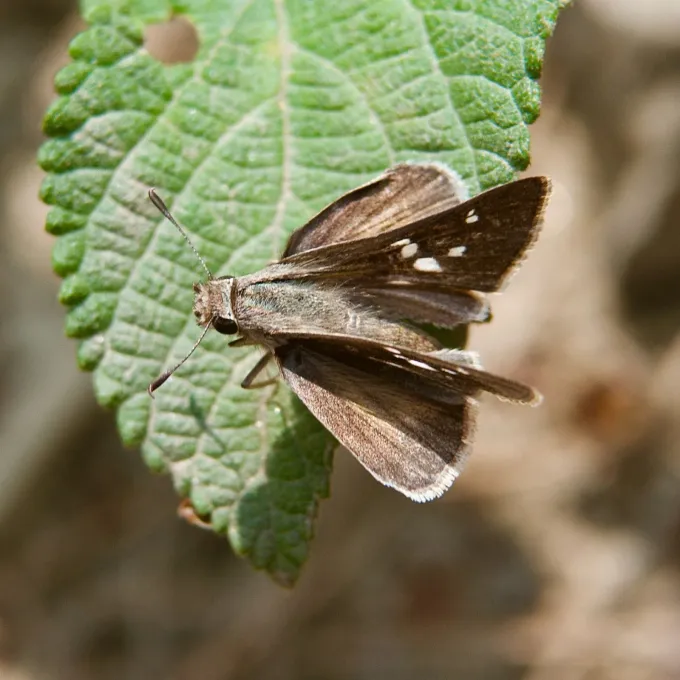
Description
How to identify
Lerodea is a genus of butterflies belonging to the Hesperiidae family (skippers) within the order Lepidoptera. As adults, these butterflies are characterized by a stout body and rapid, darting flight patterns.
The larvae, or caterpillars, of Lerodea exhibit a cylindrical body shape that tapers at both ends. They are typically colored in shades of green or brownish-yellow, providing excellent camouflage among the host plant foliage.
The heads of the caterpillars are often dark or mottled, equipped with robust chewing mouthparts designed to efficiently consume plant tissues in a relatively short period.
Pupae are frequently concealed within rolled leaves or between plant structures, protected by a dense, silken web spun by the caterpillar prior to the transformation process.
The lifecycle includes a complete metamorphosis comprising egg, larva, pupa, and imago stages, with the caterpillar phase being the primary cause of agricultural damage.
What it damages
The primary host plants for Lerodea larvae are various species of grasses, including both wild weed varieties and essential cereal crops used in agriculture.
This pest poses a significant threat to crops such as rice, sugarcane, and various types of millet, causing substantial economic losses in warm, tropical, and subtropical climates.
In regions where they are prevalent, Lerodea larvae can attack both young seedlings and mature plants, feeding on the leaf blades and occasionally damaging reproductive organs.
A high density of these pests in fields leads to a significant reduction in the plant's photosynthetic surface area, which directly translates to decreased crop yields.
In addition to direct tissue loss, the feeding sites created by the larvae often serve as entry points for secondary fungal and bacterial infections.
When it appears
The peak activity period of the insect coincides with the warmest months of the year when cereal crops experience rapid vegetative growth.
Adult butterflies are most active during daylight hours, preferring sunny conditions for mating and oviposition, during which eggs are laid on the underside of leaf blades.
The duration of a single generation varies depending on local temperature and humidity levels, typically ranging from three to six weeks, allowing multiple generations to occur in a single season.
Mass outbreaks of larvae are most commonly observed during mid-summer, as these conditions provide the optimal environment for larval growth and survival.
Towards the end of the growing season, activity levels decline, and the insect may enter a state of diapause depending on the specific climatic zone.
Signs of infestation
The initial sign of infestation is the appearance of irregularly shaped holes or chewed edges on the leaves of the host plants.
Caterpillars often roll or bind leaf margins together with silk, creating protective shelters where they remain hidden from predators and harsh environmental conditions.
Upon field inspection, small black fecal pellets are often found accumulated on the leaf surface or within the leaf sheaths of the affected plants.
Damaged plant parts often yellow, wither, and die, and in cases of severe infestation, this can lead to the widespread yellowing of entire sections of the field.
Detailed examination of the rolled leaves usually reveals the presence of larvae at various developmental stages or pupae encased in silk cocoons.
Control measures
Effective agronomic practices include the timely removal of weeds and grasses that serve as reservoir hosts for Lerodea during the off-season.
Implementing crop rotation and optimizing planting dates can help reduce the risk of synchronization between the pest's peak abundance and the most vulnerable growth stages of the crops.
Biological control methods involve the utilization of natural enemies, such as parasitic wasps, which play a crucial role in regulating larval populations naturally.
When infestation levels exceed economic thresholds, the application of systemic or contact-stomach insecticides registered for use on the specific crop is required.
Ongoing monitoring using pheromone traps allows for the early detection of butterfly flight, enabling farmers to plan and implement targeted protective measures.
Taxonomy
- Latin name
- Lerodea
- Order
- Lepidoptera (butterflies)
- Family
- Hesperiidae
- EPPO code
- LEROSP
Discussion
No discussions yet — be the first.