
Lepyronia coleoptrata
Lepyronia coleoptrata
Description
How to identify
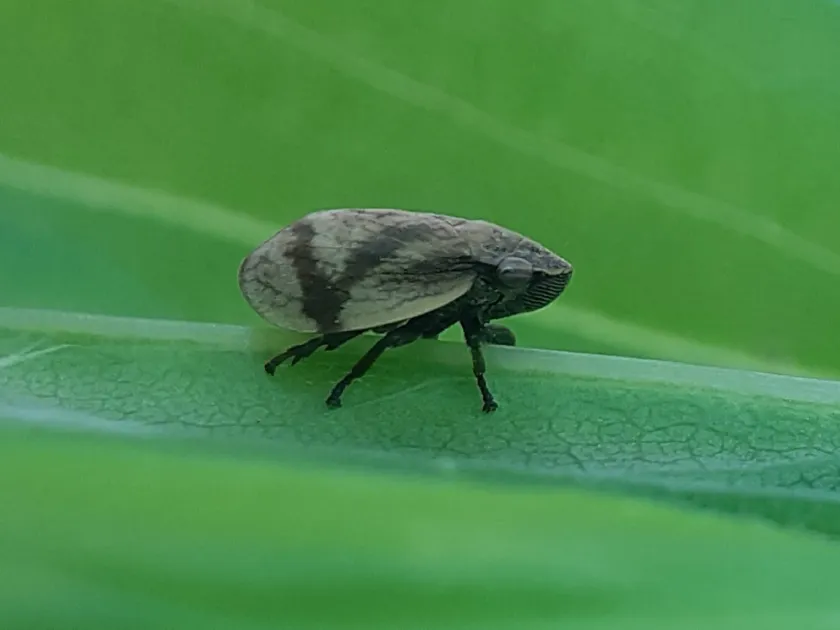
Lepyronia coleoptrata is a species of insect belonging to the family Aphrophoridae within the order Hemiptera. The adult insect features a stout body, typically measuring 6–8 mm, with a brownish-grey coloration and distinct dark patterns on its wings.
The defining characteristic of this species is the behavior of the nymphs, which produce a frothy, saliva-like substance. They live inside this foam, which acts as a protective shield against predators, dehydration, and environmental stress.
The head of the adult is broad with well-developed eyes, providing excellent vision. When at rest, their wings are folded against their body, resembling small seeds or wood fragments, a form of camouflage that helps them remain unnoticed.
Eggs are typically laid within plant tissues or under bark, protected by the female’s secretions. This preparation ensures that the next generation survives harsh winter conditions before hatching in the spring.
The lifecycle involves several nymphal stages. As they develop, they grow in size and gradually prepare for their final molt into the winged adult stage, ready to disperse to new host plants.
What it damages
This pest is highly polyphagous, meaning it feeds on a wide range of plants, including field weeds, berries, vegetable crops, and ornamental bushes. Both nymphs and adults feed by piercing the plant epidermis and sucking sap.
Feeding damage disrupts the normal physiological functions of the plant. Visible symptoms include curled leaves, stunted growth, and structural deformations in stems where the insect has repeatedly fed.
In cases of heavy infestation, the plant’s health significantly declines, leading to reduced photosynthesis and overall vigor. This makes the plants more susceptible to secondary fungal pathogens and viral diseases.
Adults are highly mobile and can migrate between plants, potentially spreading plant diseases across a field or garden. Their feeding habits make them a nuisance for both agricultural productivity and ornamental beauty.
The economic impact is primarily driven by the reduction in yield and the degradation of aesthetic quality in ornamental plants, as the presence of foam and damaged foliage ruins the visual appeal.
When it appears
Activity of Lepyronia coleoptrata begins in early spring, as soon as temperatures allow for active plant growth. Nymphs emerge from their overwintered eggs to begin feeding on the fresh, nutrient-rich sap of young shoots.
The peak of nymphal activity is typically observed during late spring, in May and June. During this time, the presence of their telltale foam is most noticeable on stems, leaf axils, and developing flower buds.
Adults typically emerge in mid-summer, around July. Unlike the nymphs, adults are more active and move freely between plants, continuing their feeding cycle through the end of the summer season.
In the autumn, females deposit their eggs in sheltered areas, marking the end of the cycle for that year. The eggs remain dormant until the following spring when the cycle begins anew.
Monitoring should be most intense in late spring. Checking the lower parts of stems and dense foliage is key to catching early infestations before they spread across the entire planting area.
Signs of infestation
The primary diagnostic sign of an infestation is the appearance of white, frothy foam patches on the stems or leaf axils. This foam is the characteristic "cuckoo spit" associated with this pest.
Affected plants often show signs of wilting or chlorosis. Leaves may appear twisted or crinkled, and the overall plant growth may slow down significantly compared to healthy, uninfested counterparts.
If you carefully remove the foam, you will find the nymph inside, which is usually pale, light green, or yellowish. They are typically slow-moving but will retreat deeper into the foam if disturbed.
Unexpected yellowing or stunted shoot tips are strong indicators of sap-sucking pests. These signs warrant closer inspection to confirm the presence of the nymphs hiding within their protective bubbles.
- White, foamy "spit" patches on stems
- Distorted and curled young leaves
- Yellowing of foliage (chlorosis)
- Stunted plant growth and reduced vigor
Control measures
Cultural control is the first line of defense. Keeping your garden free of weeds is critical, as weeds often serve as the initial nursery for the nymphs before they migrate to more valuable crops.
For minor infestations, mechanical removal is highly effective. Simply washing the plants with a strong stream of water from a garden hose will dislodge the nymphs and destroy their protective foam, usually proving fatal to them.
If the population levels reach an economic threshold, chemical control may be necessary. Use systemic or contact insecticides, choosing those with a minimal impact on beneficial insects like bees and predators.
Biological controls, such as introducing or encouraging natural predators like ladybugs or predatory wasps, can help manage populations. Additionally, microbial insecticides can be used as a safer alternative to conventional chemicals.
Regular monitoring and prompt removal of severely affected branches can prevent the spread of the pest, ensuring that your plants remain healthy and productive throughout the entire growing season.
Taxonomy
- Latin name
- Lepyronia coleoptrata
- Order
- Hemiptera (bugs, aphids, leafhoppers)
- Family
- Aphrophoridae
- EPPO code
- LEPOCO
Discussion
No discussions yet — be the first.