
Spittlebug (Lepyronia)
Lepyronia
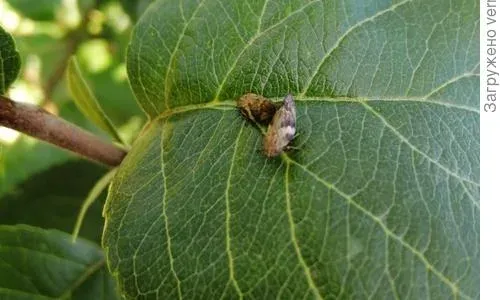
Description
How to identify
Lepyronia is a genus of insects in the family Aphrophoridae, commonly known as spittlebugs or froghoppers. These insects are best known for the white, foamy, spit-like substance that nymphs produce for protection.
Adults are typically robust, measuring between 6 and 10 mm in length. Their body shape is distinctive, with a vaulted head and forewings that give them a humpbacked appearance when viewed from the side.
The nymphal stage is spent within a mass of spittle. This foam is created from the nymph's anal secretions mixed with air, providing a humid, temperature-controlled environment and hiding it from predators.
The life cycle involves incomplete metamorphosis: egg, nymph (five instars), and adult. In most regions, they produce one generation per year, with eggs typically overwintering on plant tissues.
Adult Lepyronia are cryptically colored, usually exhibiting shades of brown or grey, often with patterns that blend in perfectly with the bark or stems of their host plants.
What it damages
Lepyronia species are polyphagous, meaning they feed on a wide variety of host plants, including ornamentals, grasses, fruit bushes, and young deciduous trees.
Both nymphs and adults feed by inserting their piercing-sucking mouthparts into the plant's xylem or phloem tissues. This feeding process deprives the plant of essential nutrients and moisture.
Beyond direct nutrient loss, these insects are known vectors for various plant pathogens, including phytoplasmas, which can cause severe growth disorders like stunted development and leaf curling.
Heavy infestations lead to yellowing of foliage, deformed shoots, and a general decline in plant vigor. In nursery settings, the presence of foam residues can render plants unsellable.
Continued feeding weakens the plant’s immune system, making it more susceptible to secondary infections, fungal diseases, and environmental stressors like drought or cold.
When it appears
The emergence of nymphs occurs in early spring, usually coinciding with the onset of vigorous plant growth in May, as temperatures begin to rise significantly.
The nymphal development period lasts roughly 4 to 6 weeks. During this window, the characteristic foam masses become highly visible on the stems and leaf axils of affected host plants.
Adults typically appear in late June through July. These adults are mobile, active, and capable of moving across the garden to find new hosts for feeding and oviposition.
Activity continues throughout the summer months. While the nymphs are confined to their foam, the adults are free-ranging and may persist until the first hard autumn frosts.
Late summer and autumn are dedicated to mating and egg-laying. The eggs are deposited into protective crevices in the bark or near the roots to survive the winter dormancy.
Signs of infestation
The most reliable sign of a Lepyronia infestation is the presence of white, frothy foam patches on stems, near flower buds, or at the base of leaves.
Localized chlorosis (yellowing) or stippling on leaves near the feeding sites often appears as a result of the insect's saliva and mechanical tissue damage.
Stunted growth, twisting of new shoots, and deformation of floral parts are common indicators that a colony of nymphs has been feeding on the plant for an extended period.
The sudden jumping of adult insects when a plant is touched or shaken is a classic behavioral sign, confirming the presence of the pest in the vicinity.
Ant activity or the presence of sooty mold on the foliage can sometimes be a secondary sign, as the plant's weakened state or the foam itself attracts other insects.
Control measures
For minor infestations, a strong stream of water from a garden hose is often sufficient to wash away the spittle masses, exposing the nymphs to predators or desiccation.
Cultural control involves maintaining garden hygiene by removing weeds that may serve as alternative hosts and pruning away heavily infested parts of the plant.
If chemical intervention is necessary, systemic insecticides are the most effective choice, as they are translocated within the plant tissues where the nymphs are feeding.
Biological control agents, such as entomopathogenic fungi or beneficial predatory insects, can help maintain populations below the economic injury level in sustainable landscapes.
- Apply horticultural soaps or oils to the nymph masses to disrupt their protective foam.
- Use yellow sticky traps to monitor and reduce the population of adult froghoppers.
- Improve overall plant health through balanced fertilization to increase natural resistance.
Taxonomy
- Latin name
- Lepyronia
- Order
- Hemiptera (bugs, aphids, leafhoppers)
- Family
- Aphrophoridae
- EPPO code
- LEPOSP
Discussion
No discussions yet — be the first.