
Snowshoe hare
Lepus americanus
Description
How to identify
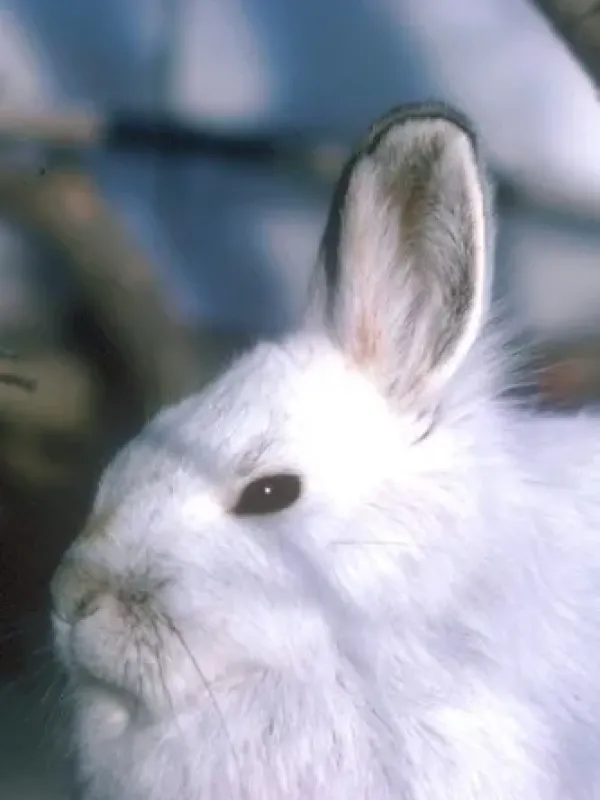
The snowshoe hare (Lepus americanus) is a species of the Leporidae family, recognized for its distinct seasonal color change, turning from brown in summer to white in winter.
Their namesake feature is the exceptionally large, fur-covered hind feet, which act like natural snowshoes to help them travel across deep snow without sinking.
Native to North America, they inhabit boreal forests and dense thickets, where they rely on camouflage and speed to escape potential predators in their environment.
The species is known for its dramatic population cycles, which typically fluctuate over an 8 to 11-year period, often leading to surges in agricultural and forestry impacts.
Snowshoe hares are primarily nocturnal and crepuscular, spending daylight hours resting in hidden forms or under thick vegetation, making them difficult to spot during the day.
What it damages
During the winter months, when the availability of soft vegetation is limited, snowshoe hares resort to browsing on woody materials to sustain themselves.
They frequently target the bark of young fruit trees, such as apple and cherry, stripping it away and causing significant stress or total mortality to the plant.
In forest nurseries, they are notorious for nipping off terminal buds and young shoots of coniferous seedlings like pine and spruce, hindering normal growth patterns.
Repeated browsing on stems can cause girdling, which disrupts the tree's vascular system, preventing the transport of water and nutrients from the roots to the canopy.
The cumulative damage caused by these hares during long winters can result in the loss of entire stands of young trees, representing a major economic burden.
Signs of infestation
Clean, angled cuts on twigs and small branches are a hallmark sign of hare activity, indicating where the animal has snipped the vegetation with its sharp teeth.
Striped or ragged bark removal at the base of tree trunks, often extending up to a meter high, provides clear evidence that a hare has been feeding on the tree.
Abundant pellet droppings, which are typically small, rounded, and firm, are frequently found clustered around the base of the trees they have been feeding on.
Presence of well-worn trails in the snow leading from forested cover to specific trees indicates repeated use of a feeding corridor by the hares.
Disturbed soil or pressed-down vegetation in nearby shrubs indicates where the animals have been resting, signaling that they are established nearby.
Control measures
Physical exclusion is the most effective control measure; installing wire mesh or plastic tree guards around the trunk prevents the hare from reaching the bark.
Applying taste-based or scent-based repellents to the bark can discourage feeding, though these applications must be reapplied frequently due to winter weathering.
Maintaining a clean buffer zone by removing brush and tall grasses near the base of valuable trees makes the area less attractive for hares to hide or feed.
Wrapping trunks with protective materials such as burlap or specialized tree wraps offers a physical barrier that can deter browsing throughout the winter season.
Where hare populations are high, integrated management plans may be necessary, focusing on habitat modification to shift their activity away from sensitive young plants.
Taxonomy
- Latin name
- Lepus americanus
- Family
- Leporidae
- EPPO code
- LEPUAM
Discussion
No discussions yet — be the first.