
Kontikia
Kontikia
Description
How to identify
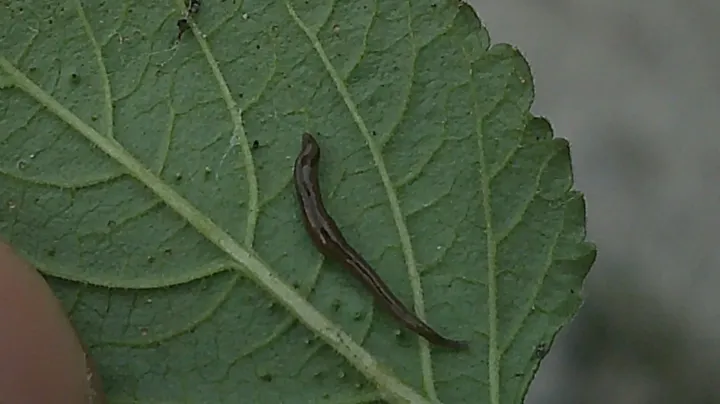
Kontikia is a genus of land planarians belonging to the phylum Platyhelminthes. These flatworms have a flattened, elongated body covered in a protective layer of slime.
Physically, they resemble small slugs or leeches but lack any segmentation or visible organs. Adult specimens typically measure between 1 to 5 centimeters in length, often displaying brownish or yellowish coloration with darker longitudinal stripes.
A unique biological characteristic of these worms is their remarkable ability to regenerate. If a specimen is cut or damaged, each part can often grow into a new individual, which makes manual eradication very challenging.
They are strictly nocturnal or crepuscular creatures, preferring dark and humid environments. During the day, they hide under leaf litter, stones, damp wood, or within the top layer of loose, moist soil.
Because they lack a rigid exoskeleton, their survival is heavily dependent on moisture. In dry conditions, they suffer from rapid dehydration and will seek deep refuge or die if they cannot find adequate humidity.
What it damages
The primary damage caused by Kontikia is observed in greenhouses, nurseries, and damp gardens. They can affect a variety of ornamental plants, vegetable seedlings, and small berries.
While many land planarians are predators of earthworms and mollusks, species of Kontikia are often associated with the secondary spread of soil-borne pathogens. They facilitate the entry of bacteria and fungi into plant tissues through the wounds they create.
They can feed on the root systems of young seedlings and delicate stems, causing physical injury that weakens the plant's structural integrity and water transport capacity.
The ecological damage includes the depletion of soil microfauna, specifically earthworms, which are essential for soil aeration and nutrient cycling. A decrease in earthworm population is often an indicator of their presence.
Economic damage is most significant in commercial plant production where high plant density and constant irrigation provide an ideal habitat for these worms to thrive and multiply.
When it appears
The activity of these pests is closely linked to humidity levels. They are most active during prolonged rainy seasons, particularly in spring and autumn, when soil moisture is at its peak.
In greenhouses, where climate control is employed, seasonal patterns are effectively neutralized. If consistent humidity and warmth are maintained, these worms can continue their lifecycle and reproductive activities throughout the entire year.
The optimal temperature range for their development is between +15°C and +22°C. Extremes of temperature, particularly frost, force them to move deeper into the soil profile or towards more sheltered locations.
Reproduction occurs through the deposition of egg cocoons in the soil. Upon hatching, the juvenile worms immediately start searching for food sources among soil invertebrates.
Spread to new locations primarily occurs via the movement of infested potting soil, nursery stock, or garden tools that carry soil residues containing eggs or small individuals.
Signs of infestation
The most common sign of a Kontikia infestation is the presence of slimy trails on the soil surface, plant stems, or the sides of pots. These trails are usually thinner and more translucent than those left by snails.
Upon closer inspection, you may notice softened or decaying tissue at the base of the stem. This often leads to unexplained wilting or death of the plant due to root and stem damage.
During the night, using a flashlight, one can often spot the worms moving across the soil or under the underside of leaves that are in contact with the moist ground.
An indirect sign is a sudden decline in the number of earthworms in an area where they were previously abundant.
- Mucus trails on stems
- Sudden wilting of seedlings
- Presence of worms under debris
- Noticeable decrease in earthworm activity
Visible decay patches on roots are also common, as the worm's feeding sites provide an easy point of entry for secondary bacterial or fungal rot infections.
Control measures
The most effective management strategy is cultural control. By adjusting irrigation schedules and improving soil drainage, you can create a less hospitable environment for these moisture-loving pests.
Maintaining garden hygiene is crucial: clear away debris, fallen leaves, and unnecessary stones or boards that provide daytime shelter for the worms.
Monitoring using traps can be very effective. Place pieces of damp cardboard or wet burlap on the soil surface overnight; in the morning, the worms can be collected from beneath the traps and destroyed.
Chemical control is generally difficult because these worms produce heavy amounts of mucus, which acts as a barrier against most contact insecticides. No specific pesticide is currently registered for the control of land planarians.
Prevention through quarantine is the best approach for greenhouse operations. All potting soil and incoming plant material should be carefully inspected or thermally treated to ensure that cocoons or adult worms are not introduced into the growing environment.
Taxonomy
- Latin name
- Kontikia
- Family
- Geoplanidae
- EPPO code
- KONTSP
Discussion
No discussions yet — be the first.