
Ironoquia dubia
Ironoquia dubia
Description
How to identify
Ironoquia dubia is a species of caddisfly belonging to the family Limnephilidae. These insects undergo complete metamorphosis, and their larval stage is primarily associated with aquatic or semi-aquatic environments.
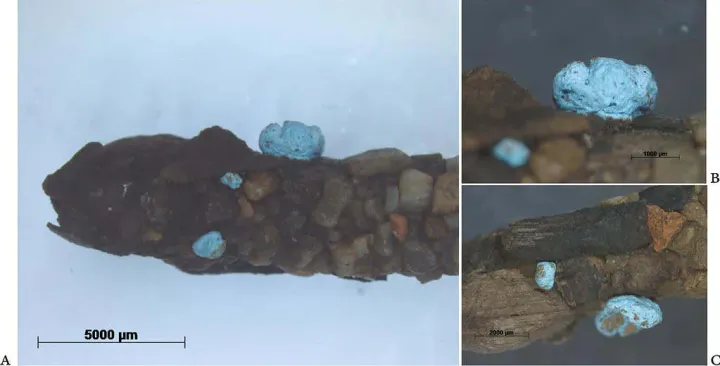
Adult caddisflies are inconspicuous insects with wings covered in fine hairs, typically folded in a tent-like shape over the abdomen. The larvae are known for constructing portable cases from soil, sand, or plant debris, which serve as protection and camouflage.
The species is well-adapted to habitats near ephemeral ponds, damp lowlands, and poorly drained agricultural fields where soil moisture remains high for extended periods.
The life cycle encompasses egg, larval, pupal, and adult stages. The larvae exhibit a remarkable ability to enter aestivation (a state of dormancy) during dry periods, ensuring their survival until favorable moisture conditions return.
Caddisflies are generally nocturnal or crepuscular, which means they are most active during the night, making them difficult to detect during standard daytime field inspections.
What it damages
The damage is primarily caused by the larvae, which, in the absence of sufficient organic detritus, may feed on the roots and lower stems of young crops in waterlogged areas.
Vegetable crops and cereal seedlings planted in low-lying areas of the field are the most susceptible to infestation, as these areas mimic the natural habitats of the larvae.
While primarily detritivores, high densities of larvae can lead them to switch to living plant tissues, causing significant physiological stress and growth inhibition to the affected seedlings.
Root system damage often compromises the plant's structural integrity and may invite secondary infections by soil-borne pathogens, further weakening the plant's immune response.
The damage is typically localized and sporadic, often becoming noticeable only after seasons with excessive spring rainfall that create persistent damp conditions across the field.
When it appears
The peak activity of larvae occurs during the spring months, when soil moisture levels are optimal for their movement and foraging throughout the field.
As summer temperatures rise and the fields dry out, larvae enter a dormant state, retreating into the soil or under vegetation debris until the return of autumn rains.
Adult emergence typically happens in late summer or early autumn, marking the period of mating and egg-laying in suitable moist substrates.
The life cycle timing of this pest is strictly synchronized with hydrological patterns, making local weather variability a decisive factor in population dynamics.
In irrigated farming systems, the development cycle can be extended or disrupted, requiring constant monitoring during periods of high water application.
Signs of infestation
The presence of Ironoquia dubia is often signaled by the appearance of characteristic portable cases or tubes made of soil particles and plant fragments near the root zone.
Affected plants exhibit irregular feeding patterns, particularly near the base of the stem, where larvae have been actively foraging for moisture and nutrients.
- Patchy wilting and stunted growth of seedlings in low-lying parts of the field.
- Visible remains of larval cases around the base of the stems.
- Reduced stand density due to loss of young plants in overly moist areas.
Damage symptoms are often misidentified as "damping-off" or general waterlogging; therefore, careful inspection of the root zone for larval cases is essential for proper diagnosis.
During the early morning or evening hours, it may be possible to observe active larvae moving across the surface of damp soil, which is a definitive confirmation of an active infestation.
Control measures
Improving field drainage is the most effective long-term control measure, as it eliminates the standing water necessary for the survival and development of the larvae.
Deep autumn plowing helps disturb the overwintering or dormant larvae, exposing them to environmental extremes and natural predators, which significantly reduces the subsequent population.
Effective crop rotation and the removal of weeds from adjacent damp areas can significantly reduce the reservoir of the pest population throughout the year.
Chemical control should be reserved for high-density outbreaks and applied locally as targeted insecticidal treatments to minimize the impact on beneficial soil fauna.
Biological control using entomopathogenic fungi has shown promise in managing larval populations in high-moisture environments, providing a sustainable alternative to traditional chemicals.
Taxonomy
- Latin name
- Ironoquia dubia
- Family
- Limnephilidae
- EPPO code
- IRONDU
Discussion
No discussions yet — be the first.