
Ironoquia
Ironoquia
Description
How to identify
Ironoquia is a genus of insects belonging to the order Trichoptera (caddisflies), specifically within the family Limnephilidae.
Adult caddisflies resemble small moths; their wings are covered with fine hairs and are held tent-like over the body when the insect is at rest.
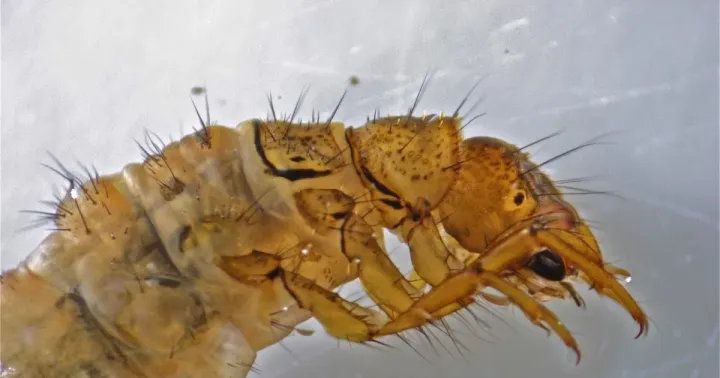
The larval stage is aquatic or semi-aquatic, characterized by the construction of portable cases made from sand, silk, or plant materials that protect their soft bodies.
Classification of species within this genus is primarily based on the internal structure of the male and female genitalia, as larval morphology is often highly conserved.
They typically inhabit temporary pools, small streams, or wet meadows, which occasionally overlap with low-lying agricultural areas susceptible to seasonal flooding.
What it damages
While not primary agricultural pests, Ironoquia larvae can occasionally cause damage to crops grown in waterlogged or flooded soil conditions.
They are primarily detritivores, consuming decaying plant matter, but in crowded or food-limited environments, they may feed on the succulent tissues of young crop seedlings.
Damage to the root system or the base of the stem can lead to stunted growth, reduced vigor, and increased susceptibility to fungal or bacterial pathogens.
Fields with poor drainage are particularly vulnerable, as the standing water creates an ideal habitat for larval development and colonization.
Crop losses are generally localized, occurring in patches where water accumulation persists for extended periods during the early growing season.
When it appears
The life cycle of Ironoquia is closely linked to water availability, with developmental stages timed to coincide with seasonal precipitation patterns.
Adult flight activity typically peaks in late summer or autumn, which is when mating and egg-laying occur in or near suitable aquatic habitats.
Larvae are most active during the spring, following the winter dormant phase, as they require moisture to move and feed effectively.
Overwintering occurs in the larval stage, often inside their protective cases, hidden within substrate or aquatic vegetation to withstand low temperatures.
Monitoring for larvae should be prioritized in early spring when water levels are high, as this is when the potential for crop interaction is highest.
Signs of infestation
Presence of Ironoquia is confirmed by locating their distinctive cases, often found attached to the stems of crop plants or resting on the soil surface.
Feeding signs include irregular holes in leaves or tissue loss at the base of the stem, often accompanied by the presence of larval waste and debris.
Infected areas often show signs of water stress or yellowing, as the larval feeding damages the root system and disrupts normal nutrient uptake.
The discovery of small, mobile debris-covered tubes on the soil surface after rain is a clear indicator of larval presence in the field.
An accumulation of plant matter and small stones formed into tubes around the base of plants is a definitive sign of an active infestation.
Control measures
Effective water management is the primary control strategy; ensuring proper field drainage helps eliminate the aquatic conditions required for larval survival.
Weed management around the perimeters of fields and drainage ditches can significantly reduce the habitat available for larvae to hide and develop.
Cultivation and tillage practices prior to planting help destroy larval overwintering sites, significantly reducing the initial population size in the field.
In cases of high infestation, localized application of registered insecticides may be necessary, though this is rarely required for general crop production.
Integrated Pest Management (IPM) should emphasize cultural practices over chemical intervention to maintain environmental balance and minimize impacts on beneficial organisms.
Taxonomy
- Latin name
- Ironoquia
- Family
- Limnephilidae
- EPPO code
- IRONSP
Discussion
No discussions yet — be the first.