
Iris oratoria
Iris oratoria
Description
How to identify
Iris oratoria, commonly known as the Mediterranean mantis, is a predatory insect belonging to the Tarachodidae family.
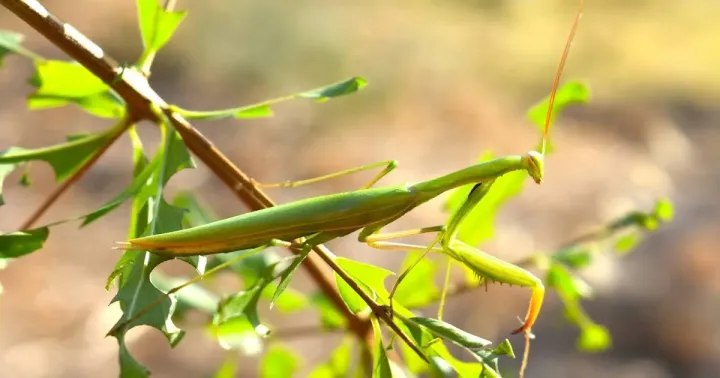
The species is easily recognized by its medium size, usually ranging from 4 to 6 centimeters in total body length.
The most prominent diagnostic feature is the large, colorful spot on the hind wings, which looks like a prominent eye.
When threatened, the mantis displays these wings to startle predators, creating an illusion of a much larger animal.
Their body color is typically shades of green or light brown, providing excellent camouflage within various plant environments.
What it damages
This mantis is a generalist predator and does not consume plant tissue, meaning it does not cause direct physical damage to crops.
Its impact is purely ecological, as it consumes any insect that fits within its predatory capabilities regardless of species status.
The main concern for farmers is the predation of pollinators, including bees and butterflies, which are essential for fruit set.
By consuming beneficial insects like lacewings or ladybugs, it can indirectly interfere with existing biological control programs.
However, it also preys on various crop pests, making its net impact on the agricultural environment highly variable and site-specific.
When it appears
The life cycle of this species is univoltine, meaning there is typically only one generation produced per year.
Eggs are laid in late summer or autumn inside a robust protective structure known as an ootheca, which overwinters.
Nymphs emerge in the spring once temperatures have reached a sufficient threshold to support their active metabolism.
Development involves several molting stages throughout the summer, gradually increasing in size until reaching maturity.
Adults are most visible during late summer and early autumn when they are sexually active and searching for mates.
Signs of infestation
The primary sign of their presence is the observation of adults resting on stems, branches, or near bright light sources at night.
During the winter, the presence of these mantises can be confirmed by searching for the oothecae attached to twigs and garden structures.
Empty exuviae (shed skins) left behind after molting on leaves serve as another clear indicator of a resident population.
A reduction in the number of visiting pollinators near specific flower beds may suggest that a mantis is using that area as a hunting ground.
Direct sightings of the mantis in its characteristic defensive posture, with raised front legs, are standard in areas with established populations.
Control measures
Direct control measures are rarely necessary, as this species is not considered a significant threat to commercial agriculture.
If management becomes essential, physical removal of the oothecae during the winter months is the most effective and eco-friendly method.
Hand-collecting adults during the late summer can reduce the local population density if they interfere with sensitive pollinator hubs.
Maintaining a balanced ecosystem that includes diverse predators, such as insectivorous birds, naturally regulates mantis populations.
Avoiding broad-spectrum insecticides is highly recommended to protect other beneficial insects that maintain the ecological health of the orchard.
Taxonomy
- Latin name
- Iris oratoria
- Family
- Mantidae
- EPPO code
- IRISOR
Discussion
No discussions yet — be the first.