
Ameles
Ameles
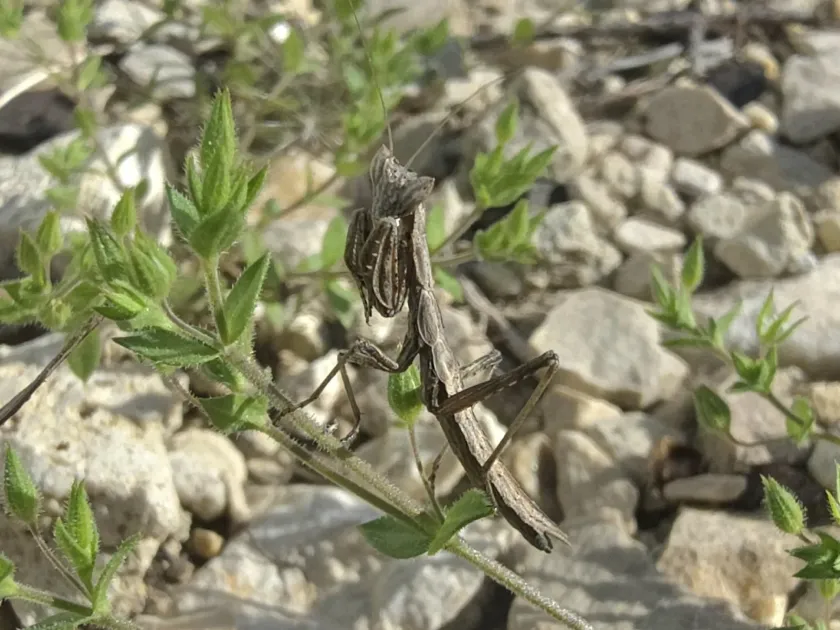
Description
How to identify
The Ameles genus comprises small mantises belonging to the Mantidae family. They are known for their distinct appearance and specialized hunting behavior adapted to grasslands and open fields.
Sexual dimorphism is a hallmark of this genus. Males are generally winged and capable of flight, which aids in finding mates across larger distances, while females often possess vestigial or shortened wings.
Their coloration typically mimics dry grass or twigs, providing excellent camouflage against predators and allowing them to ambush prey with high efficiency.
Like other mantids, they develop through incomplete metamorphosis, progressing through egg, nymph, and adult stages. This process ensures they are active predators throughout most of their life cycle.
They prefer sunny, dry environments with sparse vegetation, making them common inhabitants of field edges, meadows, and neglected garden areas.
What it damages
Ameles species are obligate predators, meaning they do not consume plant tissues, leaves, or roots. Their impact on crops is strictly indirect and ecological rather than direct feeding damage.
The primary concern regarding these insects in agriculture is their predation on beneficial insects, such as pollinators (bees and bumblebees) and other biological control agents.
By consuming natural enemies of common plant pests, such as ladybugs or lacewings, an overpopulation of mantises can disrupt the biological pest control programs established by farmers.
In highly sensitive horticultural settings, such as greenhouses or organic herb farms, their presence may interfere with the successful implementation of beneficial insect releases.
Ultimately, their classification as a "pest" is situational, depending on whether their predatory impact on the local ecosystem outweighs the natural pest control they might provide.
When it appears
The life cycle of Ameles is synchronized with the warm season. Nymphs typically emerge in late spring when temperatures are consistently high enough to support their active growth.
Peak adult activity occurs during the height of summer. During this phase, they are most mobile, as males search for females and both sexes hunt to fuel their reproductive efforts.
As the season shifts toward autumn, adult mantises focus on mating. Females subsequently produce oothecae, the characteristic egg cases, which are securely attached to plants or rocks.
These oothecae act as the overwintering stage, protecting the developing embryos from cold temperatures and ensuring the survival of the next generation until the following spring.
Monitoring for the presence of these egg cases during the dormant season is a key tactic for managing potential population surges in the following year.
Control measures
Control measures for Ameles should be minimal and focused on habitat modification rather than chemical intervention, which could harm broader biodiversity.
Regular maintenance of the area, including mowing weeds and tall grasses, effectively reduces the available ambush spots, making the environment less hospitable for mantises.
Physical removal of oothecae found on stakes, fences, or tree branches during winter maintenance is a highly effective, low-impact strategy to keep populations in check.
Preventing the over-reliance on chemical pesticides is crucial. A balanced, healthy ecosystem often supports a variety of predators that naturally keep mantis populations at sustainable levels.
If management is required, focus on preserving the overall health of the ecosystem so that the reliance on individual predator species for crop protection becomes secondary to natural balance.
Taxonomy
- Latin name
- Ameles
- Family
- Mantidae
- EPPO code
- AMLESP
Discussion
No discussions yet — be the first.