
Iris fly
Iris
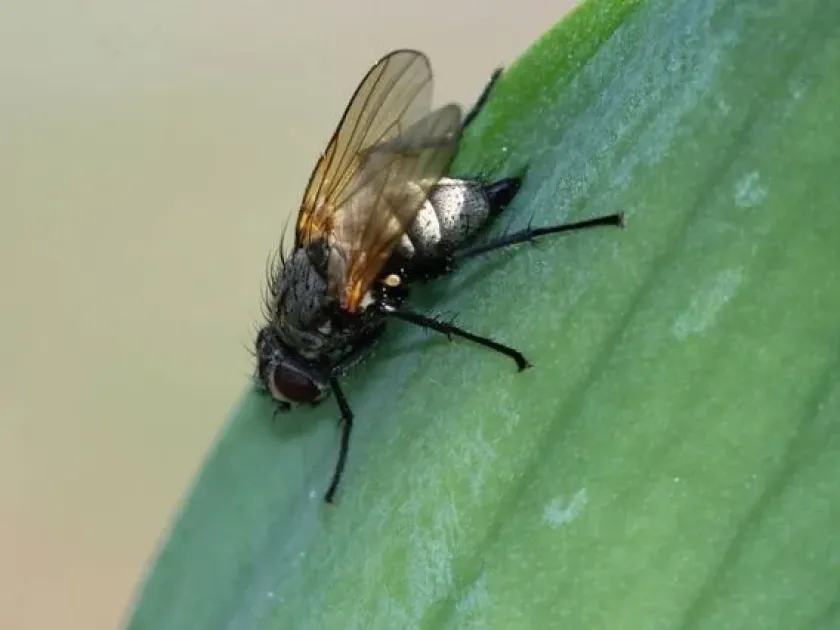
Description
How to identify
The Iris fly (most commonly Noeeta pupillata) belongs to the Tephritidae family, known for their distinctively patterned wings. These small insects are highly specialized, targeting iris plants specifically, making them a significant concern for iris enthusiasts during the spring months.
What it damages
The damage is caused primarily by the larvae, which feed on the internal parts of the developing flower buds. This destruction prevents the iris from blooming properly, often causing the bud to wither and die prematurely before it even opens.
When it appears
The fly emerges in late spring, aligning its life cycle with the development of iris flower stalks. The period between the appearance of the first buds and the start of full bloom is the peak time when adult flies are most active and prone to egg-laying.
Signs of infestation
Infestation is easily recognized by the presence of distorted, yellowing, or stunted buds that fail to unfold. If a suspect bud is opened, one will find small, whitish maggots feeding on the petals and stamens, often accompanied by decay within the flower bud tissue.
Control measures
Effective management requires a combination of manual and chemical methods. Gardeners should regularly inspect buds during the growing season and promptly dispose of any that show signs of damage. Applying systemic insecticides during the early bud formation stage is recommended to kill the larvae before they cause irreparable damage to the future flowers.
Taxonomy
- Latin name
- Iris
- Family
- Mantidae
- EPPO code
- IRISSP
Discussion
No discussions yet — be the first.