
Spurge hawk-moth
Hyles euphorbiae
Description
How to identify
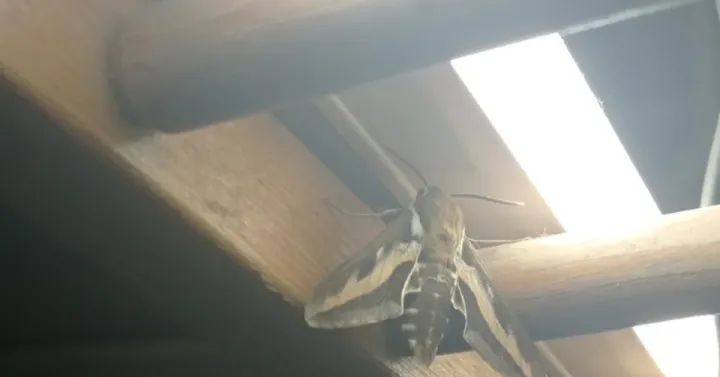
The Spurge hawk-moth (Hyles euphorbiae) is a large moth belonging to the Sphingidae family. Adult moths have an impressive wingspan, often reaching up to 80 mm, characterized by olive-brown forewings and pink-tinted hindwings, providing effective camouflage.
Larvae, or caterpillars, are the most easily identifiable stage, growing up to 8 cm in length. They display striking aposematic coloration: a black body covered with white or yellow spots, a red head, and a distinctive horn on the posterior end of the abdomen.
The life cycle undergoes complete metamorphosis, including egg, larval, pupal, and adult stages. In most temperate regions, the species completes one generation per year, though warmer climates may allow for a partial second brood during the summer months.
Overwintering occurs in the pupal stage. The pupae reside in silk cocoons just beneath the soil surface or hidden within accumulated leaf litter, waiting for favorable temperatures to trigger emergence in late spring or early summer.
Females deposit eggs on the leaves or stems of host plants. After hatching, the larvae go through several instars, feeding voraciously on the foliage and increasing significantly in mass as they prepare for pupation.
What it damages
The primary host plants for the larvae are species within the Euphorbiaceae family, specifically the genus Euphorbia (spurges). Due to this specialized diet, the moth typically feeds on wild species rather than common agricultural crops.
Damage primarily impacts ornamental plantings where Euphorbia species are used in landscaping or rock gardens. In these environments, heavy larval feeding can result in rapid defoliation, stripping the plant of its leaves and destroying its aesthetic value.
Because the larvae are highly active feeders, a small population can consume a significant portion of a plant's green biomass in just a few days. This loss of foliage inhibits photosynthesis, leading to reduced vigor and stunted growth.
In agricultural settings, the moth is rarely considered a major pest of crops, as it avoids standard field cultivars. However, in regions where noxious weeds such as leafy spurge are prevalent, the moth may play a role as a biological agent in curbing weed populations.
The economic impact of the Spurge hawk-moth is generally low, but localized outbreaks can necessitate intervention if they threaten rare ornamental varieties of spurge or if they spill over from wild patches into cultivated areas.
Signs of infestation
Visible defoliation is the primary sign of infestation. Larvae begin by feeding on the edges of leaves, eventually moving toward the central veins and leaving behind skeletonized remains of the plant structure.
Frass, or caterpillar droppings, are often found in significant quantities beneath infested plants. These dark, pellet-like droppings provide an obvious indicator of high caterpillar activity even before the insect itself is spotted.
Stunted growth or sudden yellowing of shoots can also indicate heavy feeding. When foliage is exhausted, larvae may move to younger, tender shoots, causing structural damage that affects the plant's ability to store energy for the following season.
The presence of larvae feeding openly during the day makes them easy to spot. They do not hide, as their bright coloration serves as a signal to predators, and their gregarious behavior in early stages can lead to clustered damage on stems.
If pupae are suspected, a light excavation of the soil at the base of the plant in the late season may reveal the dark-colored cocoons, providing a way to assess the size of the population remaining for the next year.
Control measures
Hand-picking is the most efficient and eco-friendly control method for small gardens. Because the larvae are large and brightly colored, they are easily removed from plants, providing immediate relief for the affected spurge specimens.
Cultural control involves tilling the soil around the base of host plants in late autumn. This practice disturbs the pupae in their cocoons, exposing them to environmental stress, frost, or predation, which significantly reduces the survival rate of the next generation.
Biological insecticides, specifically those containing Bacillus thuringiensis (Bt), are highly effective against early-instar larvae. This method targets the pest specifically while remaining harmless to beneficial insects and the surrounding environment.
Chemical intervention is rarely required and should be reserved only for severe infestations. If necessary, systemic or contact insecticides may be applied, though one must ensure they are safe for the specific ornamental varieties and follow label instructions regarding dosage.
Encouraging natural predators such as birds and parasitoid wasps helps maintain population balance. Creating a garden environment that supports these natural enemies is a sustainable way to keep Spurge hawk-moth populations below the threshold of economic or aesthetic damage.
Taxonomy
- Latin name
- Hyles euphorbiae
- Order
- Lepidoptera (butterflies)
- Family
- Sphingidae
- EPPO code
- CELEEU
Discussion
No discussions yet — be the first.