
Hawkmoth
Hyles
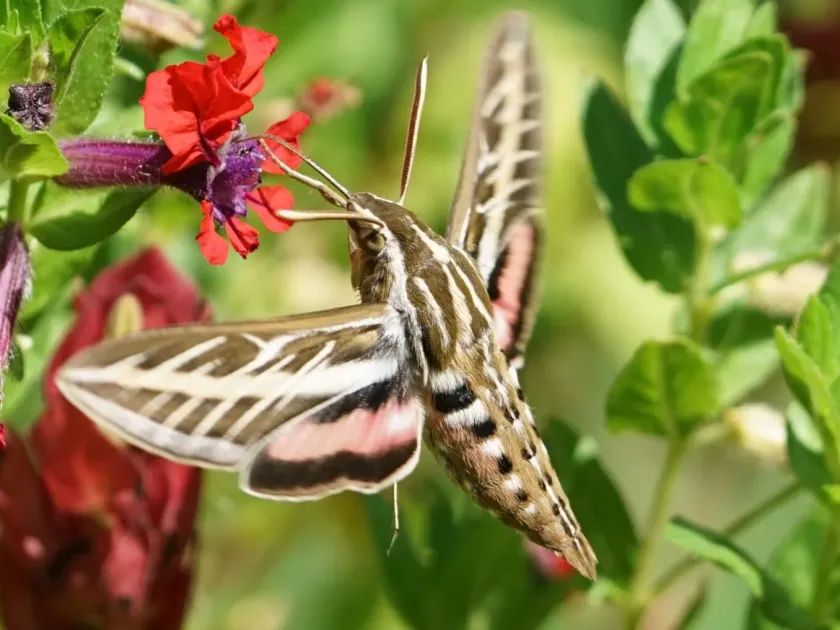
Description
How to identify
Hawkmoths (family Sphingidae) are large, powerful nocturnal moths known for their streamlined bodies and long, narrow wings that facilitate high-speed flight.
The larvae, or caterpillars, of these moths are easily recognizable by their vibrant colors and a distinct, horn-like projection located on their posterior segment.
Systematically, the genus Hyles belongs to the order Lepidoptera. These insects exhibit specific host plant preferences, which vary significantly between different species.
Adult hawkmoths possess long proboscises, allowing them to hover in mid-air while feeding on flower nectar, behavior often compared to that of a hummingbird.
The pupal stage typically occurs in the soil or leaf litter, providing the insect with a secure environment to undergo metamorphosis away from predators.
What it damages
Hawkmoth caterpillars are voracious phytophages capable of causing extensive damage to both wild vegetation and various agricultural crops.
Commonly affected plants include grapevines, sunflowers, potatoes, tomatoes, and a wide array of orchard trees and ornamental shrubs.
Damage is characterized by the rapid consumption of leaf tissue, which reduces the plant's photosynthetic capacity and weakens its overall physiological health.
Severe infestations can lead to total defoliation of plants, causing significant yield losses and increasing the risk of plant mortality in young specimens.
The late-instar caterpillars are particularly damaging, as they consume the highest volume of leaf matter as they prepare for the pupation phase.
When it appears
The flight period for adult moths generally occurs from late spring through summer, depending on regional temperature variations and local climatic conditions.
The life cycle encompasses four distinct stages: egg, larva, pupa, and adult. In warmer climates, many species are capable of completing two generations per year.
The peak activity of larvae typically aligns with the mid-summer months when the plants are providing maximum biomass for the growing insects.
Most hawkmoth species overwinter as pupae buried in the ground, an adaptation that ensures survival through the harsh winter months until spring emergence.
Second-generation adults often emerge in late summer, which can pose a secondary threat to late-harvest crops if conditions remain favorable.
Signs of infestation
The primary visual evidence of an infestation is the presence of partially consumed or skeletonized leaves, frequently found near the upper canopy of the plant.
Large, cylindrical frass (caterpillar droppings) found on the ground beneath the plants serves as a reliable indicator of the larvae feeding high up in the foliage.
Caterpillars are expert at camouflage, often blending seamlessly with the green stems and leaves, making them difficult to spot during daytime inspections.
The presence of adult moths hovering near flower beds at dusk is a strong indicator that the population is active and potentially laying eggs in the vicinity.
When scouting, pay close attention to the undersides of leaves and apical meristems, where the larvae often rest or begin their feeding activity.
Control measures
For small-scale gardens, manual removal of caterpillars during the early morning or late evening is the most eco-friendly and effective control strategy.
Tillage and deep cultivation of the soil during the autumn months can significantly reduce the overwintering pupal population by exposing them to predators and frost.
Biological control agents, such as Bacillus thuringiensis, offer an efficient way to manage larval populations without leaving harmful residues on crops.
Chemical insecticides should be used as a last resort, strictly adhering to integrated pest management principles to protect non-target beneficial insects.
- Maintain weed-free borders to eliminate alternative host plants.
- Use fine mesh netting to cover highly susceptible vegetable crops.
- Encourage natural predators such as birds and parasitic wasps in the garden.
Taxonomy
- Latin name
- Hyles
- Order
- Lepidoptera (butterflies)
- Family
- Sphingidae
- EPPO code
- HYLXSP
Discussion
No discussions yet — be the first.