
Fiery skipper
Hylephila
Description
How to identify
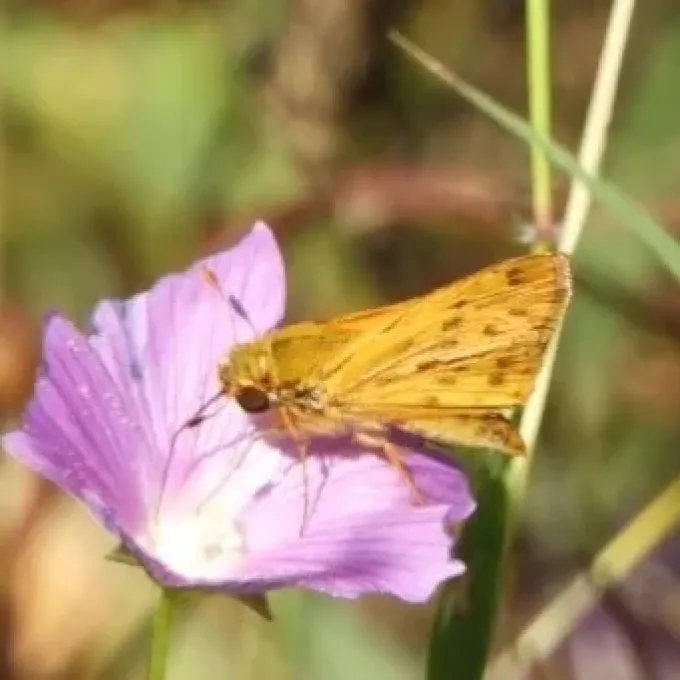
The Fiery skipper (Hylephila phyleus) is a butterfly belonging to the Hesperiidae family. Adult males are vibrant orange with dark brown borders and spots, while females are generally darker and browner.
The larvae are typically pale green or brown with a dark, textured head capsule. They grow up to 25 mm in length and are often covered in fine, short hairs, making them well-camouflaged.
The life cycle undergoes complete metamorphosis, including egg, larva (caterpillar), pupa, and adult stages. Depending on the climate, the species can produce multiple generations annually.
The eggs are laid individually on the underside of grass blades. This behavior makes early detection challenging, as the eggs are small and blend in with the leaf color.
Pupation occurs within a hidden shelter made of grass blades tied together with silk. This protective structure shields the pupa from predators and environmental stressors.
What it damages
The primary hosts for the Fiery skipper are various turfgrasses, including Bermuda grass and other common lawn species. The damage is primarily caused by the feeding activity of the larvae.
As the caterpillars grow, they consume increasing amounts of leaf tissue. This feeding creates jagged notches on the edges of the grass blades, leading to a ragged appearance of the lawn.
Heavy infestations can lead to thinning of the turf and the development of brown, dead patches. If left unmanaged, the damage can spread rapidly across the entire lawn area.
The removal of leaf tissue reduces the plant's ability to photosynthesize, which in turn weakens the root system and makes the turf less resilient to drought and high-traffic stress.
In addition to cosmetic issues, the weakened turf is more susceptible to encroachment by opportunistic weed species, which can permanently alter the composition of the lawn.
When it appears
Adult Fiery skippers are active during the warmer months, typically from late spring through early autumn. They are most frequently seen flying on sunny days when searching for nectar sources.
The larval stage is most destructive during mid-to-late summer. In regions with mild winters, the larvae may be active for a larger portion of the year, overlapping generations significantly.
Larval development is highly temperature-dependent. Rapid growth usually occurs during peak summer temperatures, increasing the pressure on turf management during this time.
Winter survival is often achieved by larvae in the late instar stage, hiding within the thatch layer or protected areas of the turf root zone until the spring temperatures rise.
Regular scouting is recommended from early summer. By keeping track of adult activity, turf managers can predict when larvae are likely to emerge and cause damage.
Signs of infestation
One of the most characteristic signs of infestation is the presence of small shelters made by binding grass blades together with silk. These shelters are often found near the soil surface.
Look for notched or ragged edges on the grass blades. This is a clear indicator that a caterpillar is feeding on the foliage within that specific area of the lawn.
Small, dark-colored pellet-like droppings (frass) found within the thatch or on the soil surface near the base of the grass indicate active feeding by a colony of caterpillars.
Yellowing or thinning patches of grass that do not respond to water or fertilization may point to localized caterpillar damage, especially if the stems appear stripped.
The presence of adult butterflies patrolling the area is a strong indicator of an active population that will soon produce offspring if not monitored properly.
Control measures
Maintaining a healthy lawn through regular mowing and proper irrigation is the first line of defense. Proper thatch management reduces the number of hiding spots available to larvae.
Biological control using Bacillus thuringiensis (Bt) is a highly effective and environmentally friendly option, specifically targeting the caterpillars without harming beneficial insects.
Chemical control with insecticides, such as carbaryl or pyrethroids, may be necessary for severe infestations. Always follow the label rates and safety guidelines for turf application.
Promoting dense turf growth through balanced fertilization helps the grass recover more quickly from feeding damage and suppresses the development of weed patches.
Using light traps or pheromone monitoring can help in timing the application of control measures, ensuring that treatments are applied when the pest is most vulnerable.
Taxonomy
- Latin name
- Hylephila
- Order
- Lepidoptera (butterflies)
- Family
- Hesperiidae
- EPPO code
- HYLHSP
Discussion
No discussions yet — be the first.