
Hyalophora
Hyalophora
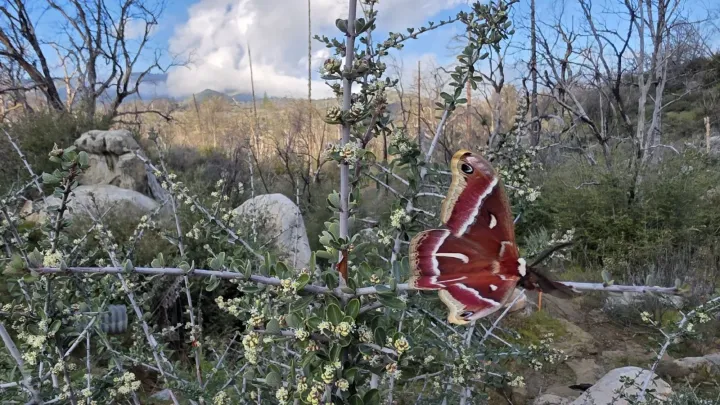
Description
How to identify
The genus Hyalophora belongs to the Saturniidae family, commonly known as giant silk moths. These are large nocturnal moths known for their striking appearance and eyespots on their wings.
Adult moths feature an impressive wingspan and feathery antennae, which are specialized for detecting pheromones during the mating season.
The caterpillars of these moths go through five larval stages, or instars, significantly changing their appearance and coloration as they grow.
In their final stage, the larvae reach substantial sizes and are often covered in prominent tubercles or hair-like structures, making them highly visible on branches.
The pupae develop inside tough, silken cocoons securely attached to twigs or trunks of host plants, providing protection against environmental stress.
What it damages
Hyalophora caterpillars are defoliators that primarily feed on the foliage of various deciduous trees and shrub species.
Key hosts include fruit-bearing trees such as apples, pears, plums, and cherries, alongside native forest species like birch, alder, and willow.
Under intensive horticultural conditions, massive infestations can lead to significant defoliation, which stresses the affected trees.
Young trees and saplings are particularly vulnerable, as the loss of significant leaf surface area inhibits growth and reduces overall hardiness.
While the pest rarely kills a mature, healthy tree, repeated seasonal defoliation can lead to a noticeable decline in vigor and overall fruit yield.
When it appears
The life cycle of the pest is typically univoltine, with adult moths emerging in early to mid-summer depending on the local climate.
Following mating, females deposit eggs in small clusters on the underside of host leaves to ensure a food supply for emerging larvae.
The active feeding phase of the caterpillars occurs during the second half of summer, as larvae accumulate biomass for the upcoming pupation phase.
Pupation occurs in autumn, where the insect remains in a dormant pupal state inside its cocoon throughout the winter months.
The cycle completes in the spring when the adult moth emerges, beginning the process of mating and reproduction once again.
Signs of infestation
The primary visual sign of infestation is skeletonized foliage or entirely consumed leaf margins on specific branches of the host tree.
The presence of large, noticeable frass (droppings) beneath the canopy indicates that late-instar larvae are actively feeding above.
Careful inspection of branches reveals the durable cocoons, which are often left attached to twigs well into the winter months after leaves have fallen.
The caterpillars themselves, due to their large size and vibrant colors, are frequently visible during routine garden inspections in late summer.
Localized thinning of the canopy is a classic sign of a concentrated colony residing and feeding within a specific section of the tree.
Control measures
The most effective management strategy for residential gardens involves manual removal of larvae and pruning away cocoons during the dormant winter season.
For larger infestations, biological insecticides containing Bacillus thuringiensis are highly effective as they target lepidopteran larvae specifically.
In cases of severe outbreak, contact-based insecticides labeled for use on ornamental or fruit trees may be applied following local safety regulations.
Encouraging biodiversity by attracting native birds and beneficial predatory insects helps maintain pest populations below the economic injury level.
- Regular sanitation pruning to remove infested branches.
- Using tree bands for population monitoring and physical barriers.
- Maintaining optimal tree health through proper fertilization and watering.
Taxonomy
- Latin name
- Hyalophora
- Order
- Lepidoptera (butterflies)
- Family
- Saturniidae
- EPPO code
- HYAOSP
Discussion
No discussions yet — be the first.