
Hyalesthes obsoletus
Hyalesthes obsoletus
Description
How to identify
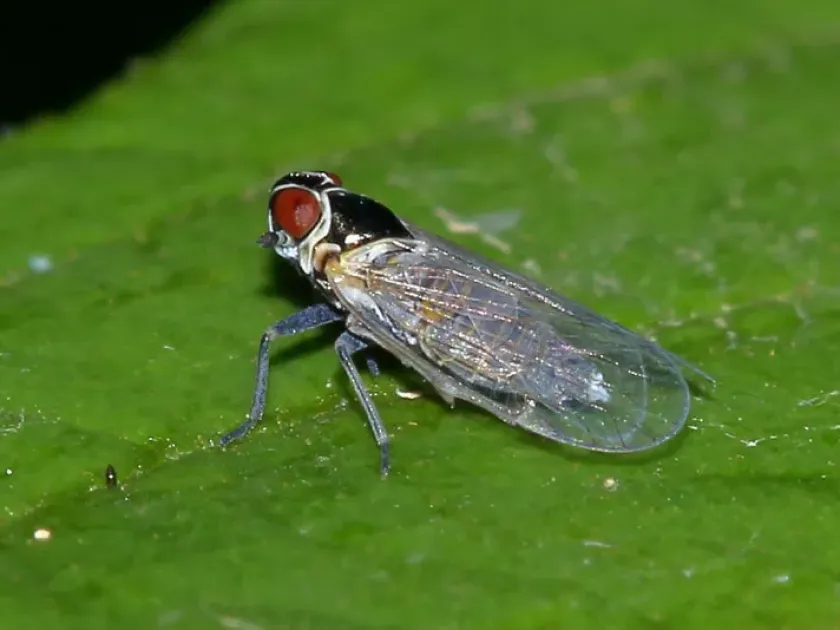
Hyalesthes obsoletus is a small sap-sucking insect belonging to the family Cixiidae within the order Hemiptera. Adults are approximately 5 mm long and possess a brownish body with transparent wings that are typically held in a roof-like position over the abdomen.
The nymphs of this species spend most of their life cycle underground, feeding on the roots of various host plants. They are characterized by a whitish appearance and a waxy coating that protects them from soil moisture.
The life cycle consists of the egg stage, five nymphal instars, and the adult stage. In temperate regions, it typically completes one generation per year, with nymphs overwintering in the upper soil layers.
Adults are most active during warm, dry weather conditions, which favor their dispersal between fields. Their flight activity is a critical factor in the spreading of plant pathogens across agricultural lands.
As vectors of phytoplasmas, these insects are considered significant agricultural pests. Their ability to move between wild hosts and commercial crops makes them particularly difficult to manage in large-scale farming.
What it damages
This pest affects a wide range of agricultural crops, with a particular affinity for solanaceous plants such as tomatoes, peppers, eggplants, and potatoes. It also inflicts damage on carrots and vineyards.
The primary economic damage is caused by the transmission of the stolbur phytoplasma. This disease disrupts the vascular system of the plant, leading to stunted growth, yellowing, and reproductive failure.
Weed species, particularly field bindweed (Convolvulus arvensis), serve as critical reservoirs for both the pest and the pathogen. The proximity of such weeds to crops is the primary driver of disease outbreaks.
Nymphal feeding on roots weakens the plant's overall vigor, making it more susceptible to environmental stress and secondary soil-borne infections, ultimately leading to significant yield losses.
The pest's feeding behavior results in systemic infection, meaning that once a plant is colonized by a viruliferous insect, the entire plant is compromised and often incapable of producing marketable fruits.
Signs of infestation
The most prominent symptom is chlorosis of the upper leaves, which often turn yellow or reddish-purple. The leaves may also curl upwards and appear deformed or stunted in size.
Flower deformation is a hallmark sign of infection. Blooms often exhibit irregular shapes, fused petals, or complete sterility, which prevents fruit set and leads to total crop failure in affected plants.
Stunting and proliferation of lateral shoots are common, giving the plant a bushy appearance. This physiological distortion occurs due to the phytoplasma interfering with the plant's growth hormones.
Root system decline is often observed in heavily infested areas. Digging up symptomatic plants often reveals browning or necrosis of the roots caused by the intensive feeding of the nymphs.
The presence of adult insects on the underside of leaves or within the stems during the warmer parts of the day is a clear indicator that a control strategy should be implemented immediately.
Control measures
Effective management begins with strict weed control, especially the elimination of field bindweed within and around the fields, as this is the primary breeding ground for the pest.
Chemical control using systemic insecticides is necessary to suppress adult populations during peak migration periods. Applications should be timed carefully based on professional monitoring.
Cultural practices, such as proper crop rotation and the establishment of physical barriers, can significantly reduce the risk of infestation by preventing the movement of adults into sensitive crops.
Monitoring using yellow sticky traps is a standard practice for assessing the population density of the insects and determining the necessity of targeted pesticide applications.
- Implement strict weed management programs.
- Use certified pesticide applications for adults.
- Monitor populations with sticky traps.
- Maintain spatial isolation from infested areas.
- Deep cultivation to disrupt nymphal habitat.
Taxonomy
- Latin name
- Hyalesthes obsoletus
- Order
- Hemiptera (bugs, aphids, leafhoppers)
- Family
- Cixiidae
- EPPO code
- HYAEOB
Discussion
No discussions yet — be the first.