
Hyalesthes mlokosiewiczi
Hyalesthes mlokosiewiczi
Description
How to identify
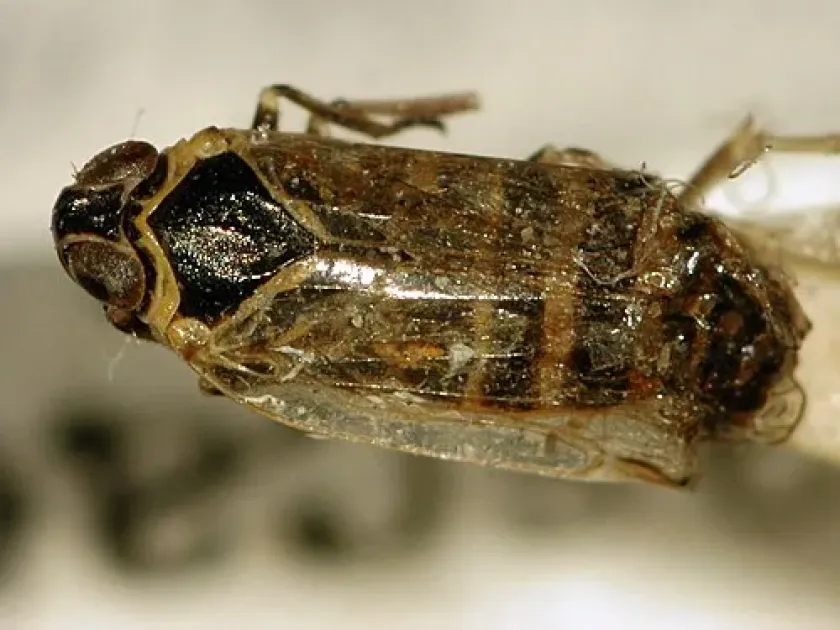
Hyalesthes mlokosiewiczi is a species of planthopper belonging to the order Hemiptera and the family Cixiidae. It is known for its small size and cryptic behavior.
Adults are characterized by transparent wings with distinct venation patterns. Their bodies are typically dark and covered in a fine waxy secretion.
The nymphs live underground, primarily residing within the root zones of their host plants, which makes them difficult to monitor.
This species is highly adapted to specific ecological niches, favoring environments where soil moisture remains relatively consistent.
Identification often requires careful inspection of the root collar and lower stem area, as adults are highly mobile and easily disturbed.
What it damages
The pest primarily targets a variety of crops, including solanaceous plants like potatoes, tomatoes, and peppers, causing significant agricultural damage.
It also inhabits vineyards and serves as a major vector for phytoplasmas, particularly the pathogen responsible for stolbur disease.
Feeding by nymphs and adults drains plant sap, causing general weakness and reduced physiological vigor of the affected crops.
The transmission of phytoplasmas leads to systemic infections, causing severe growth stunting and tissue malformation.
Economic losses are severe, as infected plants become unproductive and often fail to produce marketable fruits or tubers.
When it appears
The biological cycle of this pest is strictly dependent on soil temperature, which influences nymph development and emergence.
Adult emergence typically occurs during the summer months, aligning with the peak growth season of the host plants.
Eggs are deposited in the soil or on the lower parts of the plant stems, initiating the lifecycle of the next generation.
The species usually completes one generation per year, though weather fluctuations can shift the timing of adult activity.
Nymphs spend the winter in the soil, exhibiting high cold tolerance and emerging once the ground warms sufficiently in the spring.
Signs of infestation
Common symptoms include leaf chlorosis, followed by the yellowing or reddening of the leaf margins as the infection progresses.
Leaves often exhibit upward curling, thickening, and a leathery texture, which are diagnostic indicators of phytoplasma transmission.
Internode shortening leads to a bushy appearance at the top of the plant, commonly referred to as the "witches' broom" effect.
Infected plants show stunted growth and premature wilting, even when soil moisture levels are adequate for development.
Flower abortion and the malformation of fruits are frequent outcomes in crops like tomatoes or eggplants upon heavy infestation.
Control measures
Managing this pest requires a multifaceted approach, focusing on breaking the lifecycle of the insect within the field.
Effective weed control is critical, as host weeds act as reservoirs for both the insect and the phytoplasma pathogen.
Systemic insecticides are recommended for application during periods of high adult activity to prevent the transmission of diseases.
Spatial isolation of new plantations from old or infected sites helps limit the migration of the planthoppers.
- Utilizing clean, certified planting material.
- Monitoring adult populations with yellow sticky traps.
- Deep tillage to disrupt the soil environment for nymphs.
Taxonomy
- Latin name
- Hyalesthes mlokosiewiczi
- Order
- Hemiptera (bugs, aphids, leafhoppers)
- Family
- Cixiidae
- EPPO code
- HYAEML
Discussion
No discussions yet — be the first.