
Hippotion
Hippotion
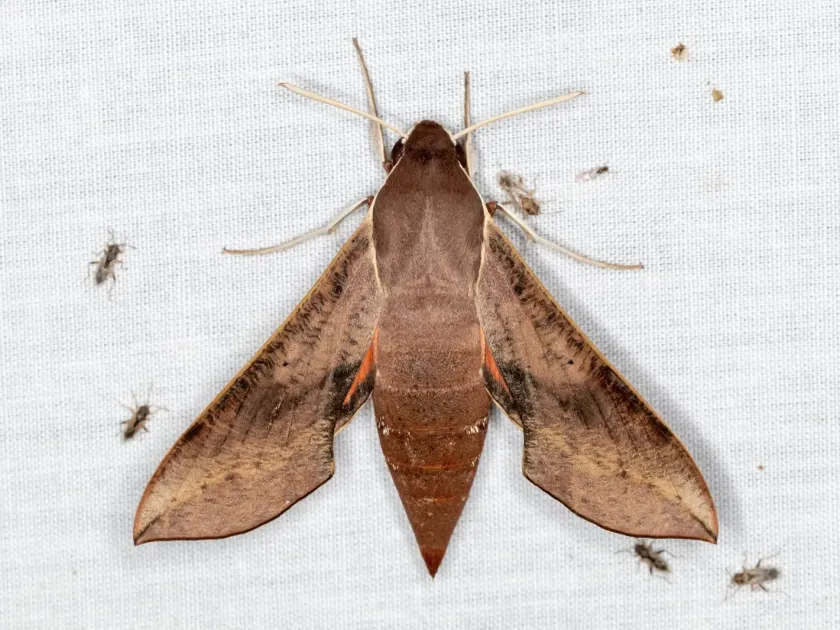
Description
How to identify
Hippotion is a genus of moths belonging to the family Sphingidae, commonly known as hawk moths or sphinx moths. These insects are distinguished by their streamlined bodies and long, narrow wings, which allow for rapid, sustained flight similar to that of hummingbirds.
The larvae, or caterpillars, of this genus are notable for their size and the presence of a distinct caudal horn at the posterior end of the abdomen. This feature is a classic characteristic of the hawk moth family and serves as a primary identification point for gardeners and farmers.
The life cycle involves complete metamorphosis, progressing through the stages of egg, larva, pupa, and adult. They typically pupate in the soil or within a cocoon constructed among plant debris, which serves as a protective layer during the wintering phase.
Depending on the species, Hippotion larvae can vary in color, often exhibiting shades of green, brown, or mottled patterns that provide excellent camouflage against the stems and foliage of their host plants.
Adult moths are primarily nocturnal or crepuscular, emerging to feed on nectar. While adults are harmless to vegetation, the larval stage is highly specialized for intense consumption of plant tissue to support their rapid growth.
What it damages
The caterpillars of Hippotion species are polyphagous, meaning they feed on a wide range of host plants. Their diet includes various crops such as grapevines, sweet potatoes, and several ornamental garden species, making them a concern for both commercial growers and hobbyist gardeners.
The larvae possess strong mandibles capable of consuming large amounts of foliage. During their peak growth stages, a small population of caterpillars can cause significant defoliation, removing entire leaves and reducing the plant's capacity for photosynthesis.
On vineyards, damage can extend beyond leaves; caterpillars may occasionally feed on young clusters or tender buds, which can directly affect yield quality and reduce the overall vigor of the grapevine.
Heavy infestations lead to stunted growth and increased susceptibility to secondary stressors, such as pathogens or drought. The loss of leaf area forces the plant to divert energy reserves, weakening its long-term health and fruit production capabilities.
While isolated caterpillars may cause minimal impact, mass outbreaks of these moths can lead to severe damage in localized areas, necessitating swift intervention to protect the integrity of the affected plants.
Signs of infestation
The most reliable sign of a Hippotion infestation is the accumulation of frass (caterpillar droppings) on the leaves or the ground beneath the plant. The size of these pellets often corresponds to the instar of the caterpillar feeding in the canopy above.
Visual evidence of feeding includes notched or entirely absent leaf margins. The caterpillars often start from the edge of the leaf and work their way inward, leaving behind a clear trail of consumption across the foliage.
Finding the larvae themselves can be challenging due to their cryptic coloration and nocturnal habits. During the day, they often remain motionless on the underside of leaves or along the midribs, perfectly mimicking the plant structure.
Gardeners may observe wilting or drooping of young shoots, which can indicate that the caterpillar has damaged the vascular tissues or the apical meristem of the plant, disrupting nutrient transport.
Night inspections with a flashlight can reveal the presence of caterpillars actively feeding on the plants, allowing for targeted removal before the damage reaches a critical threshold for the plant's survival.
Control measures
Integrated Pest Management (IPM) for Hippotion starts with cultural practices. Keeping garden areas free of excess weeds and debris reduces the available sites for pupation and makes the environment less hospitable for the moth life cycle.
Hand-picking is the most effective and eco-friendly method for small gardens. Removing larvae in the early morning or late evening prevents further damage and keeps the population under control without the need for chemical intervention.
Biological control agents, such as Bacillus thuringiensis (Bt), are highly effective against Hippotion larvae. These sprays are selective and target the caterpillars while preserving beneficial insects and predators.
Chemical control should be viewed as a last resort. If insecticides are necessary, they should be applied during the early larval stages when the caterpillars are most vulnerable, ensuring thorough coverage of all foliage surfaces.
- Monitor for eggs on the undersides of leaves during the flying season.
- Install light traps to capture and monitor adult moth activity.
- Encourage the presence of natural predators like parasitic wasps and birds.
- Rotate crops to break the cycle of infestation in high-risk areas.
Taxonomy
- Latin name
- Hippotion
- Order
- Lepidoptera (butterflies)
- Family
- Sphingidae
- EPPO code
- HIPTSP
Discussion
No discussions yet — be the first.