
Gluphisia septentrionis
Gluphisia septentrionis
Description
How to identify
Gluphisia septentrionis, commonly known as the common gluphisia, is a moth species belonging to the Notodontidae family. These insects are widely distributed and can be found in various environments where their host plants grow.
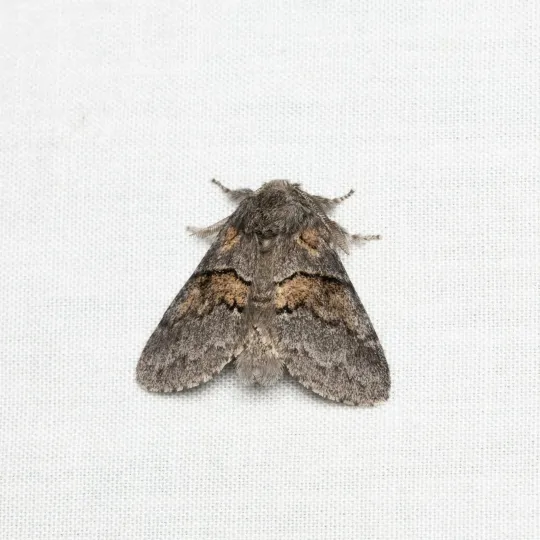
The adult moth features a wingspan of approximately 30 to 40 mm, with grayish-brown forewings marked by darker, wavy transverse lines that provide excellent camouflage against tree bark.
Larvae, or caterpillars, typically display a green to yellowish-green body color, often adorned with subtle longitudinal stripes. They possess a soft, cylindrical body structure characteristic of many species within the Notodontidae family.
The pupal stage is protected by a silken cocoon, which the larvae construct in concealed locations, such as folded leaves or crevices in the bark, to survive during their metamorphosis.
Recognizing the adult moth in the field requires patience, as they are nocturnal and remain well-hidden during the daylight hours, blending perfectly into their natural forest surroundings.
What it damages
The primary hosts for Gluphisia septentrionis are trees belonging to the genus Populus, including various species of poplars and the common aspen.
Larvae feed voraciously on the foliage of these host trees. Early instars typically cause minor leaf skeletonization, while mature caterpillars consume larger portions of the leaf blade, often leaving only the main veins intact.
Significant infestations can lead to heavy defoliation of entire stands, which places considerable physiological stress on the host trees, especially during periods of drought or heat.
Repeated annual defoliation can weaken tree vitality, leading to reduced radial growth and potentially making the trees more susceptible to secondary infestations by wood-boring insects or fungal pathogens.
In ornamental landscaping and urban forestry, the aesthetic damage caused by these caterpillars can be significant, leading to calls for management interventions to maintain tree health and visual appeal.
When it appears
The flight period for adult Gluphisia septentrionis moths typically begins in late spring, depending on local temperature conditions, as warmer nights trigger their emergence.
The larvae are active and feed throughout the summer months. In warmer regions with longer growing seasons, the species may produce multiple generations, leading to overlapping life stages throughout the summer.
Pupation generally occurs during the autumn, with the insects entering a dormant state within their cocoons to withstand the harsh winter conditions until the following spring.
Monitoring for the presence of larvae is most effective during the peak growth season of the host trees, which aligns with the period of high nutritional demand for the caterpillars.
Light traps are often utilized by researchers and foresters to track the seasonal activity of adult moths, providing critical data for timing potential pest management activities.
Signs of infestation
The presence of Gluphisia septentrionis is often first indicated by the appearance of ragged, chewed foliage within the lower or mid-level canopy of poplars and aspens.
Direct observation of the larvae on the undersides of leaves is a definitive sign of infestation, though their cryptic coloration often requires close and careful inspection.
Frass (caterpillar droppings) accumulating on the upper surfaces of leaves below feeding sites or on the ground beneath the tree canopy serves as an easily visible indicator of high larval activity.
Folded or webbed leaves indicate areas where pupation is occurring or where larvae have sought refuge, which can be easily identified during systematic crown inspections.
Sudden thinning of the foliage or premature leaf drop during mid-summer, when environmental conditions are otherwise favorable, often signals an ongoing pest population outbreak.
Control measures
Biological control methods, such as the application of Bacillus thuringiensis (Bt), are highly effective and environmentally friendly, targeting larvae without harming beneficial predators.
When infestation levels exceed acceptable economic or aesthetic thresholds, localized chemical treatments using registered insecticides may be necessary to protect high-value trees.
- Regular monitoring and scouting to detect early outbreaks.
- Promoting a healthy ecosystem that supports avian predators, which consume large numbers of larvae.
- Sanitation practices, such as removing heavily infested debris, to break the pest's life cycle.
Maintaining optimal tree vigor through proper irrigation and soil management ensures that trees can better withstand and recover from light to moderate caterpillar feeding.
Integrated Pest Management (IPM) strategies, which combine cultural, biological, and chemical methods, provide the most sustainable long-term approach to managing this forest pest.
Taxonomy
- Latin name
- Gluphisia septentrionis
- Order
- Lepidoptera (butterflies)
- Family
- Notodontidae
- EPPO code
- GLUPSE
Discussion
No discussions yet — be the first.