
Gluphisia
Gluphisia
Description
How to identify
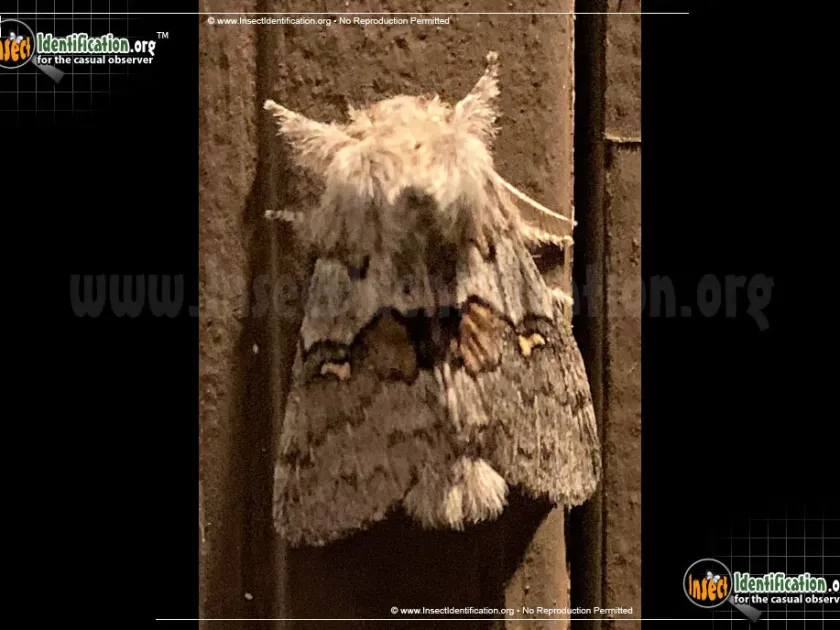
Gluphisia, specifically the species Gluphisia crenata, belongs to the Notodontidae family within the order Lepidoptera. They are medium-sized moths often found in temperate forest zones.
The adults are characterized by cryptically colored wings, which help them remain camouflaged while resting on tree trunks during the daytime.
These insects undergo a complete metamorphosis, passing through four distinct stages: egg, larva (caterpillar), pupa, and adult moth.
Larvae possess specialized mouthparts for feeding on leaves and often have markings that blend in with the leaf veins and texture of their host plants.
Identification is primarily achieved through observing larval morphology and the specific wing patterns of adult moths attracted to light traps.
What it damages
The primary host plants for Gluphisia are species in the Salicaceae family, with a strong preference for poplar (Populus) and willow (Salix) trees.
The larvae are known for their defoliating activity, which can result in significant foliage loss during outbreak years in forests and nurseries.
Early instar larvae skeletonize the leaves, consuming the green tissue while leaving the tougher leaf veins intact, creating a mesh-like appearance.
Late instar larvae consume the entire leaf blade, potentially leading to total defoliation of branches or entire small trees if the population density is high.
Repeated defoliation over several consecutive years significantly stresses the trees, reducing their growth rates and making them susceptible to secondary infections.
When it appears
The lifecycle of Gluphisia typically involves one or two generations per year, depending on the latitude and local climate conditions.
Overwintering occurs at the pupal stage within cocoons, which are usually hidden in leaf litter or crevices in the bark near the base of the tree.
Adult moths emerge in late spring or early summer, following the warming trends, and begin the mating process immediately.
Larval activity peaks during the mid-summer months, coinciding with the rapid growth period of host trees when the foliage is most tender.
Pupation takes place mid-summer, allowing for either a second generation in warmer regions or the beginning of the overwintering dormancy phase.
Signs of infestation
Initial signs of infestation include the appearance of tiny holes and skeletonized patches on the leaves of poplar or willow trees.
The presence of larvae on the underside of leaves or actively feeding on the foliage is the most reliable sign of a current infestation.
Accumulation of larval frass (droppings) on the ground or on lower vegetation beneath the tree canopy indicates active feeding by the caterpillar population.
A thinning canopy is a visible symptom of heavy feeding, where large portions of the leaf surface area have been consumed by the larvae.
In some cases, silk threads may be visible on the branches, which caterpillars use to anchor themselves or to travel between different parts of the canopy.
Control measures
Biological control, such as the application of Bacillus thuringiensis, is highly effective against larvae while minimizing impact on non-target species.
For high-value trees, systematic insecticides may be utilized if population monitoring confirms that threshold levels for damage have been exceeded.
Cultural management includes the removal and destruction of leaf litter at the base of trees, which reduces the number of overwintering pupae.
Enhancing habitat for natural predators, such as birds and beneficial predatory insects, helps in maintaining the pest population below damaging levels.
- Monitoring moth flight using light traps or pheromone baits.
- Targeted chemical applications during the early larval development stage.
- Maintenance of tree health to improve natural resistance against defoliation.
Taxonomy
- Latin name
- Gluphisia
- Order
- Lepidoptera (butterflies)
- Family
- Notodontidae
- EPPO code
- GLUPSP
Discussion
No discussions yet — be the first.