
Gegenes pumilio
Gegenes pumilio
Description
How to identify
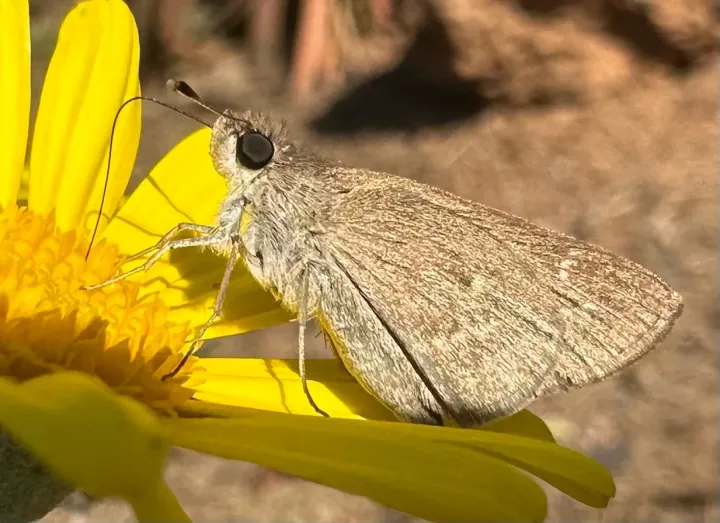
Gegenes pumilio is a small butterfly belonging to the skipper family (Hesperiidae), often overlooked due to its plain appearance.
The adults are characterized by a dark brown or dusky grey wing color, which provides excellent camouflage in grassy habitats.
The wingspan typically ranges from 25 to 30 mm, with a robust body covered in dense hairs, typical for many skipper species.
Larvae are primarily greenish with a darker dorsal line, allowing them to blend seamlessly with the blades of host grasses.
Pupation occurs within a shelter made of rolled or spun leaves, providing the insect with protection against environmental threats and predators.
What it damages
This pest primarily targets various species of grasses, showing a preference for both wild and cultivated cereal crops.
Agricultural crops such as rice, millet, and sorghum are particularly susceptible to larval feeding during the summer months.
The larvae feed on the leaf tissues, which significantly reduces the plant's photosynthetic capacity if the infestation is severe.
The damage is more pronounced in fields where weed management is poor, as weeds act as primary hosts and breeding grounds.
While individual damage may seem minor, heavy infestations can lead to significant economic losses for farmers due to reduced yield quality and quantity.
When it appears
The life cycle of Gegenes pumilio is highly dependent on climate, with peak activity occurring during warm summer periods.
The first generation usually emerges in early summer, with adults laying eggs on the undersides of leaves to ensure a food supply for larvae.
Development from larva to adult is rapid, often completing several generations within a single growing season in favorable conditions.
Overwintering typically occurs in the larval stage or as pupae, buried within leaf litter or at the base of host plants.
Increased temperature and humidity levels during the summer accelerate the development cycle, leading to rapid population growth.
Signs of infestation
Visible signs of infestation include irregular holes and notches eaten into the leaf blades by developing larvae.
Leaves rolled or tied together with silk threads are a primary indicator of larval presence and feeding activity on the plant.
Frass (larval droppings) found on the foliage near the leaf shelters is a clear symptom of active feeding and should trigger immediate inspection.
Heavy infestations may result in yellowing, wilting, and premature drying of the leaves, severely affecting plant vigor.
Frequent sightings of adult butterflies fluttering over crops during daylight hours indicate a high risk of imminent larval infestation.
Control measures
Effective control strategies start with good field sanitation, specifically the removal of wild grasses that serve as alternative hosts.
Deep plowing after the harvest helps disturb the soil, exposing overwintering larvae and pupae to natural enemies and weather extremes.
Regular field scouting is essential to identify the onset of infestation before the population reaches economic threshold levels.
When necessary, targeted insecticide applications should be used, ensuring they are applied during the most vulnerable life stages of the pest.
- Integrated Pest Management (IPM) practices.
- Biological control using native parasitoids and predators.
- Crop rotation to break the pest's reproductive cycle.
Taxonomy
- Latin name
- Gegenes pumilio
- Order
- Lepidoptera (butterflies)
- Family
- Hesperiidae
- EPPO code
- GEGEPU
Discussion
No discussions yet — be the first.