
Gegenes
Gegenes
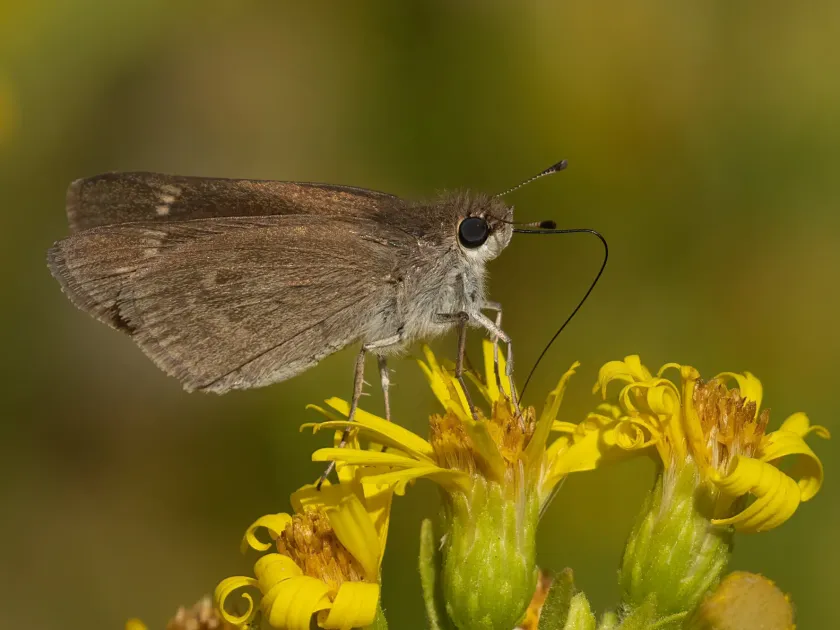
Description
How to identify
Gegenes is a genus of butterflies belonging to the skipper family (Hesperiidae). These insects are known for their robust bodies, broad heads, and dark brown or grayish wings, which provide camouflage in their natural habitat.
Adult butterflies exhibit a rapid, erratic flight pattern, making them elusive targets for field scouts. The sexual dimorphism in this genus is observed through differences in wing markings and body size.
Larvae are typically spindle-shaped and possess a well-defined head capsule. They are known for their secretive nature, often constructing shelters by folding or rolling the leaves of host plants.
The life cycle undergoes complete metamorphosis, including egg, larva, pupa, and adult stages. The duration of each stage is heavily influenced by regional climatic patterns and temperature conditions.
These insects are primarily associated with arid or grassland ecosystems, where they thrive by utilizing various grasses as primary food sources for their offspring.
What it damages
Gegenes mainly infests members of the Poaceae family. Both wild grasses and commercially important cereal crops are vulnerable to infestation, presenting a potential challenge for farmers.
The larvae are responsible for the damage, as they feed voraciously on leaf tissue. By consuming the leaf blades, they reduce the plant's surface area for photosynthesis, leading to stunted growth.
When populations reach outbreak levels, the physical loss of green leaf area can be significant. This reduces the overall vitality of the crop and may lead to reduced yields in both biomass and seed production.
Feeding wounds created by the larvae serve as entry points for secondary pathogens, such as fungi or bacteria, which can cause further degradation of the plant's health.
In high-intensity agricultural systems, the presence of this pest requires vigilant monitoring to prevent significant economic losses during the peak growing season.
Signs of infestation
The most common sign of infestation is the presence of rolled or folded leaves held together by silk. Inside these shelters, larvae reside and feed, protected from external predators.
The presence of larval excrement, appearing as small granular frass near the rolled leaves, provides clear evidence of active feeding by the caterpillars.
During the day, particularly in warm weather, adult butterflies can be seen fluttering between crops. Their presence is a strong indicator of an active population cycle in the field.
Yellowing, necrosis, or premature drying of leaf edges is a secondary symptom caused by the loss of plant tissue and the resulting physiological stress on the host plant.
Field inspectors should look for uneven crop canopy development, as larval feeding centers often manifest as localized patches of slower-growing or damaged vegetation.
Control measures
The first line of defense includes cultural practices such as deep autumn plowing, which disrupts the life cycle by destroying overwintering pupae or larvae buried in the soil.
Sanitation practices, specifically the removal of wild grasses and weed hosts from field margins, are crucial to reducing the primary habitat for the pest population.
Chemical control involving selective insecticides should be deployed only when economic thresholds are met. It is essential to apply treatments at times that minimize impact on beneficial insects.
Biological control agents, such as microbial sprays containing Bacillus thuringiensis, are effective against early-instar larvae and fit well into integrated pest management (IPM) programs.
- Implement pheromone monitoring to track flight activity and population density.
- Practice crop rotation to prevent the buildup of pest populations.
- Maintain optimal soil fertility to ensure plants have the vigor to withstand light feeding pressure.
Taxonomy
- Latin name
- Gegenes
- Order
- Lepidoptera (butterflies)
- Family
- Hesperiidae
- EPPO code
- GEGESP
Discussion
No discussions yet — be the first.