
Gangara thyrsis
Gangara thyrsis
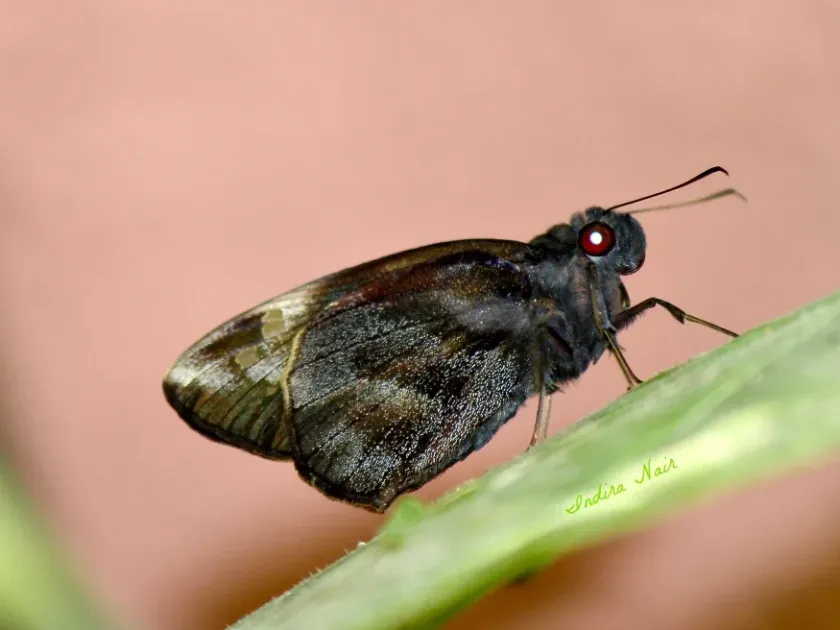
Description
How to identify
Gangara thyrsis is a species of butterfly belonging to the Hesperiidae family, commonly known as the giant palm skipper. Adult butterflies feature a wingspan of 60–70 mm and a dark brown color pattern with semi-transparent spots.
The life cycle encompasses four stages: egg, larva, pupa, and imago. Larvae are known for their pale, wax-coated bodies which help them blend in with the leaf surface.
Taxonomically, this species is classified under the order Lepidoptera. It undergoes complete metamorphosis, which allows it to thrive in tropical and subtropical environments.
Females typically deposit eggs individually on the underside of leaves, providing a sheltered location for the hatching larvae.
As nocturnal and crepuscular insects, the adults are seldom seen during the day, making early detection of the infestation crucial for plant health.
What it damages
The primary hosts for Gangara thyrsis larvae are various palm species, including Cocos nucifera (coconut palm), Elaeis guineensis (oil palm), and Areca catechu.
The pest poses a significant threat to nurseries, where young, tender saplings are highly vulnerable to the feeding activity of the caterpillars.
Larvae consume large sections of the leaf lamina, which significantly impairs the plant's photosynthetic efficiency and overall vigor.
Severe infestations result in the skeletonization of fronds, where only the midrib remains, causing the plant to weaken and become stunted.
Repeated damage over several seasons can compromise the structural integrity of the palm and increase susceptibility to secondary diseases.
Signs of infestation
The most diagnostic sign is the presence of folded leaves, which the caterpillar secures with silk to create a protective retreat.
Accumulated frass (larval droppings) on the leaves or at the base of the palm crown is a clear indicator of active infestation.
Ragged, irregular edges on the leaves are typical visual cues that the caterpillars have been feeding on the plant tissue.
One can often find the larvae or the pupae inside these silk-bound leaf folds upon careful inspection of the palm fronds.
The presence of adult butterflies hovering near the canopy during twilight hours suggests that egg-laying is occurring.
Control measures
Manual removal of larvae and infested leaf segments is the most environmentally friendly approach for small-scale plantings or home gardens.
Biological control using microbial insecticides, such as formulations containing Bacillus thuringiensis, is highly effective against young larvae.
Systemic insecticides should be applied selectively and only when infestation levels exceed the established economic threshold in nurseries.
Cultural practices, such as maintaining good plant hygiene and removing severely affected foliage, help in disrupting the life cycle of the pest.
Encouraging the presence of natural predators, particularly parasitic wasps that prey on the eggs and larvae, supports long-term pest management.
Taxonomy
- Latin name
- Gangara thyrsis
- Order
- Lepidoptera (butterflies)
- Family
- Hesperiidae
- EPPO code
- GANGTH
Discussion
No discussions yet — be the first.