
Northern crayfish
Faxonius virilis
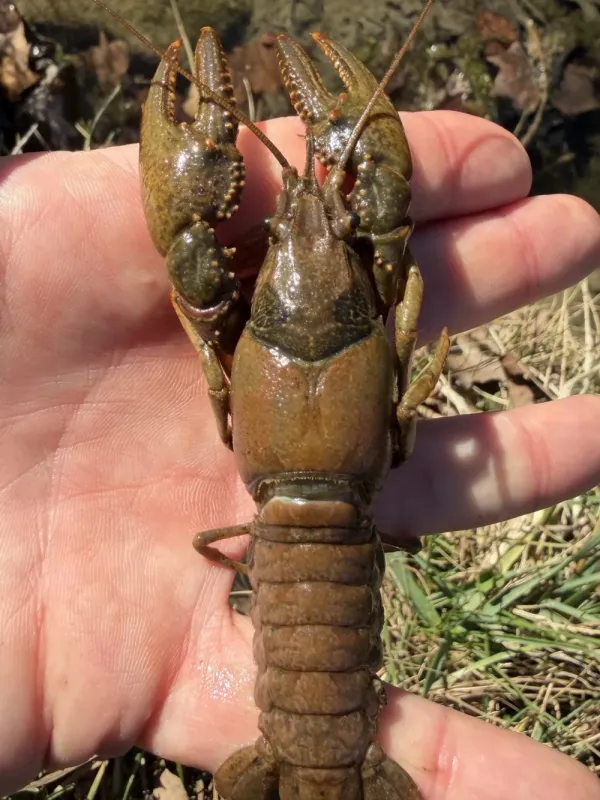
Description
How to identify
The northern crayfish (Faxonius virilis), also known as the virile crayfish, belongs to the Cambaridae family. It is a highly aggressive and adaptable crustacean species.
It can be identified by its robust claws, which often feature bluish or green tones, and distinct light spots on the carapace. Adults typically reach 12–15 cm in length.
This species is highly invasive and possesses the ability to rapidly colonize diverse freshwater environments, including rivers, lakes, and man-made irrigation systems.
They are primarily nocturnal animals, spending their daytime hiding in burrows or beneath submerged debris, which makes detection during daylight hours difficult.
The life cycle involves an annual reproductive cycle where females carry eggs until spring. This allows the species to propagate rapidly and establish dominance over local fauna.
What it damages
In agricultural settings, the northern crayfish is a notorious pest for rice cultivation. They physically cut young rice shoots, causing significant stand reduction.
Their burrowing behavior poses a major threat to irrigation infrastructure. They excavate deep tunnels in dams, levees, and banks, leading to water loss and structural failure.
Such activity necessitates constant repair of irrigation channels and water containment structures, resulting in increased maintenance costs for farmers.
The species also impacts aquatic biodiversity by outcompeting native crayfish and potentially introducing parasites that affect other water-dwelling organisms.
High population densities can lead to substantial crop loss, turning an area from productive to heavily degraded due to constant flooding and draining issues caused by the crayfish.
When it appears
Activity begins in early spring as water temperatures rise, prompting the crayfish to emerge from their winter burrows to begin foraging.
The period of maximum crop damage occurs during the early growth stages of rice, when young plants are highly accessible and vulnerable to cutting.
Summer is the peak time for burrowing activities, coinciding with the period when consistent water levels in rice paddies are critical for crop health.
During the autumn months, migration increases as individuals move through the canal systems, leading to the spread of the population across larger areas.
Winter dormancy occurs in deeper water or deeper within their tunnels, where the crayfish wait out the cold period with a slowed metabolic rate.
Signs of infestation
A primary indicator of infestation is the presence of floating cut rice shoots on the water surface, which demonstrates active foraging by the crayfish.
Visual observation of numerous holes in earthen dams and banks, coupled with unexplained water leaks, confirms the presence of an active burrowing population.
Freshly excavated silt at the entrance of underwater tunnels is a reliable sign of recent burrowing activity that requires immediate management action.
Monitoring using baited traps placed in irrigation canals during the night is the most effective way to determine the density of the crayfish population.
Rapid drops in paddy water levels, occurring despite intact gates, strongly suggest that subterranean drainage caused by crayfish tunnels is taking place.
Control measures
Intensive trapping using specifically designed crayfish traps is the primary method for reducing populations in irrigation systems.
Mechanical exclusion through the use of geotextiles or stone rip-rap on dams and levees prevents the crayfish from burrowing into critical infrastructure.
Implementing strategic water management, such as periodic drying of paddies, can limit the habitats available for colonization and suppress population growth.
Biological control through the management of natural predators, such as predatory fish, can help balance the system if integrated properly.
A combination of regular trapping and structural maintenance remains the best defense to protect rice production from the northern crayfish.
Taxonomy
- Latin name
- Faxonius virilis
- Family
- Cambaridae
- EPPO code
- ORCOVI
Discussion
No discussions yet — be the first.