
Vine sphinx moth
Eumorpha vitis
Description
How to identify
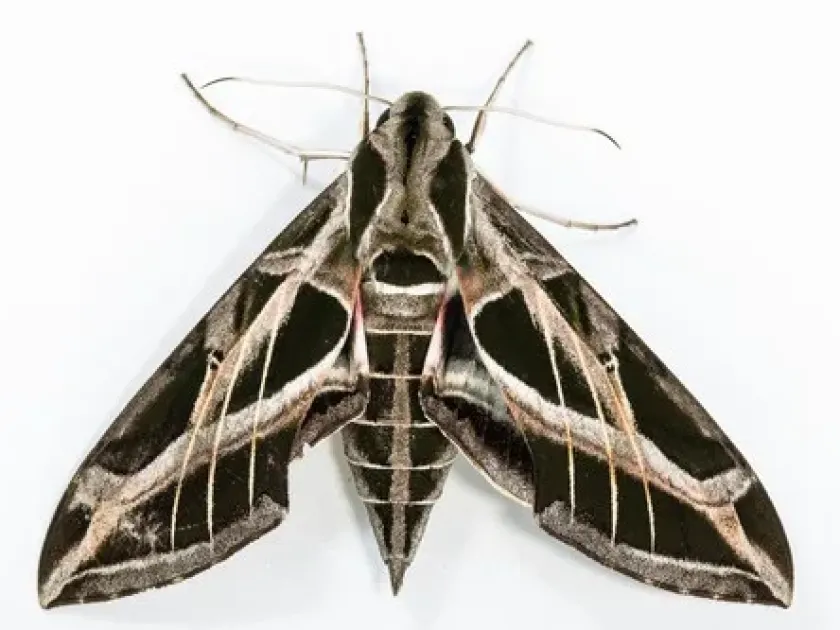
The vine sphinx moth (Eumorpha vitis) is a large, distinctive moth species belonging to the family Sphingidae. Adult moths possess a wide wingspan, typically ranging between 10 and 12 cm, with wings patterned in various shades of olive, brown, and sometimes pinkish hues.
Larvae, or caterpillars, are known for their impressive size and the conspicuous horn located on the posterior end of their body. As they mature, their color shifts, allowing them to blend into the vine's foliage and stems effectively.
The pupae are typically found buried in the soil underneath host plants, where they overwinter. This makes soil maintenance an important part of understanding their lifecycle within the vineyard environment.
Adult moths are primarily nocturnal or crepuscular, often hovering near flowers to feed on nectar, showing flight patterns similar to hummingbirds.
Understanding that these insects undergo complete metamorphosis is crucial, as monitoring for different life stages is required to prevent widespread damage throughout the growing season.
What it damages
The primary hosts for the vine sphinx moth larvae are plants in the Vitaceae family, specifically cultivated grapevines (Vitis vinifera). They are voracious feeders, capable of stripping leaves rapidly.
Small larvae feed on individual leaves, creating irregular holes. However, as the caterpillars grow, their consumption rate increases significantly, leading to near-total defoliation of shoots if left unchecked.
Heavy defoliation negatively impacts the plant's photosynthetic capacity, resulting in poor fruit quality, reduced sugar accumulation in berries, and weaker vine growth for the following season.
In cases of severe infestation, the larvae may consume young, tender shoots and developing inflorescences, causing direct loss of potential harvest volume.
The wounds left by the caterpillars on the vines also serve as entry points for secondary pathogens, such as fungal or bacterial infections, which can further jeopardize the health of the vine.
Signs of infestation
The most apparent sign of an infestation is the rapid disappearance of leaf blades. Because the larvae are large, their feeding activity causes visible damage within a very short timeframe.
The presence of large, dark-colored frass (droppings) on the ground or on the leaves beneath the feeding area is a classic indicator that a vine sphinx caterpillar is active in the canopy.
Careful inspection of the undersides of leaves, especially on the tender growth tips of the vines, will often reveal the eggs or the larvae resting during the daylight hours.
The specific pattern of leaf consumption, often starting from the edges and progressing inward, is characteristic of sphinx moth larvae.
Increased activity of adult moths around the vineyard during dusk can also serve as an early warning that egg-laying is occurring, signaling the need for closer monitoring.
Control measures
For small-scale growers, hand-picking the caterpillars is a highly effective and eco-friendly control method. It is most successful when done in the evening or early morning.
Biological control, particularly the use of products based on Bacillus thuringiensis, is highly effective against younger larval stages and is safe for beneficial insects.
In large vineyards, selective chemical insecticides may be necessary during peak outbreak years, but these should be used in compliance with local agricultural regulations and pre-harvest intervals.
Cultural practices, such as tilling the soil under the vines during the autumn or spring, can destroy pupae overwintering in the soil, effectively reducing the next generation's population.
- Monitor vineyards regularly for signs of leaf damage.
- Maintain clean rows by removing weeds that may harbor other pests.
- Encourage natural predators like birds and parasitic wasps.
- Use targeted, integrated pest management (IPM) strategies to minimize chemical usage.
Taxonomy
- Latin name
- Eumorpha vitis
- Order
- Lepidoptera (butterflies)
- Family
- Sphingidae
- EPPO code
- POLUVI
Discussion
No discussions yet — be the first.