
Eudia
Eudia
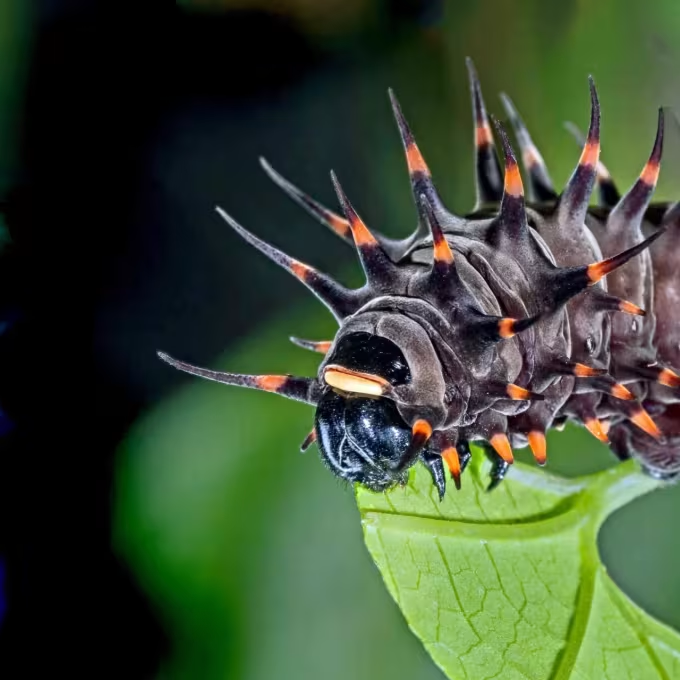
Description
How to identify
Eudia is a genus of moths belonging to the Saturniidae family, which are known for their impressive size and distinct wing patterns.
The adults are recognizable by their characteristic eye-like markings on their wings, which serve as a defense mechanism against potential predators.
The larval stage, or caterpillar, undergoes several developmental phases, often changing color and appearance to blend in with its surrounding foliage.
Belonging to the order Lepidoptera, Eudia follows a complete metamorphosis life cycle, consisting of egg, larva, pupa, and the adult moth stage.
While the adults are primarily focused on reproduction, the larvae are dedicated to feeding, making them the stage that poses the most risk to vegetation.
What it damages
The primary hosts for Eudia larvae include a variety of deciduous trees, including fruit-bearing species found in both orchards and wild settings.
Larvae feed extensively on leaf blades, which can lead to significant defoliation if a colony is allowed to feed unchecked on a single tree.
Extensive damage to the foliage reduces the tree's photosynthetic capability, which can hinder growth and fruit production in agricultural settings.
Torn and damaged leaf edges can leave trees more vulnerable to environmental stress and secondary pathogen infections that exploit wounded plant tissue.
Young trees are especially at risk, as the loss of a large portion of their canopy can cause stunted development and structural imbalance.
When it appears
The flight activity of adult Eudia moths usually occurs during the spring or early summer, depending on the specific climate zone and environmental cues.
Larval emergence is closely synchronized with the flush of new tree growth, ensuring that the offspring have immediate access to nutritional resources.
Feeding activity is most intense during the warmer months, as the rapid growth of the larvae requires consistent consumption of plant matter.
Pupation typically takes place as the season cools, with the insect entering a period of diapause until conditions become favorable again in the following cycle.
Understanding these seasonal patterns is essential for growers to implement monitoring programs and apply control measures before damage becomes severe.
Signs of infestation
One of the most obvious signs of an infestation is the presence of large frass pellets on the ground beneath the affected tree canopy.
Visible notches or consumed sections of leaves, along with chewed edges, indicate that larvae are currently feeding on the foliage.
Silken threads or webs connecting adjacent leaves often serve as shelters or resting places for the larvae during periods when they are not actively feeding.
During the dormant season, dense cocoons may be found attached to twigs or branches, serving as a clear indicator of a previous infestation in the area.
A thinning canopy or visible patches of missing foliage during the peak growing season are strong indicators that a closer inspection of the tree is required.
Control measures
Manual removal of larvae and cocoons is a highly effective control measure, particularly suitable for smaller trees in residential gardens or small orchards.
Biological control using microbial insecticides, such as those containing Bacillus thuringiensis, provides targeted protection while sparing beneficial insect populations.
When infestation levels exceed acceptable thresholds, the application of selective insecticides can prevent widespread damage to the canopy.
Maintaining high tree vitality through balanced fertilization and proper pruning can increase natural resilience against caterpillar feeding and colonization.
Monitoring for adult flight using pheromone traps can provide early warning, allowing growers to address potential problems before larvae appear in large numbers.
Taxonomy
- Latin name
- Eudia
- Order
- Lepidoptera (butterflies)
- Family
- Saturniidae
- EPPO code
- EUDISP
Discussion
No discussions yet — be the first.