
Columbine duskywing
Erynnis lucilius
Description
How to identify
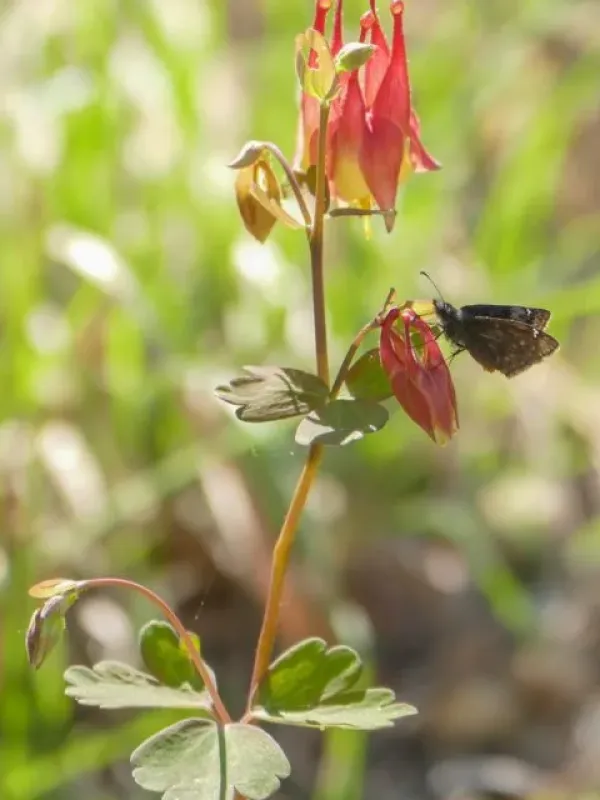
The Columbine duskywing (Erynnis lucilius) is a small butterfly belonging to the skipper family (Hesperiidae). It is specialized for feeding on specific plants and is frequently observed in gardens where columbines are cultivated.
Adult butterflies are characterized by their modest dark coloring with faint patterns on their wings, allowing them to blend perfectly into the soil and foliage. Their small size makes them difficult to spot during flight.
The larvae, or caterpillars, of this species are generally green, making them nearly invisible against the foliage of their host plants. A key identifier is their dark head, which often becomes visible when the caterpillar is disturbed.
As a member of the order Lepidoptera, this pest undergoes a complete transformation cycle. Its biology is closely linked to the growing season of the host plant, making it a potential threat throughout the vegetation period.
Understanding the life stages of this insect helps gardeners and agronomists plan protection measures more effectively, targeting the specific periods when the pest is most vulnerable.
What it damages
The primary host plant for the Columbine duskywing is the columbine (Aquilegia). The larvae feed on the leaf tissues, which significantly diminishes the aesthetic value of the plants and causes them to weaken over time.
Young caterpillars eat irregular holes in the leaf blades, often starting from the edges. This disruption to the leaf structure impairs photosynthesis, depriving the plant of the energy needed for healthy growth and flowering.
Caterpillars create shelters by folding leaves and fastening them with silk. These zones become centers of localized necrosis, where the plant tissue dies, leading to brown, unsightly patches on the foliage.
Severe infestations can lead to heavy defoliation, leaving the columbine plants highly susceptible to secondary infections, such as powdery mildew or various rot-causing fungi.
For ornamental growers, the presence of this pest necessitates immediate intervention to prevent the spread of damage and ensure the longevity of the plant collection.
When it appears
The seasonal activity of the Columbine duskywing begins in spring, once temperatures rise sufficiently for the overwintered adults to emerge. They immediately begin searching for suitable host plants to lay their eggs.
The first generation usually appears in late spring. At this time, the young leaves of the columbine are particularly nutritious and attractive, which facilitates rapid population growth.
Throughout the summer, subsequent generations develop. Due to the extended breeding period, a single garden may host multiple life stages simultaneously, ranging from caterpillars of different ages to pupae and adults.
As autumn approaches, insect activity gradually declines. The final generation prepares for hibernation, seeking shelter among dry leaves or in soil crevices near the base of the host plants.
Monitoring the garden throughout the summer is essential to detect the onset of new breeding cycles and implement control measures before the population reaches critical levels.
Signs of infestation
The most prominent sign of infestation is the presence of folded or "glued" leaves. Unfolding these leaves usually reveals a caterpillar or its droppings within the silken structure it has built.
Ragged, irregular holes along the leaf edges are characteristic of skipper caterpillar feeding. These signs are easy to spot when inspecting columbine bushes under natural morning light.
Stunted plant growth and deformed shoots can also indicate pest activity. The plant may appear wilted or stressed, even when irrigation and soil nutrient levels are adequate.
The sight of adult butterflies fluttering rapidly over flowerbeds is a warning sign that egg-laying has begun. Careful inspection of the undersides of leaves may reveal small, pale eggs.
Left unchecked, the infestation becomes highly visible as affected plant parts change color to pale yellow or brown, indicating large-scale damage to the foliage surface.
Control measures
Mechanical removal of folded leaves containing caterpillars is the safest and most effective method for small garden areas, preventing the need for chemical intervention.
Biological control, such as the application of products containing Bacillus thuringiensis, offers an effective and eco-friendly alternative, targeting only the caterpillars while leaving beneficial insects unharmed.
Chemical control should be reserved for cases of severe infestation where the survival of the plants is at risk. It is crucial to select products that are selective and safe for bees and other pollinators.
Cultural practices, including regular weeding and thorough removal of plant debris in the autumn, reduce the number of overwintering sites for pupae, thereby limiting the population in the following year.
Promoting biodiversity in the garden helps attract natural predators, such as predatory beetles, spiders, and parasitic wasps, which can significantly regulate the number of caterpillars naturally.
Taxonomy
- Latin name
- Erynnis lucilius
- Order
- Lepidoptera (butterflies)
- Family
- Hesperiidae
- EPPO code
- EYNNLU
Discussion
No discussions yet — be the first.