
Erynnis skipper
Erynnis
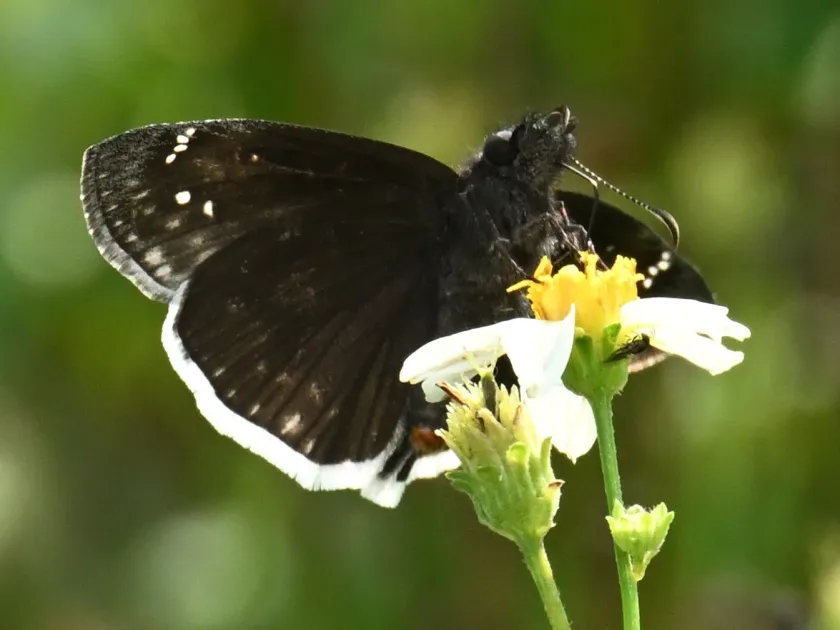
Description
How to identify
The Erynnis skipper belongs to the Hesperiidae family within the order Lepidoptera. Adults are characterized by a robust body and a wide head, which distinguishes them from many other butterfly species.
With a wingspan typically ranging from 30 to 40 mm, these moths often exhibit dark brown or greyish wing patterns with small white spots. This camouflage makes them difficult to spot on tree bark and foliage.
Larvae (caterpillars) are cylindrical with a prominent head capsule. They are usually light green, allowing them to remain well-hidden among the leaves of their host plants.
The development of the caterpillar involves several molting stages, with the size increasing significantly until it is ready to pupate.
Pupae are generally protected by silken cocoons spun inside rolled leaves or hidden in debris near the base of the host plant, ensuring survival through harsh conditions.
What it damages
The primary damage is caused by the larval stage, which feeds on the leaves of various trees, shrubs, and legume plants. Caterpillars consume significant portions of the foliage.
Heavy infestations can lead to skeletonized leaves, where only the tough veins remain, significantly hindering the plant's ability to perform photosynthesis.
For young plants and saplings, intensive feeding can result in severe growth retardation or even the death of the plant if the defoliation is extensive.
While mature trees are generally more resilient, frequent attacks can weaken them, making them more susceptible to subsequent disease or other pest attacks.
Ornamental gardens often suffer aesthetic damage, as the presence of rolled leaves and missing foliage detracts from the plant's appearance.
When it appears
The flight period for adult Erynnis skippers typically begins in late spring, when temperatures are warm enough to support mating and oviposition.
Eggs are laid on the underside of host leaves, and the larvae emerge shortly thereafter to begin their feeding cycle during the active growth period of the plant.
The peak activity of the larvae usually coincides with mid-summer, when foliage production is at its highest, providing ample food resources.
Depending on the latitude, these insects may complete one or two generations per year, prolonging the threat period for affected plants.
As autumn approaches and temperatures drop, the larvae pupate and enter a period of dormancy, overwintering in protected sites until the following spring.
Signs of infestation
The most reliable indicator of an Erynnis skipper infestation is the presence of leaves that have been rolled and tied together with silken threads.
- Missing leaf margins or irregular holes within the leaf tissue.
- Frass (caterpillar droppings) accumulating on leaves below the feeding site.
- Leaves folded over and secured with silk webbing.
- Distorted or stunted young shoots near the areas of active feeding.
- A gradual thinning of the plant's canopy during the growing season.
Control measures
Integrated Pest Management (IPM) is recommended for controlling Erynnis skipper populations, focusing on non-chemical methods first.
Manual removal of rolled leaves containing larvae is often sufficient for small-scale infestations in home gardens.
Biological control agents, such as Bacillus thuringiensis sprays, are highly effective against caterpillars while remaining safe for most beneficial pollinators.
If chemical control is necessary, select selective insecticides and apply them only when monitoring confirms the pest population exceeds the economic threshold.
Good sanitation practices, such as clearing debris and leaf litter in the fall, significantly reduce the number of overwintering pupae and prevent outbreaks the following year.
Taxonomy
- Latin name
- Erynnis
- Order
- Lepidoptera (butterflies)
- Family
- Hesperiidae
- EPPO code
- EYNNSP
Discussion
No discussions yet — be the first.