
Erinnyis
Erinnyis
Description
How to identify
The genus Erinnyis belongs to the family Sphingidae, commonly known as hawk moths or sphinx moths. These insects are characterized by their robust, spindle-shaped bodies and long, narrow, powerful wings.
Adult moths are strong fliers, usually active at dusk and dawn, which allows them to migrate over significant distances to find optimal feeding and breeding sites.
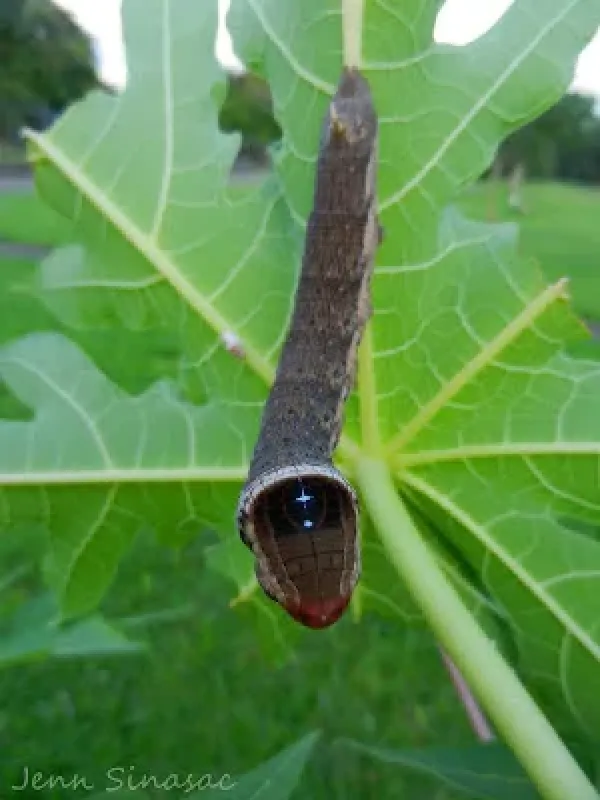
The larvae, or caterpillars, often possess distinctive markings and are known for having a horn-like protrusion on the posterior end of their body.
The lifecycle consists of four developmental stages: egg, larva, pupa, and adult. The duration of each stage is heavily influenced by ambient temperature and host plant availability.
Due to their evolutionary adaptations, these moths can be found in various tropical and subtropical climates, where they often exhibit multiple generations per year.
What it damages
Erinnyis larvae are known to cause significant damage to plants within the Solanaceae family, including potato, tomato, and tobacco crops.
In various regions, these pests also affect a range of other tropical crops, including species used for food production and ornamental purposes.
The larvae feed voraciously on foliage, often consuming entire leaves and leaving behind only the primary veins, which leads to skeletonized stems.
Severe infestations can result in total defoliation of plants, causing a drastic reduction in the photosynthetic capacity and leading to lower crop yields.
When young plants are attacked, the damage to the growing tip or primary foliage can lead to stunted growth or the complete death of the crop.
Signs of infestation
The presence of large, irregular holes in leaves and missing foliage segments are primary indicators of Erinnyis caterpillar activity.
Large quantities of frass (caterpillar droppings) accumulating on the ground beneath infested plants are reliable signs of high larval presence.
Observing the underside of leaves for eggs laid in small groups or singly is crucial for early detection of the pest population.
Visible wilting or general plant decline despite adequate watering can indicate significant herbivory occurring on the foliage or stems.
During the evening hours, diligent scouting can reveal the caterpillars actively feeding on the leaf margins and younger growth parts.
Control measures
Physical removal of larvae remains an effective method for small gardens and organic farming plots where chemical use is restricted.
Biological control agents, such as formulations based on Bacillus thuringiensis, offer a targeted approach that effectively eliminates larvae without harming beneficial insects.
Proper soil management, including tillage after the harvest season, can help destroy pupae residing in the soil, thereby reducing the next generation's population.
Chemical control using systemic or contact insecticides should be applied only when the economic threshold for damage is reached to minimize ecological impact.
Implementing a crop rotation strategy and maintaining field sanitation by removing host weeds helps disrupt the life cycle of the pest effectively.
Taxonomy
- Latin name
- Erinnyis
- Order
- Lepidoptera (butterflies)
- Family
- Sphingidae
- EPPO code
- ERINSP
Discussion
No discussions yet — be the first.