
Epiphora bauhiniae
Epiphora bauhiniae
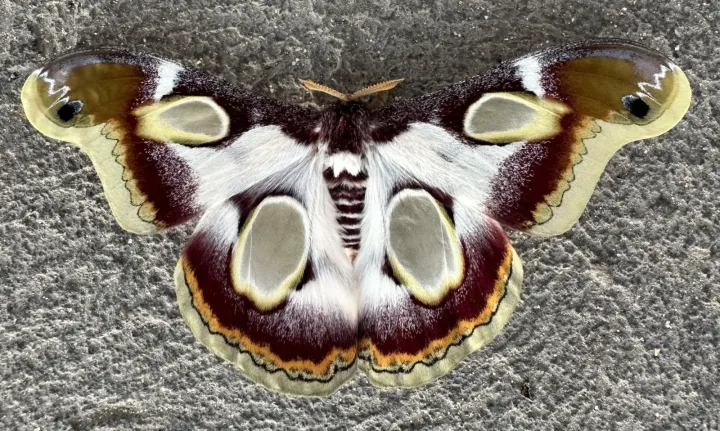
Description
How to identify
Epiphora bauhiniae is a moth species belonging to the Saturniidae family, often referred to as wild silk moths or emperor moths.
The adult moths exhibit cryptic coloration, which provides excellent camouflage against tree bark, making them difficult to detect during the day.
The larvae, or caterpillars, undergo multiple instars, growing significantly in size and developing distinct features as they reach maturity.
Pupation occurs within robust cocoons, which are frequently attached to twigs or branches of the host plant for protection.
This species is classified within the order Lepidoptera, which contains many moth species known for their potential to cause foliage damage.
What it damages
The primary hosts for the larvae of this species are trees belonging to the genus Bauhinia, commonly known as orchid trees.
Larvae feed extensively on the leaf tissue, which can lead to substantial defoliation if the pest population is left unmanaged.
Severe infestations weaken the host plant, resulting in reduced photosynthetic efficiency and diminished overall health of the tree.
The loss of foliage can also lead to stunted growth of new shoots and, in extreme cases, the death of young or vulnerable specimens.
Additionally, the presence of larval frass can contaminate the tree, potentially encouraging the growth of sooty mold or other opportunistic fungi.
When it appears
The activity of adult moths typically occurs during the warmer seasons when conditions are optimal for mating and oviposition.
The life cycle is closely synchronized with the phenology of the host plant, ensuring that food is available for the emerging larvae.
Depending on the geographic location and climatic conditions, the moth can have one or more generations per year.
Overwintering usually takes place in the pupal stage, encased within the protective cocoon until favorable spring temperatures return.
The emergence of adults is generally timed to coincide with the flush of new growth on the Bauhinia trees.
Signs of infestation
Visible signs of infestation include ragged leaf edges, irregular holes in the foliage, or leaves that have been entirely stripped to the midrib.
The presence of large, pellet-like frass on the ground below the canopy or caught in leaf axils is a strong indicator of larval activity.
Searching the undersides of leaves and along the branches may reveal the presence of caterpillars, especially in the early morning or evening hours.
Pupal cocoons attached to the branches or hidden within crevices of the tree bark are key signs that a new generation has begun or completed its cycle.
Observing adult moths fluttering around outdoor lights at night during the flight season is another indication of their presence in the area.
Control measures
Hand-picking of larvae and the manual removal of cocoons are highly recommended for home gardens to minimize the need for chemicals.
Biological control agents, such as Bacillus thuringiensis, are effective in targeting younger larvae while minimizing the impact on non-target species.
When necessary, systemic or contact insecticides can be applied, provided they are approved for use on ornamental trees.
- Monitor host plants regularly for signs of egg masses or early-instar larvae.
- Prune and destroy heavily infested branches to reduce population levels.
- Maintain tree vigor through proper irrigation and balanced fertilization.
Effective management relies on early detection, which prevents large-scale outbreaks and protects the aesthetic value of the trees.
Taxonomy
- Latin name
- Epiphora bauhiniae
- Order
- Lepidoptera (butterflies)
- Family
- Saturniidae
- EPPO code
- EPIFBA
Discussion
No discussions yet — be the first.