
Imperial moth
Eacles imperialis
Description
How to identify
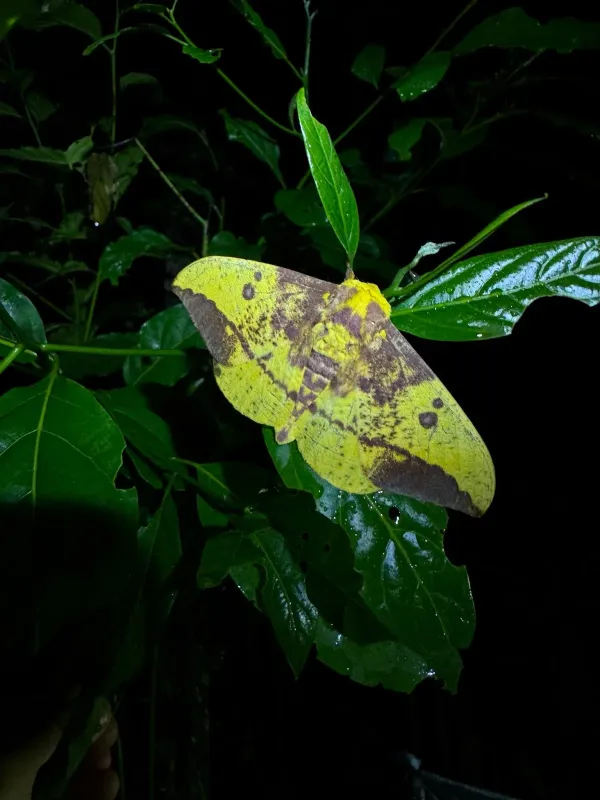
The Imperial moth Eacles imperialis is a large member of the Saturniidae family, known for its significant size and distinct wing patterns. Adults are nocturnal and possess a wingspan ranging from 80 to 175 millimeters.
The coloration of the moths is predominantly yellow with various purplish-brown spots and bands. Their bodies are stout and covered in dense, hair-like scales, which provides protection and insulation.
The larvae, or caterpillars, are the damaging stage of this species. They go through several instars, reaching up to 10 centimeters in length when mature, and display a range of colors including green, brown, or burgundy.
Life cycle completion typically takes one year (univoltine). The insect overwinters as a pupa within the soil, typically at depths of several inches, shielded by leaf litter and topsoil.
Adult moths lack functional mouthparts and do not feed; they focus entirely on reproduction. Their life span as adults is very short, usually lasting only a few days after emergence from the pupal stage.
What it damages
The larvae of the Imperial moth are polyphagous, capable of feeding on a wide variety of deciduous and coniferous trees. They consume foliage, which can lead to significant defoliation of host trees.
Preferred hosts include oak, maple, walnut, hickory, and pine species. While they are often present in low numbers, a population outbreak can severely impact young trees and nursery stock.
Heavy feeding by large caterpillars reduces the tree's photosynthetic capability. This stress can lead to reduced annual growth rates and weaken the overall vitality of the tree during the growing season.
Defoliation caused by these caterpillars can make the trees more susceptible to secondary stressors such as wood-boring insects, bark beetles, and various fungal infections that exploit weakened bark.
While usually considered a minor pest in mature forests, they are considered nuisances in suburban landscapes and ornamental nurseries where maintaining leaf health is essential for aesthetic value.
Signs of infestation
The most prominent sign of an infestation is the presence of large, noticeable caterpillars on the leaves or branches of trees. They are primarily nocturnal, making them easiest to spot at night with a light.
Skeletonized leaves and ragged edges on foliage are indicative of caterpillar feeding activity. They often start at the leaf margins and consume the entire leaf blade, leaving only the midrib behind.
Significant amounts of caterpillar frass (droppings) on the ground underneath the tree canopy serve as a strong indicator of an active population feeding in the upper canopy.
Small eggs laid on the undersides of leaves in early summer mark the beginning of an infestation. Monitoring these clusters can help in early detection before significant damage occurs.
On pines and other conifers, needle loss and visible feeding damage on the needles and tender twigs are clear signs that larvae are present and feeding on the evergreen foliage.
Control measures
Mechanical control, such as hand-picking caterpillars, is the most effective approach for home gardens and small landscape settings. Because of their size, they are easy to remove manually.
Biological insecticides, specifically those containing Bacillus thuringiensis, are highly effective against younger larvae and have minimal impact on non-target species and beneficial insects.
Chemical control with systemic insecticides is reserved for severe infestations where the threshold of tree health is threatened. Applications should be timed carefully to match the larval development stage.
Cultivating the soil around the base of the tree in the fall can destroy overwintering pupae. Disrupting the soil surface prevents the larvae from successfully pupating and exposes them to predators and cold.
Maintaining a healthy ecosystem by encouraging birds and predatory wasps can help keep Imperial moth populations below damaging levels. Integrated Pest Management emphasizes these natural controls.
Taxonomy
- Latin name
- Eacles imperialis
- Order
- Lepidoptera (butterflies)
- Family
- Saturniidae
- EPPO code
- EACLIM
Discussion
No discussions yet — be the first.