
Oak leaf miner
Dystebenna stephensi
Description
How to identify
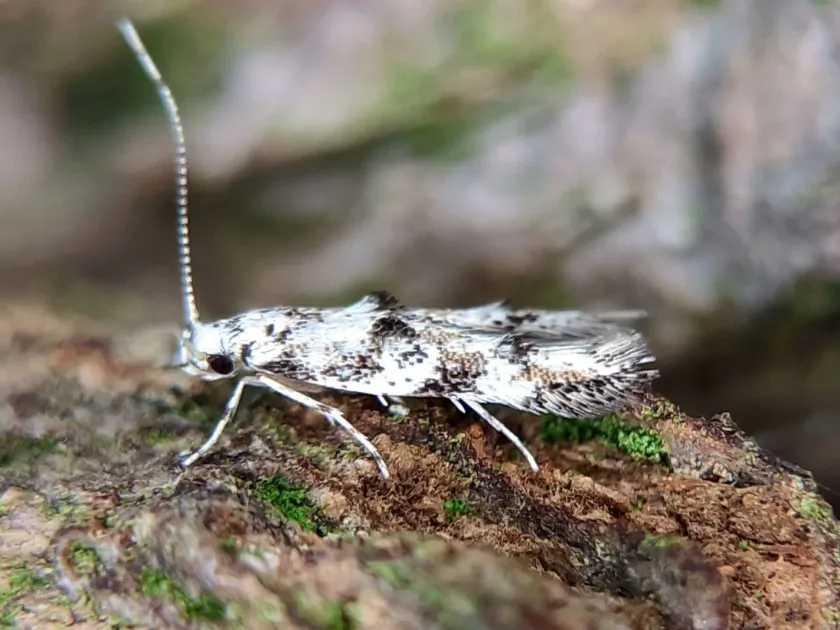
The oak leaf miner (Dystebenna stephensi) is a moth species belonging to the order Lepidoptera and the family Schreckensteiniidae. It is a small insect that spends much of its life cycle in a concealed state.
The adults are characterized by narrow, fringed wings, which is a common trait among many species of leaf-mining moths. They typically exhibit nocturnal behavior, making them difficult to spot.
The life cycle involves complete metamorphosis, where each stage is highly adapted to living on or within the host tree's tissues.
Unlike many other leaf-eating insects, the larvae of this species are specialized to create mines inside the leaf structure, feeding on the parenchyma.
Due to their miniature size and camouflage, identifying these moths in the field usually requires careful inspection of the bark and foliage.
What it damages
The primary host plants for this species are various oak tree species, including both common and sessile oaks found in forests and urban areas.
The larvae feed on internal leaf tissues, creating tunnels or mines that disrupt the normal metabolic processes of the tree.
Severe infestations lead to a reduction in the photosynthetic capacity of the foliage, which negatively impacts the overall vigor and growth rate of the tree.
Damaged leaves lose moisture more rapidly and become susceptible to secondary infections, such as fungal pathogens, during periods of stress.
Prolonged defoliation caused by a large population of larvae can eventually lead to crown dieback and the long-term decline of oak stands.
When it appears
The activity period of the moth is closely linked to the seasonal temperature patterns, with the first adult moths emerging in late spring.
Oviposition typically occurs shortly after the emergence of adult moths, coinciding with the development of new oak leaves.
The species may complete multiple generations within a single growing season, allowing for rapid population growth under favorable weather conditions.
As autumn approaches, the larvae or pupae prepare for overwintering, seeking refuge in bark crevices or under the leaf litter.
Climatic factors, such as extreme heat or heavy rainfall, can influence the development duration of each individual generation.
Signs of infestation
The most distinctive sign of infestation is the presence of pale, winding, or blotchy patterns on the leaf surface known as mines.
Affected leaves may begin to curl or yellow prematurely, especially in areas where the mining activity is most concentrated.
Upon closer examination, you can often see small dark spots of larval frass inside the mines, which distinguishes them from other types of leaf damage.
- Visible serpentine or blotch mines on the foliage.
- Yellowing or browning of leaves during the peak summer months.
- Early leaf drop, which may leave the tree looking thin and stressed.
In cases of high infestation, the entire canopy may take on a scorched appearance due to the extensive damage to the leaf tissue.
Control measures
Managing the oak leaf miner requires an integrated pest management approach that combines cultural and chemical control tactics.
Sanitation practices, such as the removal and destruction of fallen leaves in autumn, are crucial for reducing the overwintering population of pupae.
Systemic insecticides are effective because they are absorbed by the plant and reach the larvae residing within the protective leaf mines.
Biological control methods, including the use of entomopathogenic nematodes or fungi, can be used as an environmentally friendly alternative.
Regular monitoring with pheromone traps helps in determining the precise timing for intervention, ensuring maximum efficacy of control measures.
Taxonomy
- Latin name
- Dystebenna stephensi
- Order
- Lepidoptera (butterflies)
- Family
- Agonoxenidae
- EPPO code
- DYSTST
Discussion
No discussions yet — be the first.