
Dystebenna
Dystebenna
Description
How to identify
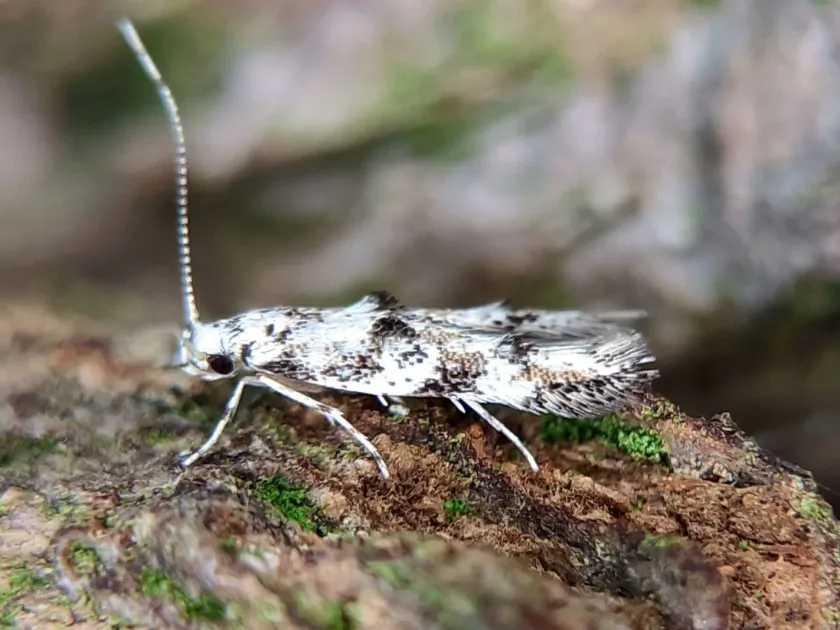
Dystebenna is a genus of small insects belonging to the order Lepidoptera and the family Douglasiidae. These moths are characterized by their small size and cryptic habits, making them difficult to detect.
The adult moths are typically slender with wings adorned with fine scales, which often provide camouflage against the bark of their host trees.
The larval stage is the most significant regarding agricultural impact, as the larvae are known to be internal feeders within plant tissues.
Identification often requires a specialist approach, utilizing microscopic examination of wing venation and male genitalia to confirm the specific species within the genus.
Field detection is generally based on the distinct damage patterns rather than direct observation of the elusive adult moths.
What it damages
This pest mainly targets various woody plants and shrubs, with larvae feeding internally on leaves or beneath the tender bark of young shoots.
Larval feeding causes the formation of mines or galleries, which disrupt the plant's vascular system and interfere with essential metabolic processes.
Severe infestations lead to premature leaf drop, reduced shoot growth, and an overall decline in the plant's structural integrity and health.
In nursery settings, damage to the terminal buds and stems can cause permanent deformation of the plant, significantly reducing its aesthetic or timber value.
Long-term infestation stresses the plant, making it highly susceptible to secondary attacks from fungal pathogens and other opportunistic pests.
When it appears
The life cycle of Dystebenna is highly synchronized with the host plant's phenology, with activity peaking during the spring and summer months.
Adult emergence typically coincides with the onset of the growing season, precisely when buds are breaking and new, succulent tissue is available for egg-laying.
Depending on regional climate conditions, the species may undergo multiple generations throughout the year, with larval activity intensifying during warmer periods.
Survival through unfavorable winter conditions is achieved by the pest through overwintering in the pupal or larval stage, tucked away in crevices or sheltered spots.
Monitoring the flight periods of adult moths is crucial for timing interventions, as this dictates the success of subsequent control efforts.
Signs of infestation
The primary symptom of a Dystebenna infestation is the development of distinct mines on the leaves, which often appear as winding, discolored trails.
Darkened or sunken patches on the bark of young shoots indicate where larvae have begun boring into the plant tissue.
Wilted or deformed terminal growth is a common indicator that larvae have damaged the internal transport tissues of the branch.
Frass (larval excrement) may sometimes be visible near entry points or within the galleries, serving as a clear indicator of active feeding.
- Presence of leaf mines or galleries;
- Deformed or stunted shoot development;
- Premature leaf yellowing and senescence;
- Visible exit holes in bark or leaves;
- General loss of plant vigor.
Control measures
Integrated Pest Management (IPM) is the most effective approach for controlling Dystebenna populations in agricultural and forestry contexts.
Sanitation practices, including the prompt removal and destruction of infested twigs and leaves, are essential for reducing the local population density.
Systemic insecticides can be applied during critical stages of larval development to ensure the active ingredients reach the pests protected within the plant tissues.
Biological control methods, such as the use of specific predators or parasitoids, can be integrated to maintain populations below economic damage thresholds.
Farming practices that promote plant health and stress resistance can significantly mitigate the impact of this pest on long-term production yields.
Taxonomy
- Latin name
- Dystebenna
- Order
- Lepidoptera (butterflies)
- Family
- Agonoxenidae
- EPPO code
- DYSTSP
Discussion
No discussions yet — be the first.