
Florida gall wasp
Dryocosmus floridensis
Description
How to identify
The Florida gall wasp (Dryocosmus floridensis) is a small insect belonging to the family Cynipidae within the order Hymenoptera. It is well-known for its ability to induce the formation of galls, which are abnormal tissue growths on host plants, as a result of its larval development.
Adult wasps are microscopic and difficult to detect in their natural environment without dedicated monitoring. Their morphology is consistent with other members of the Cynipidae family, featuring specific wing venation patterns and body structures.
The life cycle of the Florida gall wasp is synchronized with the phenology of host oak trees. It undergoes a complete metamorphosis, including egg, larval, pupal, and adult stages, with the larvae developing entirely within the plant tissue.
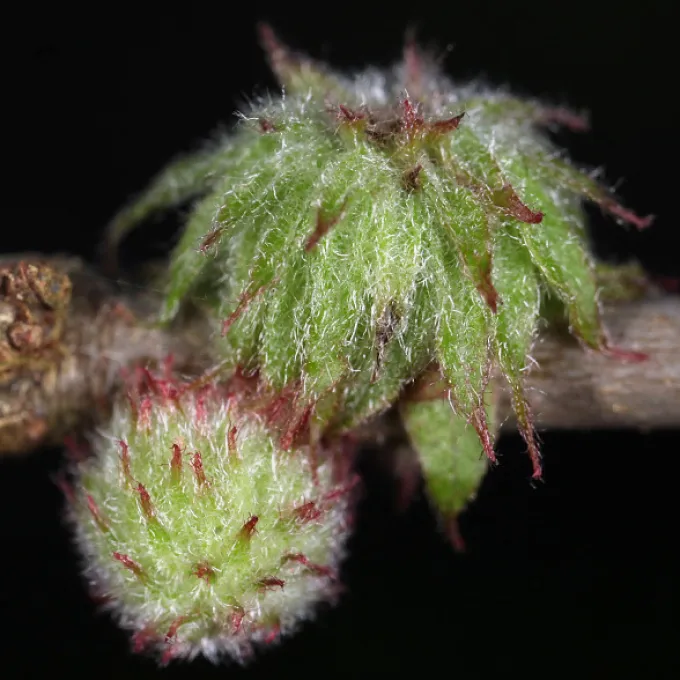
Species identification is usually determined by examining the morphology, size, and location of the galls. These structures are characteristic of the Dryocosmus floridensis species and distinguish it from other gall-forming insects.
Understanding the biology of this insect is critical for forest managers, as it helps in predicting population trends and implementing preventive measures in areas where oak health is a priority.
What it damages
This pest specifically affects various oak species (genus Quercus). Damage occurs when the wasp larvae feed on plant tissues, triggering the growth of a gall, which serves as a protective enclosure and a source of nutrition.
Galls can form on leaves, buds, or young twigs. The development of these structures redirects the plant's resources, effectively acting as a nutrient sink and potentially hindering the growth of the affected plant parts.
High infestation levels lead to a massive presence of galls on the foliage, which impairs the tree's photosynthetic capability. This results in physiological stress, causing leaves to drop prematurely and reducing the tree's overall vigor.
Chronic infestation of Dryocosmus floridensis can lead to stunted growth in young trees and weaken the tree's immune system, making it more susceptible to drought, frost, or other secondary stressors.
While mature trees can often withstand moderate gall pressure, young saplings and ornamental oaks are at higher risk of suffering significant growth retardation or structural damage to their twigs.
Signs of infestation
The most prominent sign of infestation is the appearance of galls on the foliage or twigs. These growths can vary in shape and color, and their presence indicates where the wasp has laid its eggs and where larvae are feeding.
Deformed buds or shoots are another common indicator. If the infestation affects terminal buds, it can disturb the normal growth pattern of the branch, leading to irregular branching or stunted twigs.
During the growing season, chlorosis or localized yellowing of the leaf tissue around the gall is frequently observed, reflecting the damage to the vascular supply and the localized toxic effect of the larval secretions.
In autumn, as leaves senesce, galls become highly visible. If you see tiny, pin-sized emergence holes on the surface of these galls, it confirms that the adult wasps have successfully completed their cycle and exited the structure.
Regular inspection of the canopy during the late spring and summer is the best way to observe the development of galls and gauge the severity of the infestation across the population.
Control measures
Sanitation is the most effective management strategy for the Florida gall wasp. Pruning and destroying infested twigs during the dormant season helps to remove larvae before they emerge as adults.
Biological control plays a significant role in nature. Various parasitic wasps act as natural enemies, effectively keeping populations of Dryocosmus floridensis in check, so maintaining biodiversity is crucial.
Chemical control is rarely recommended for forest trees due to environmental concerns, but in nursery or landscape settings, systemic insecticides may be applied to protect high-value specimen trees if infestations are severe.
Cultural practices, such as promoting tree health through proper irrigation and soil management, allow trees to better cope with the stress caused by gall infestations, thereby reducing the likelihood of severe damage.
Early detection and monitoring are essential. By keeping track of historical infestation trends, landowners can decide if intervention is necessary or if the damage remains within tolerable levels for the ecosystem.
Taxonomy
- Latin name
- Dryocosmus floridensis
- Order
- Hymenoptera
- Family
- Cynipidae
- EPPO code
- DRYCFL
Discussion
No discussions yet — be the first.