
Drymonia
Drymonia
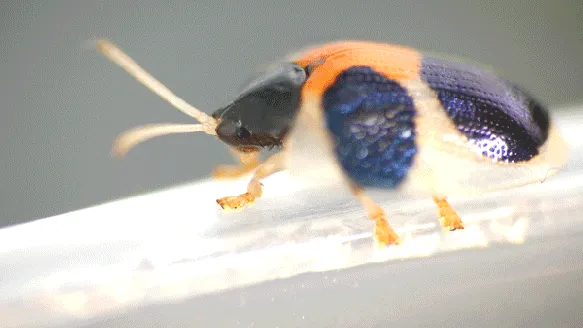
Description
How to identify
The genus Drymonia belongs to the family Notodontidae, commonly known as prominents. These insects are recognized as specialized pests that can affect various deciduous tree species.
The adult moths exhibit advanced cryptic coloration, allowing them to blend perfectly with bark surfaces, making visual detection in the field quite challenging.
Larvae, or caterpillars, often possess structural adaptations such as humps or specific color patterns that camouflage them against the host plant's twigs and leaf structures.
Taxonomically, they are categorized within the order Lepidoptera, which explains their distinct growth stages and susceptibility to specific biological and chemical interventions.
Accurate identification usually requires expert observation of both the adult moth morphology and the specific feeding patterns left by the larvae on the foliage.
What it damages
Drymonia primarily targets deciduous trees, causing significant damage by consuming leaf tissue. This feeding behavior reduces the plant's capacity for photosynthesis.
Heavy infestations result in complete or partial defoliation, which severely stresses the tree and limits the accumulation of energy reserves needed for winter dormancy.
Young trees and nursery stock are especially vulnerable, as chronic leaf loss can lead to stunted growth, reduced vigor, and increased susceptibility to fungal diseases.
In forest or landscape settings, the weakening caused by these insects often acts as a precursor to infestations by secondary pests, such as wood-boring beetles.
The cumulative damage over multiple seasons can lead to dieback of branches and, in extreme cases of repeated defoliation, the eventual mortality of the affected tree.
When it appears
The flight period for adult moths typically spans late spring through early summer, coinciding with the optimal time for mating and egg-laying on host foliage.
The larval stage is most active during the peak summer months, when rapid growth and development require substantial consumption of the host plant's nutrients.
The life cycle generally consists of a single generation per year, making timing a critical factor for the success of any preventative or curative control strategy.
Overwintering occurs in the pupal stage, usually within the leaf litter or just below the soil surface, providing a window for soil-based interventions.
Environmental variables, particularly temperature and humidity, play a significant role in determining the exact start and duration of each developmental stage.
Signs of infestation
Visible defoliation, characterized by irregular holes and skeletonized leaves, serves as the primary indicator of an ongoing larval infestation.
The presence of frass (larval droppings) on the leaves or the forest floor below the canopy is a strong sign of active feeding by large caterpillars.
Some species produce fine silk threads, which may cause leaves to clump together or appear slightly webbed, providing shelter for the larvae during the day.
Examination of the undersides of leaves and along the young twigs can reveal the presence of egg batches before the caterpillars hatch and start feeding.
- Irregular leaf edge serrations.
- Visible excrement pellets on foliage.
- Thinning of the tree canopy.
- Signs of silk webbing between leaf veins.
Control measures
Biological control using formulations of Bacillus thuringiensis is highly effective against young larvae while remaining safe for beneficial insects and predators.
Chemical insecticides should be reserved for severe outbreaks where economic damage is imminent, prioritizing systemic products that minimize contact risks.
Cultural practices, such as clearing leaf litter and shallow soil cultivation in autumn, effectively disrupt the pupal stage and reduce the overwintering population.
Promoting a healthy ecosystem by encouraging predatory birds and parasitic wasps helps maintain the pest population below the economic threshold naturally.
Consistent monitoring and the use of pheromone traps allow for the timely application of control measures, significantly increasing the overall success rate of management.
Taxonomy
- Latin name
- Drymonia
- Order
- Lepidoptera (butterflies)
- Family
- Notodontidae
- EPPO code
- DRYMSP
Discussion
No discussions yet — be the first.