
Dirphia
Dirphia
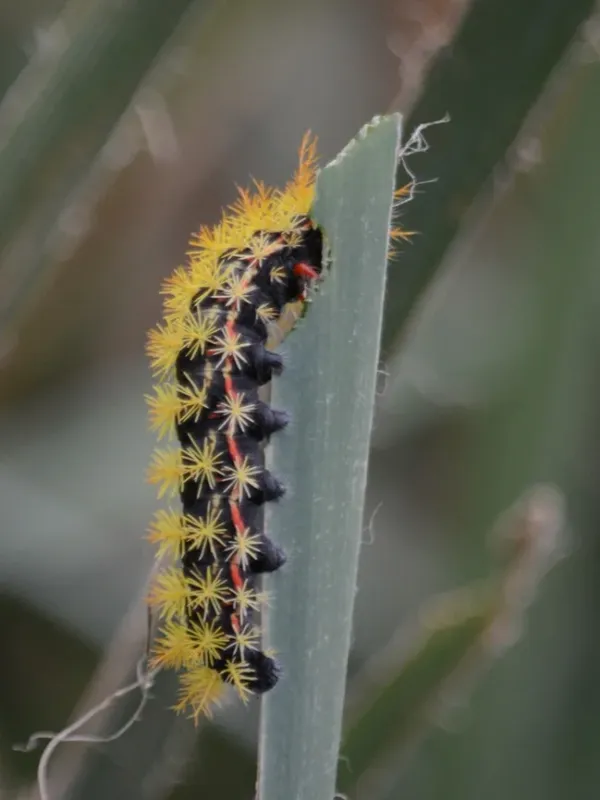
Description
How to identify
The genus Dirphia belongs to the family Saturniidae (giant silkworm moths). These large insects are notable for their impressive wingspan, which often ranges from 70 to 120 mm.
Adult moths are typically nocturnal, with cryptic coloration in shades of brown, grey, and yellow, which allows them to camouflage perfectly against tree bark and foliage.
The larval stage, or caterpillar, is the most recognizable form of the pest. Many Dirphia larvae possess dense, branching spines or stiff hairs that can cause severe skin irritation or stinging reactions in humans.
The lifecycle includes a complete metamorphosis: egg, larva, pupa, and adult. Females deposit eggs in clusters on the underside of leaves to ensure immediate food access for hatching larvae.
Pupation typically occurs within a dense, leathery cocoon, which may be attached to branches or hidden amongst leaf litter on the forest floor, providing protection from predators.
What it damages
Dirphia larvae are known as polyphagous pests, capable of feeding on a wide range of host plants, including both ornamental trees and various tropical agricultural crops.
They consume leaf tissue aggressively, often leading to total defoliation of the host plant, which significantly impairs the tree's ability to undergo photosynthesis.
The resulting stress from foliage loss causes the plant to become highly susceptible to secondary attacks from pathogens, such as fungal infections or stem-boring beetles.
In nurseries and orchards, heavy infestation leads to stunted growth, reduced fruit production, and in severe cases, the death of young seedlings or saplings.
The presence of stinging hairs on the larvae also complicates manual pruning and harvesting, posing a health hazard to agricultural workers in infested areas.
Signs of infestation
Early identification of Dirphia presence involves spotting skeletalized or heavily chewed leaves, often found in clusters during the early larval development stages.
Accumulation of frass (caterpillar droppings) on the ground underneath the canopy is a strong indicator of an active and potentially large population residing in the foliage.
The appearance of tough, elliptical cocoons attached to twigs or hidden in the leaf mulch confirms that the pest has successfully completed its feeding cycle.
Observing adult moths near artificial lights at night or noticing localized branch dieback can also alert growers to the presence of the infestation.
Sudden appearance of rashes among field workers is a classic, albeit unpleasant, sign that caterpillars with urticating (stinging) hairs are present in the vegetation.
Control measures
Biological control, specifically the use of Bacillus thuringiensis sprays, is highly effective against young larvae while remaining safe for most beneficial insects.
Manual removal and destruction of egg clusters or larval colonies is recommended for smaller gardens or localized infestations in high-value nurseries.
Monitoring using pheromone traps is an essential practice for detecting the emergence of adult moths and timing the application of control agents for maximum impact.
Chemical control should be used judiciously as a last resort, targeting early larval stages with selective insecticides to minimize collateral damage to non-target species.
Promoting a healthy ecosystem that supports the natural predators of Dirphia, such as predatory bugs and parasitic wasps, provides sustainable, long-term population regulation.
Taxonomy
- Latin name
- Dirphia
- Order
- Lepidoptera (butterflies)
- Family
- Saturniidae
- EPPO code
- DIRISP
Discussion
No discussions yet — be the first.