
Mossy Rose Gall Wasp
Diplolepis palustris
Description
How to identify
The Mossy Rose Gall Wasp (Diplolepis palustris) is a member of the Cynipidae family within the order Hymenoptera. These insects are best known for inducing the growth of complex, mossy galls on the stems and leaves of host plants.
The adult insect is very small, typically measuring between 2 to 4 millimeters. They are generally dark in color and possess the typical morphology of parasitic wasps, although they are not harmful to humans or large animals.
The biological success of this species relies on its ability to alter plant tissue development. By injecting substances during oviposition, the wasp stimulates the plant to create a protected structure for its larvae, known as a gall.
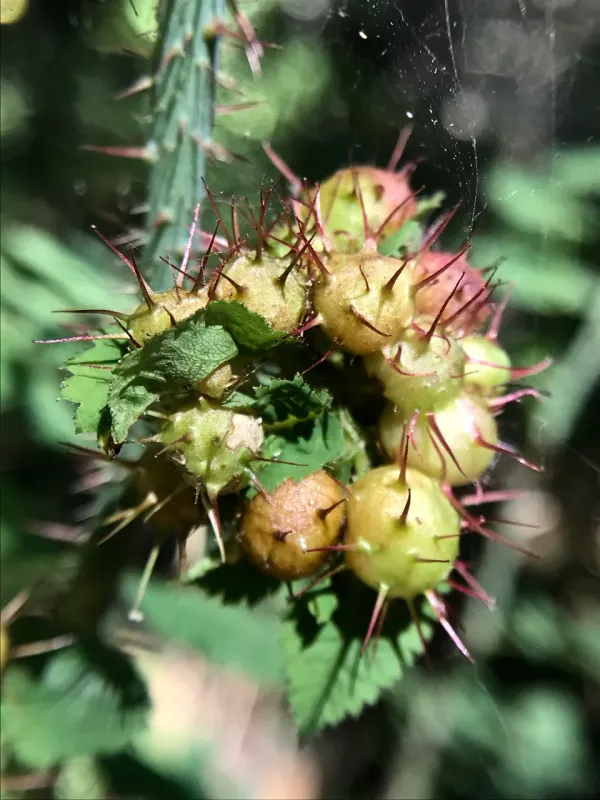
Identification of the species is primarily based on the appearance of these galls. Unlike other gall wasps, the galls induced by this species have distinct characteristics that differentiate them from the more common rose bedeguar gall.
These insects prefer damp habitats, often found in marshy areas or near water bodies where host plants such as various wild rose species thrive and grow in abundance.
What it damages
The primary hosts for the Mossy Rose Gall Wasp include various species of wild roses and certain decorative cultivars. The wasp targets young shoots for egg-laying, which initiates the formation of the galls.
The development of the gall acts as a nutrient sink. The plant diverts energy and resources from normal growth, flowering, and leaf production into the maintenance of the gall tissue, which weakens the host plant.
The structural integrity of the affected shoots is compromised. Galls can cause significant mechanical stress, leading to bending, twisting, or the stunted growth of the branches they inhabit.
Long-term infestation can lead to the overall decline of the rose bush. Reduced vigor makes the plant more susceptible to environmental stress, drought, and secondary attacks by fungal pathogens like rose rust or black spot.
In nurseries or commercial rose gardens, the aesthetic damage is the primary concern. Infested bushes lose their commercial value due to the presence of large, unsightly growths that reduce the plant's ornamental appeal.
When it appears
Adult wasps emerge from their overwintering galls in early spring, coinciding with the period of rapid bud break in host plants. This is the crucial window for mating and the initiation of the next generation.
Throughout the late spring and early summer, the larvae develop inside the expanding galls. This period is marked by the rapid growth of the galls as they become more robust and morphologically distinct.
Pupation typically occurs towards the end of summer or early autumn. During this stage, the larvae transform into adults within the secure, hardened chambers of the gall, shielded from late-season heat and predation.
The insects overwinter as mature larvae or pupae within the gall. The gall acts as a thermal buffer, ensuring the survival of the population throughout the cold winter months while remaining attached to the dormant rose bush.
The cycle resets in the following spring as warming temperatures trigger the emergence of the adults, marking the start of the next annual developmental sequence.
Signs of infestation
The most prominent sign of infestation is the appearance of moss-like, fibrous galls on stems. These growths often look like tangled masses of thin, hair-like filaments and can vary in color from light green to reddish-brown.
As the galls age, they become woody and brown, persisting on the branches long after the leaves have fallen. This makes them easy to spot during winter pruning, which is the ideal time to manage the pest.
- Formation of characteristic mossy or spiky galls on stems.
- Distortion and curling of developing rose shoots.
- Chlorosis or yellowing of leaves adjacent to the infestation.
- Premature leaf drop from the affected branches.
- Dieback of branches located above the gall site.
A cross-section of a fresh gall will reveal multiple internal chambers, each housing a single larva. Once the adults have emerged, you will notice tiny exit holes on the surface of the gall.
Control measures
Mechanical control is the most reliable method for home gardeners. Pruning off the galls during the dormant season and destroying them by burning or bagging them for disposal is highly effective in reducing the local population.
Cultural practices should emphasize maintaining plant vigor. Proper fertilization, adequate watering, and removing surrounding weeds can help rose bushes recover from minor infestations and improve their natural defenses.
Chemical control is rarely effective because the larvae are protected inside the woody galls. If systemic insecticides are used, they must be applied precisely during the adult emergence period, which is difficult to time correctly.
Encouraging natural predators is a better long-term strategy. Various parasitoid wasps naturally prey on the larvae within the galls, and maintaining a diverse garden environment helps keep the population in check.
Regular monitoring of rose collections, especially in early spring, allows for the early detection and removal of new galls before the wasp population can spread throughout the garden.
Taxonomy
- Latin name
- Diplolepis palustris
- Order
- Hymenoptera
- Family
- Cynipidae
- EPPO code
- DIPLPA
Discussion
No discussions yet — be the first.