
Dikerogammarus
Dikerogammarus
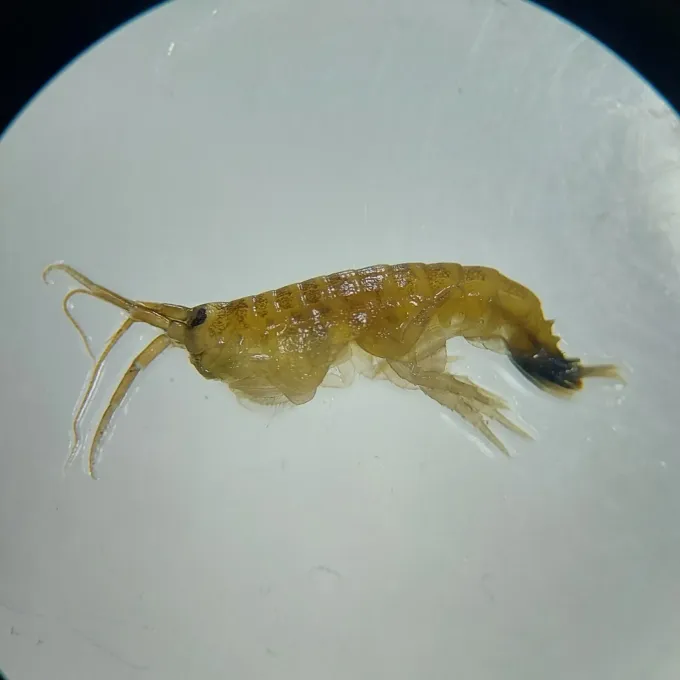
Description
How to identify
Dikerogammarus is a genus of amphipod crustaceans belonging to the Gammaridae family. These organisms are recognized by their robust bodies and specific antenna structures that distinguish them from native species.
They are characterized by strong claws in males, which allow them to be aggressive hunters and scavengers in various aquatic ecosystems.
The biology of the species is notable for its rapid life cycle and high environmental plasticity, enabling it to colonize both running and standing water bodies successfully.
They are often identified by their brownish or grayish coloration, which provides excellent camouflage against lake or river substrates.
Precise identification usually requires taxonomic analysis, as their morphological similarities to indigenous gammarids can lead to misclassification by non-experts.
What it damages
In agricultural and aquaculture settings, Dikerogammarus species are considered pests due to their predatory nature on fish eggs and newly hatched fry.
They cause significant economic losses by directly reducing the survival rates of fish in commercial hatcheries and controlled water environments.
As invasive species, they outcompete native crustaceans for food and space, which leads to a decline in biodiversity and ecosystem instability.
The presence of large populations can lead to the destruction of aquatic vegetation, which is necessary for the natural spawning processes of many fish species.
Additionally, they can act as vectors for various aquatic pathogens, potentially triggering outbreaks of fish diseases within the affected systems.
When it appears
Activity begins in early spring, as water temperatures rise, stimulating the emergence of adults and the start of the breeding season.
Peak population densities are typically recorded during summer months when warm water temperatures favor rapid larval development and growth.
As autumn approaches, the population begins to prepare for overwintering, migrating towards deeper sediments to escape potential freezing temperatures.
Winter survival is high, with individuals and egg clutches remaining protected within the substrate or among aquatic vegetation debris.
Temperature fluctuations throughout the year dictate the seasonal cycles, yet the resilience of the species allows it to withstand significant environmental stress.
Control measures
Effective management begins with strict biosecurity protocols to prevent the accidental introduction of the species through ballast water or contaminated equipment.
Mechanical removal of sediment and aquatic vegetation can significantly reduce the number of hiding spots available to the pest population.
Periodic draining and drying of aquaculture ponds in winter is a highly effective cultural control method to eliminate surviving individuals and their offspring.
Biological control involves maintaining healthy populations of natural fish predators that feed on amphipods, keeping their numbers in check.
- Routine monitoring with specialized traps to track population trends.
- Disinfection of tools and nets before moving between water bodies.
- Limiting the transport of live fish to prevent cross-contamination.
Taxonomy
- Latin name
- Dikerogammarus
- Family
- Gammaridae
- EPPO code
- DIKGSP
Discussion
No discussions yet — be the first.