
Japanese gall wasp
Diastrophus japonicus
Description
How to identify
The Japanese gall wasp (Diastrophus japonicus) is a member of the Hymenoptera order, specifically belonging to the Cynipidae family. These tiny insects are notorious for inducing the formation of abnormal tissue growths on their host plants.
Adult wasps are very small, usually measuring only a few millimeters in length. Due to their minute size and elusive behavior, they are rarely observed unless specifically monitored during their emergence period.
The biological cycle of this species is highly specialized. The females use their ovipositors to lay eggs inside the stems of specific host plants, secreting substances that trigger the plant to form protective structures known as galls.
The larvae hatch inside these galls, which serve as both their primary food source and their main defense against predators and environmental stress. This life strategy makes the wasp a persistent pest in susceptible regions.
Understanding their taxonomy and life cycle is crucial for orchard management, as the pest can remain dormant within the stems for a significant portion of the year, surviving harsh winter conditions.
What it damages
The Japanese gall wasp primarily targets raspberries (Rubus idaeus) and certain wild blackberry species. It focuses its activity on the young, vigorous shoots that are crucial for the current season's growth and future fruit production.
The formation of galls disrupts the normal vascular flow within the stems. This physiological interference restricts the transport of water and essential nutrients, leading to stunted shoot development and reduced vigor.
As the galls enlarge, the structural integrity of the shoot is compromised. This makes the affected canes highly susceptible to mechanical damage from wind, snow, or even routine maintenance operations.
In cases of heavy infestation, entire canes may die off prematurely, significantly impacting the yield. The reduction in the number of healthy fruiting buds directly leads to lower harvest volumes for commercial growers.
Furthermore, the necrotic tissues within old, abandoned galls can become secondary sites for pathogens. This often introduces further complications like wood-decaying fungi, which can spread to healthy parts of the plant.
Signs of infestation
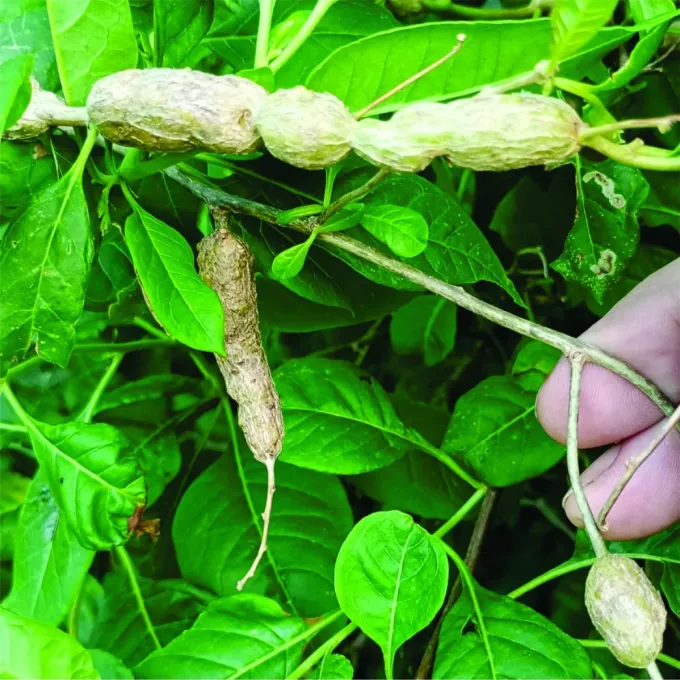
The most distinctive sign of a Japanese gall wasp infestation is the appearance of bulbous, knotty swellings on the canes. These growths, or galls, are irregular in shape and can vary in size from a few millimeters to several centimeters.
Early in the season, these galls are typically green and somewhat succulent. As the season progresses, they undergo lignification, turning brown and hard, making them quite easy to spot during late summer and autumn inspections.
If you split open a fresh gall, you will discover a larval chamber. Inside, legless, white-colored larvae can be found feeding on the internal tissues provided by the plant's abnormal growth response.
A tell-tale sign of an active or past infestation is the presence of small, round exit holes on the surface of the galls. These holes indicate that the adult wasp has successfully completed its metamorphosis and emerged to begin a new cycle.
Gardeners often notice the presence of the pest when the affected canes start yellowing or show clear signs of wilting despite adequate watering. The brittleness of these shoots is a definitive indicator of internal pest damage.
Control measures
The primary and most effective control method is rigorous sanitation. All infested canes showing signs of gall formation should be pruned down to the base and immediately destroyed by burning to prevent the emergence of new adults.
Timing is critical when implementing sanitation measures. Pruning must be completed before the wasps emerge, which usually occurs in the spring, to ensure that the larval population is successfully eliminated from the planting area.
Maintaining a clean garden environment is essential. This includes removing any wild host plants, such as unmanaged wild blackberries or raspberries, found in the immediate vicinity of the commercial or home garden.
While chemical control can be used, its effectiveness is often limited because the larvae are well-protected inside the thick walls of the galls. Applications are generally only useful if timed perfectly with the adult wasp's emergence period.
Preventative strategies also include crop rotation and ensuring sufficient spatial isolation between new, healthy raspberry plantings and older, already infested orchard blocks to prevent natural colonization.
Taxonomy
- Latin name
- Diastrophus japonicus
- Order
- Hymenoptera
- Family
- Cynipidae
- EPPO code
- DISRJA
Discussion
No discussions yet — be the first.