
Hawkmoth
Deilephila
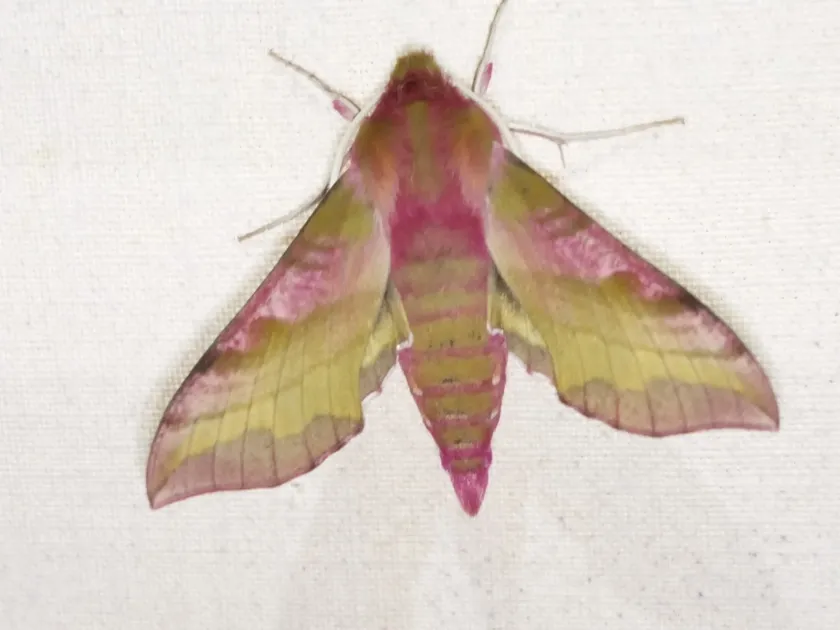
Description
How to identify
Hawkmoths (family Sphingidae) are robust, powerful moths with narrow, streamlined wings. Many species are known for their ability to hover while feeding on nectar, resembling hummingbirds.
The larvae, commonly known as hornworms, are identifiable by a distinct, fleshy horn on their posterior end. This horn is harmless, despite its formidable appearance, and serves as a natural deterrent.
Caterpillars come in various colors, typically shades of green or brown, often featuring diagonal stripes or eyespots on their sides that help them blend into foliage.
Their life cycle consists of four stages: egg, larva, pupa, and adult. Most species pupate in the soil, often at a depth of several centimeters, making soil management a key control factor.
Adult hawkmoths are nocturnal or crepuscular, meaning they are most active during dusk and dawn, which is when they typically lay eggs on the undersides of host plant leaves.
What it damages
Hawkmoth caterpillars are voracious feeders that can strip entire branches of their leaves in a matter of days if left unchecked.
Vineyards are particularly susceptible, as the larvae can cause severe defoliation of grapevines, negatively impacting both fruit development and long-term vine health.
Vegetable crops such as tomatoes, peppers, and potatoes are also prime targets. The larvae feed aggressively, often consuming leaves, buds, and sometimes the outer skin of stems.
Ornamental plants, including garden phlox and various shrubs, may suffer significant cosmetic and physiological damage due to the rapid consumption of leaf tissue.
In high populations, these pests can cause catastrophic damage to young plants, potentially leading to the death of the specimen if it loses its photosynthetic capacity too early in the season.
Signs of infestation
The most prominent sign of a hawkmoth infestation is the rapid disappearance of leaf tissue, often starting from the edges and leaving the thicker veins behind.
Large, pellet-shaped frass (excrement) deposited on the soil surface under the plant canopy is a tell-tale sign that large caterpillars are feeding overhead.
Observing the plant during early morning or late evening often reveals the caterpillars resting along stems or the underside of leaves, where they attempt to stay hidden.
In cases of severe infestation, the plant may show bare stems with missing foliage, often accompanied by a visible decline in vigor or wilting symptoms.
The appearance of large moths buzzing around flowers at twilight may indicate that eggs have been deposited in the vicinity, warning of an upcoming larval cycle.
Control measures
Manual removal of caterpillars is a highly effective control strategy for smaller gardens, as their size makes them easy to locate and handpick.
Tilling the soil in autumn and early spring disturbs the pupae buried underground, exposing them to predators like birds and to harsh environmental conditions.
Biological insecticides containing Bacillus thuringiensis are highly recommended, as they target the caterpillars specifically while remaining safe for beneficial insects.
Chemical control with systemic or contact insecticides should be used as a last resort, strictly adhering to product labels to ensure food safety and minimize harm to pollinators.
- Maintain a clean garden by removing weeds that may serve as alternative host plants.
- Encourage natural predators by installing birdhouses and creating habitats for beneficial insects.
- Use physical barriers like netting to prevent adult moths from laying eggs on vulnerable crops.
Taxonomy
- Latin name
- Deilephila
- Order
- Lepidoptera (butterflies)
- Family
- Sphingidae
- EPPO code
- DEILSP
Discussion
No discussions yet — be the first.