
Datana major
Datana major
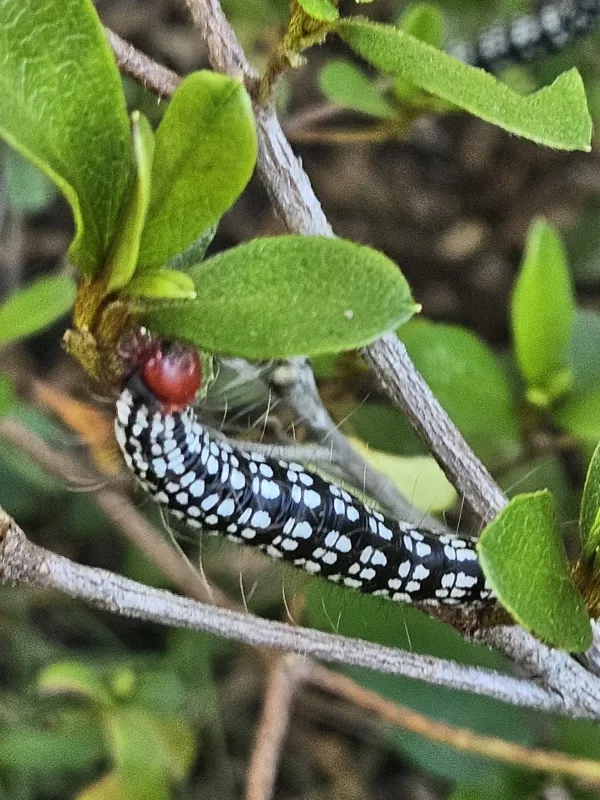
Description
How to identify
Datana major is a species of moth belonging to the family Notodontidae (prominents). The adult moth is characterized by its nocturnal habits, possessing a brownish, modest appearance that provides excellent camouflage during the daylight hours.
The larvae, known as caterpillars, are the most prominent stage. They are social insects, feeding in large groups. Fully grown larvae can reach up to 50 mm in length, featuring a dark body with longitudinal yellow stripes and sparse white hairs.
The life cycle involves complete metamorphosis, with pupation occurring in the soil. Adults emerge in early to mid-summer, subsequently laying batches of eggs on the undersides of leaves of their host plants.
They are famous for their defensive behavior: when disturbed, all caterpillars in the group arch their front and rear ends simultaneously, which serves to deter potential predators like birds.
The species usually completes one generation per year. Understanding this timeline is crucial for farmers and gardeners to predict when monitoring should be at its peak intensity.
What it damages
The primary hosts for Datana major include various deciduous shrubs and trees. They are frequently observed on species within the Vaccinium genus, azaleas, rhododendrons, and occasionally on oak trees.
Damage is exclusively caused by the larval stage. As the caterpillars grow, their consumption rate increases significantly, leading to rapid defoliation of the branches they inhabit.
In cases of high infestation, the loss of photosynthetic leaf area can severely stress the host plant, potentially leading to stunted growth, loss of flower buds, or death of young saplings.
Since the caterpillars feed gregariously, the damage is concentrated in specific parts of the canopy, often leaving branches completely bare before the infestation spreads to the rest of the plant.
Such heavy defoliation makes the plants susceptible to secondary attacks by wood-boring insects and various environmental stressors, compromising the overall vitality of the plantation.
Signs of infestation
The most reliable sign of an infestation is the presence of gregarious caterpillar groups on the outer foliage of susceptible plants, often visible from mid-summer onwards.
Accumulation of frass (caterpillar droppings) on the leaves or on the ground beneath the plant serves as a clear indication that a colony is active and feeding in the canopy above.
Skeletonized leaves, where only the major veins remain, are a classic symptom of feeding by older larvae, which possess high nutritional demands and aggressive feeding patterns.
The defensive "U-shape" posture mentioned in the identification section is a highly distinct diagnostic feature that separates this pest from solitary leaf-eating caterpillars.
Regular monitoring of the undersides of leaves during the egg-laying period helps in detecting the presence of the pest before significant damage to the plant structure occurs.
Control measures
Manual removal of infested branches is the most practical and eco-friendly control method for residential gardens, as the caterpillars stay in easily identifiable, localized groups.
Biological insecticides containing Bacillus thuringiensis are highly effective against young larvae and are recommended for maintaining a balanced ecosystem without harming beneficial insects.
Chemical control should be reserved for severe outbreaks. Broad-spectrum insecticides should be used carefully to avoid secondary pest outbreaks caused by the destruction of natural predator populations.
Autumn soil cultivation under the host plants can significantly reduce the overwintering population by exposing pupae in the soil to predators and adverse winter conditions.
Encouraging the presence of natural enemies, such as parasitic wasps and predatory beetles, is a key component of an Integrated Pest Management (IPM) strategy for Datana major.
Taxonomy
- Latin name
- Datana major
- Order
- Lepidoptera (butterflies)
- Family
- Notodontidae
- EPPO code
- DATAMA
Discussion
No discussions yet — be the first.