
Darapsa
Darapsa
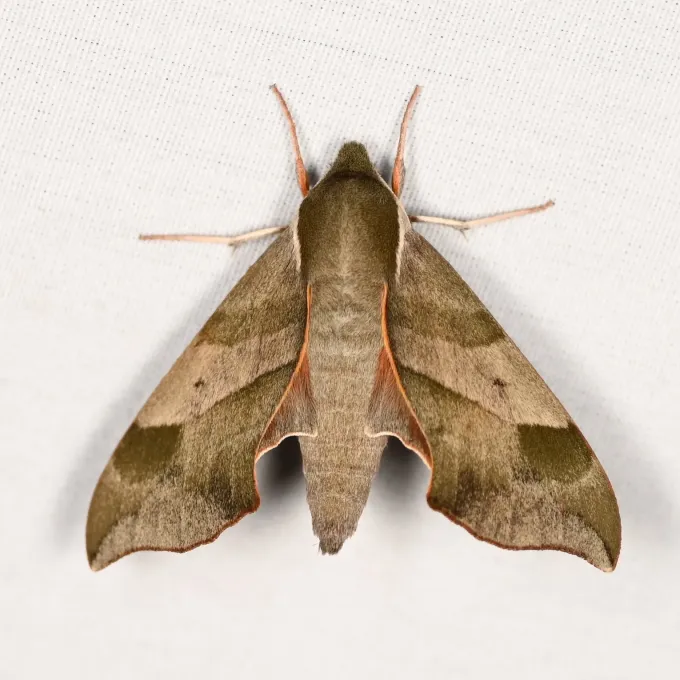
Description
How to identify
The genus Darapsa is part of the Sphingidae family, commonly known as sphinx moths or hawk moths, known for their powerful flight capabilities.
Adult moths are typically brownish or tan, featuring aerodynamic bodies and narrow wings that provide excellent camouflage when resting.
The larvae are classic sphinx caterpillars, distinguished by a prominent horn located on the posterior end of their abdominal segments.
Caterpillars display a range of green to brown colorations, allowing them to blend seamlessly with the foliage of their host plants.
The pupal stage is spent in the soil or leaf litter, where the insect develops inside a firm, protective cocoon until emerging as an adult.
What it damages
Darapsa caterpillars primarily feed on plants within the Vitaceae family, showing a strong preference for grapevines, both wild and cultivated.
In addition to grapes, they are known to occasionally feed on ornamental shrubs such as Viburnum and Hydrangea species found in landscape gardens.
Damage occurs through the defoliation of the host plant, as larvae are voracious eaters capable of stripping leaves down to the midribs.
Severe infestations can lead to significant loss of photosynthetic surface area, weakening the plant's overall health and reducing fruit production.
Young shoots and buds may also be targeted, potentially altering the growth pattern of the vine and affecting long-term plant vigor.
When it appears
Adult moths emerge in late spring or early summer, depending on regional temperature variations and specific environmental triggers.
Mating occurs shortly after emergence, with females laying eggs individually on the undersides of leaves to ensure food availability for the hatchlings.
The peak feeding period for larvae typically occurs throughout the mid-summer months, corresponding to the active growth phase of the vines.
Depending on the geographic location, the species may complete one or more generations per season before the onset of cooler weather.
As temperatures drop, the larvae enter the pupation stage, remaining dormant in the soil throughout the winter months to survive.
Signs of infestation
Visible signs of an infestation include irregularly shaped notches along the leaf margins, which are characteristic of heavy chewing by caterpillars.
Dark fecal pellets, or frass, found on the ground or stuck to the foliage are reliable indicators that caterpillars are feeding nearby.
Despite their size, caterpillars are often difficult to spot due to their excellent mimicry, often resting along the veins of the leaves.
Complete or partial stripping of leaf tissue without harming the main woody stems is a clear indicator of lepidopteran feeding activity.
Increased activity of nocturnal predators or bird visits to the vine area may sometimes serve as a secondary sign of caterpillar presence.
Control measures
Hand-picking caterpillars remains the most effective and eco-friendly control method for small gardens and residential vine cultivation.
Biological insecticides, specifically those containing Bacillus thuringiensis (Bt), are highly effective against young larvae while preserving beneficial insects.
Standard horticultural insecticides may be employed in commercial settings if the infestation threshold is exceeded, following strictly regulated application intervals.
Tilling the soil beneath the plants in late autumn can help expose or destroy overwintering pupae, thereby reducing the subsequent year's population.
Encouraging natural biodiversity, including beneficial wasps and parasitic flies, can help keep the Darapsa population below levels of economic damage.
Taxonomy
- Latin name
- Darapsa
- Order
- Lepidoptera (butterflies)
- Family
- Sphingidae
- EPPO code
- DARASP
Discussion
No discussions yet — be the first.