
Dalotia coriaria
Dalotia coriaria
Description
How to identify
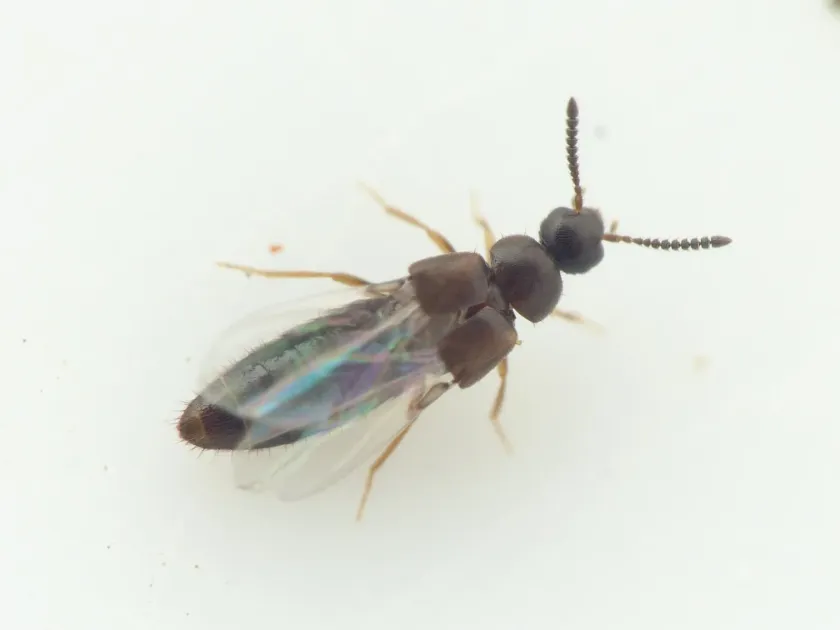
Dalotia coriaria, formerly classified as Atheta coriaria, is a species of rove beetle (family Staphylinidae). Adults are small, usually 3 to 4 mm long, with a dark, glossy appearance and shortened elytra that reveal the abdominal segments.
These beetles are exceptionally fast runners. They move fluidly over the surface of the growing medium and are highly adept at navigating through the pores of soil or organic substrates to find food and shelter.
The larval stages are slender and pale, making them difficult to spot without magnification. They typically reside in the upper layers of the soil where organic matter is abundant and moisture levels are high.
The life cycle is rapid, typically completing in less than a month under greenhouse conditions. This short generation time allows for explosive population growth if environmental conditions are favorable.
While often recognized as a beneficial predator of fungus gnats (Sciaridae), Dalotia coriaria displays opportunistic feeding habits. When its primary prey is scarce, it frequently turns to feeding on young roots and organic matter.
What it damages
Dalotia coriaria is primarily a concern in greenhouse environments, specifically impacting young seedlings, vegetable transplants, and potted ornamentals. Its impact is most significant during the early growth stages.
Damage occurs when larvae or adults feed on the delicate root hairs and primary roots of young plants. This feeding activity leads to stunted growth, reduced nutrient uptake, and physiological stress in the seedlings.
The injury to the root system creates open wounds that serve as entry points for soil-borne pathogens, including Pythium and Fusarium species, leading to secondary root rot infections.
High moisture levels in peat-based substrates or composts encourage higher density of the beetle. Under these conditions, direct damage to root systems can result in total loss of crop uniformity or plant death.
Growers often misdiagnose this damage as traditional root rot. However, the presence of these beetles indicates a hidden pest issue that requires a specific strategy beyond fungicidal treatment.
Signs of infestation
The presence of adult beetles scurrying across the surface of the growth medium is the most immediate sign of infestation. They are particularly active during early morning inspections or immediately following irrigation.
Seedlings that fail to thrive or show signs of sudden wilting, despite regular moisture, should be inspected. Careful examination of the root ball may reveal missing root tips or small, irregular lesions.
Yellow sticky traps are standard monitoring tools. A high catch count of Dalotia coriaria on these traps indicates that a control intervention is likely necessary to protect developing crops.
Microscopic inspection of the soil surface often reveals small tunnel networks created by the larvae. These burrows disrupt the root zone and can cause the medium to dry out unevenly.
Consistent uneven growth patterns in a nursery bench are a strong indicator of soil-dwelling pests. When healthy plants exist alongside stunted ones, it is a hallmark sign of a localized pest issue.
Control measures
Managing the greenhouse environment is the first line of defense. Ensuring proper drainage and avoiding waterlogged substrates significantly reduces the beetle's habitat suitability.
Biological control using entomopathogenic nematodes, such as Steinernema feltiae, has proven highly effective. These microscopic worms target the larvae within the soil without harming the crop.
Sanitation is critical to preventing population buildup. Removing decaying plant debris, cleaning greenhouse benches, and using sterile media for propagation minimize the resources available to the beetles.
Use yellow sticky cards not only for monitoring but also to trap adult beetles, thereby reducing the breeding population and preventing subsequent generations from laying eggs in the substrate.
Avoid excessive use of broad-spectrum pesticides, as these chemicals can kill beneficial predatory insects, potentially leading to pest outbreaks of other species like sciarid flies or aphids in the greenhouse.
Taxonomy
- Latin name
- Dalotia coriaria
- Order
- Coleoptera (beetles)
- Family
- Staphylinidae
- EPPO code
- ATHTCO
Discussion
No discussions yet — be the first.