
Dalotia
Dalotia
Description
How to identify
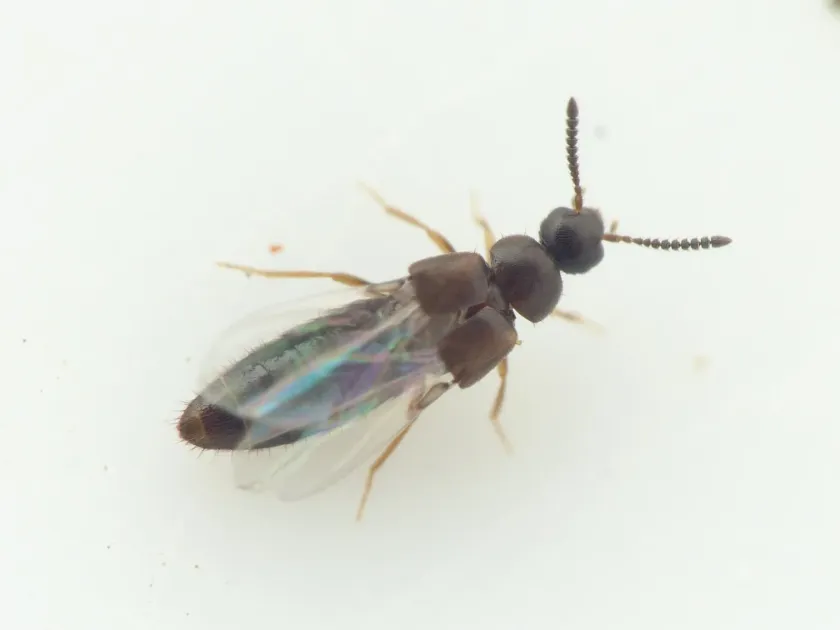
Dalotia (formerly Atheta coriaria) is a small predatory beetle belonging to the Staphylinidae family. Adults typically measure 3–4 mm in length and possess a dark brown to black coloration.
They are characterized by high mobility and speed, often scurrying across the soil surface when disturbed. Their larvae are also highly active and equipped with mouthparts for feeding on organic matter and roots.
This insect primarily inhabits the upper layers of moist soil, decaying organic matter, and peat-based growing media. They are nocturnal or photophobic, preferring dark and sheltered environments.
Identification is often difficult for non-experts as the beetles quickly hide in soil crevices. Sticky traps, especially yellow ones, are the standard tool for monitoring their presence.
While often considered beneficial as predators of other small insects, in greenhouse environments with high population densities and low prey availability, they can become pests by feeding on plant roots.
What it damages
Dalotia causes significant damage to the roots of young seedlings, particularly in vegetables and ornamental plants. Larvae and adults feed on the delicate root hairs and secondary roots.
Root system damage leads to stunted growth, reduced vigor, and in extreme cases, plant death. Seedlings are particularly vulnerable during their initial growth stages in greenhouse trays.
The feeding activity creates wounds that serve as entry points for soil-borne pathogens, including Fusarium and Pythium species, leading to severe root rot diseases.
In ornamental horticulture, the presence of these beetles can decrease the commercial value of pot plants due to the observed stress symptoms in the foliage and overall reduced vitality.
Hydroponic systems that utilize organic substrates are at high risk, as constant moisture levels favor the rapid reproduction of the pest, putting plant root systems at continuous risk.
When it appears
In greenhouse settings, Dalotia can breed throughout the entire year, provided that moisture and warmth are maintained. They thrive at temperatures between 20°C and 25°C.
The highest activity and population growth typically occur during the seedling propagation season in late winter and spring when humidity levels in greenhouses are kept high.
In outdoor environments, populations peak during the summer months, especially in regions with frequent rainfall, which keeps the soil surface consistently damp.
The life cycle from egg to adult is relatively short, lasting about 3 to 4 weeks. This rapid reproductive cycle allows populations to explode in favorable greenhouse conditions.
Overwintering occurs in the soil or protected organic debris, making thorough greenhouse sanitation between crops essential to disrupt the life cycle of the pest.
Signs of infestation
The first indicator of an infestation is the sudden wilting of seedlings during daylight hours, even when the substrate remains adequately moist.
During routine tasks like watering or moving pots, the rapid movement of dark, small beetles across the surface of the growing medium is a clear sign of an established population.
Look for small, irregular tunnels or depressions on the surface of peat-based media, which are indicative of larval feeding activity and movement near the base of the plant.
Frequent occurrences of root rot in a greenhouse, despite proper irrigation, often suggest that Dalotia is present and acting as a vector for pathogenic fungi.
Monitoring with yellow sticky cards can confirm the infestation. Finding a significant number of these beetles on traps indicates the need for immediate corrective action.
Control measures
The primary control method is cultural: avoid overwatering and ensure that pots and trays have proper drainage to prevent waterlogging, which attracts these beetles.
Sanitation is critical; always use sterilized, high-quality growing media to prevent the introduction of eggs or larvae into the greenhouse environment.
Biological control options include the application of entomopathogenic nematodes, such as Steinernema feltiae, which effectively target and kill larvae within the soil.
Chemical control should focus on the soil surface, where adults and larvae are most active, using insecticides that are registered for use in greenhouses and safe for the target crop.
- Monitor populations using yellow sticky cards.
- Maintain strict weed control within the greenhouse.
- Remove and destroy infested plant debris promptly.
Taxonomy
- Latin name
- Dalotia
- Order
- Coleoptera (beetles)
- Family
- Staphylinidae
- EPPO code
- DALOSP
Discussion
No discussions yet — be the first.