
Cressonia
Cressonia
Description
How to identify
The genus Cressonia belongs to the family Sphingidae (hawk moths). These insects are known for their sophisticated camouflage, which makes them very difficult to spot during daylight hours when they rest on trees.
Adult moths have a specific morphology characterized by narrow, streamlined wings that mimic dry leaves. This adaptation provides them with significant protection from visual predators in their natural habitat.
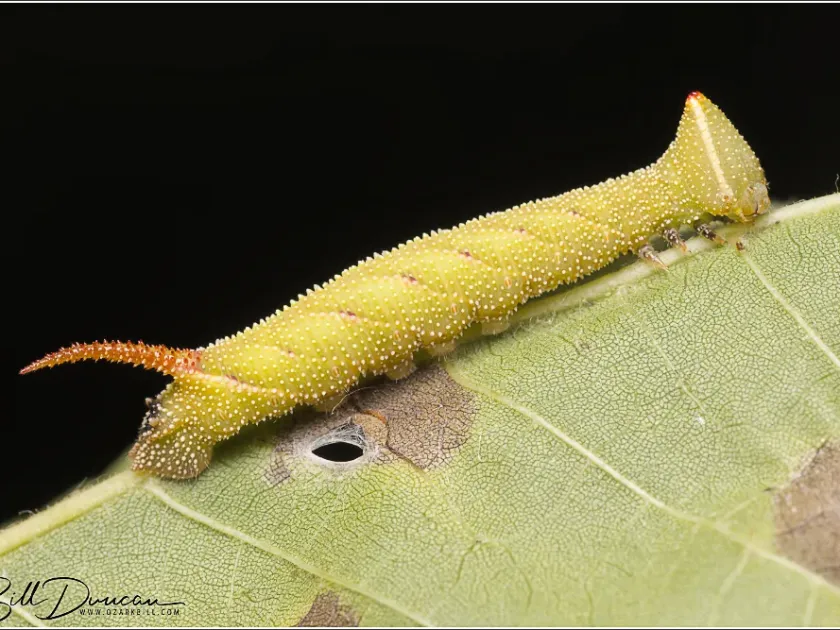
Cressonia caterpillars exhibit classic hawkmoth features, often including a distinct posterior horn. Their green coloration acts as effective camouflage, allowing them to remain hidden while feeding on the foliage of host plants.
The life cycle follows complete metamorphosis, comprising egg, larval, pupal, and adult stages. The moths are typically nocturnal or crepuscular, meaning they are most active during the night.
Understanding their taxonomy and morphology is essential for accurate identification in field conditions. As members of the Lepidoptera order, their development is strongly influenced by ambient environmental factors.
What it damages
Cressonia primarily affects deciduous trees, with the larval stage causing the most significant damage. These caterpillars are voracious feeders and can strip foliage rapidly when present in large numbers.
Host plants typically include species within the walnut family (Juglandaceae), especially the genus Carya. In orchards, heavy infestations can lead to significant reductions in both tree vigor and overall yield.
Mass infestations can result in extensive defoliation, which severely disrupts the tree's photosynthetic capacity. This causes the plant to become stressed and more susceptible to environmental threats or secondary pests.
Beyond mature leaves, the larvae may feed on tender shoots and leaf buds. This stunts the vertical and lateral growth of the tree, which is particularly detrimental to young or newly planted specimens.
Economic damage is observed through decreased fruit size and quality. When a tree is weakened by chronic defoliation, its ability to supply nutrients to the fruits is greatly diminished, impacting total harvest.
When it appears
Adult activity typically begins in late spring or early summer, synchronized with the onset of warmer temperatures. This period marks the start of the breeding season for the population.
After mating, females deposit eggs on the host plant leaves. The incubation period is relatively short, leading to the rapid emergence of larvae just as the plant's seasonal foliage growth peaks.
The mid-to-late summer period is crucial as it coincides with the most active larval feeding phase. Regular monitoring during this time is essential to prevent rapid population spikes.
Cressonia overwinter as pupae in the soil or leaf litter beneath the host tree. This dormancy period ensures the species survives cold winters and emerges when conditions are favorable again.
The number of generations per year is highly dependent on local climate conditions. In warmer climates, multiple generations can occur, requiring a more consistent and prolonged pest management strategy.
Signs of infestation
The presence of frass (caterpillar droppings) on lower leaves or on the ground beneath the tree canopy is the most reliable early indicator of an infestation. This sign alerts growers to the presence of larvae.
Irregularly shaped holes on leaf margins indicate active feeding. As the larvae grow, they consume larger portions of the leaf tissue, leaving behind visible veins or completely skeletal leaves.
Careful inspection of the underside of leaves reveals egg clusters, usually appearing as small, discrete greenish dots. Early detection of these clusters is a highly effective way to manage the population manually.
A thinning or "transparent" appearance of the tree canopy is a sign of advanced damage. This suggests that the larval population has been feeding for an extended period without intervention.
During the night, the sound of active feeding can sometimes be heard in the canopy if the larval density is high. This auditory sign is often the result of large numbers of caterpillars feeding simultaneously.
Control measures
Mechanical control involves the hand-picking of caterpillars and the destruction of egg clusters. This method is safe, effective for smaller areas, and eliminates the need for chemical agents.
Biological control methods, such as applying Bacillus thuringiensis, are highly recommended for sustainable pest management. These products target larvae specifically while sparing beneficial garden insects.
Chemical insecticides should be utilized as a last resort, specifically when populations exceed economic injury thresholds. It is vital to strictly adhere to label guidelines to minimize environmental impact.
Soil cultivation in the autumn is a critical preventive measure. Disturbing the topsoil disrupts the pupal stage, significantly reducing the number of moths that will emerge in the following season.
Pheromone traps are excellent tools for both monitoring and population reduction. By capturing adult males, these traps disrupt the mating cycle and help inform the timing of subsequent control actions.
Taxonomy
- Latin name
- Cressonia
- Order
- Lepidoptera (butterflies)
- Family
- Sphingidae
- EPPO code
- CRESSP
Discussion
No discussions yet — be the first.