
Ermine cone
Conus ermineus
Description
How to identify
The ermine cone is a predatory marine gastropod mollusk belonging to the Conidae family.
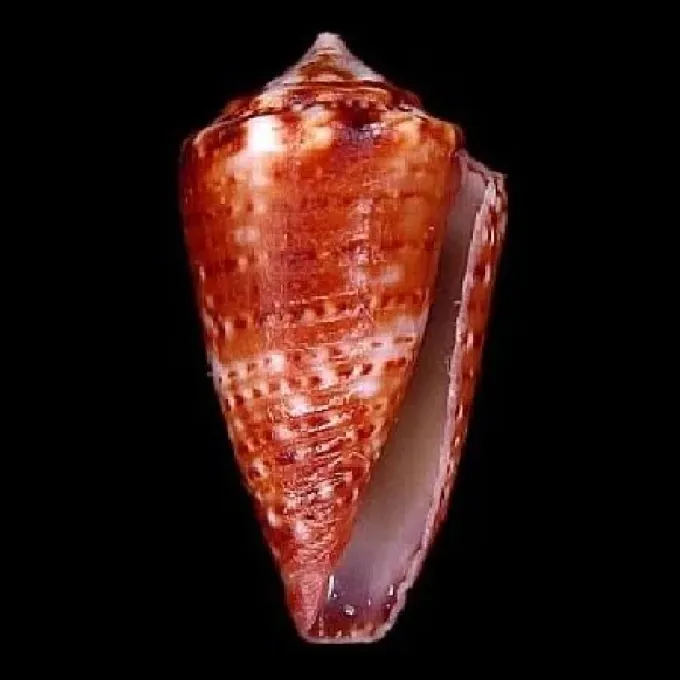
The shell of this species is distinctly cone-shaped, featuring a pattern of spots that resemble ermine fur.
The surface of the shell is relatively smooth and possesses fine spiral grooves visible upon close inspection.
Adult specimens typically range from 4 to 10 centimeters in length and are highly evolved hunters.
This species is equipped with a venomous harpoon-like structure used to immobilize its prey in the wild.
What it damages
The ermine cone is not a crop pest and poses zero threat to agriculture or terrestrial vegetation.
Its diet consists strictly of small fish and other marine organisms found in the Atlantic Ocean.
Because it is an obligate marine carnivore, it has no biological mechanism to consume or damage land-based plants.
There is no risk of infestation in greenhouses, gardens, or field crops regardless of the environmental conditions.
Agricultural monitoring systems do not list this species as a factor affecting crop yield or plant health.
When it appears
Activity patterns are governed by marine oceanographic conditions rather than agricultural planting or harvesting cycles.
These mollusks are nocturnal, spending most of their time in crevices or buried in sand during daylight hours.
Reproductive periods occur year-round in tropical waters, which provide the necessary thermal stability for development.
Lifecycle stages include planktonic larval phases that are dispersed by currents across the Atlantic basin.
Seasonal changes in water temperature may influence local abundance, but do not dictate any interaction with farming.
Signs of infestation
There are no diagnostic signs of damage for this species as it does not feed on crops or plants.
Detection is only possible through direct observation by divers or marine researchers in coastal reef environments.
Shells may occasionally wash up on beaches, which is a sign of their presence in the nearby marine ecosystem.
Human interaction with live specimens should be avoided to prevent accidental envenomation from the mollusk's proboscis.
Reports of damage to plants attributed to this snail are scientifically impossible and represent a misidentification.
Control measures
No pest control measures or management strategies are required for the ermine cone in an agricultural context.
The use of chemical pesticides or biological control agents is irrelevant to the management of this species.
Safe practice involves simple avoidance when swimming or diving in areas inhabited by these mollusks.
There is no need for quarantine, monitoring, or mitigation strategies concerning this marine predator.
Conservation of marine habitats is the only relevant action, maintaining the balance of the ocean food chain.
Taxonomy
- Latin name
- Conus ermineus
- Order
- Molluscs
- Family
- Conidae
- EPPO code
- CONUER
Discussion
No discussions yet — be the first.