
Brown cone
Conus brunneus
Description
How to identify
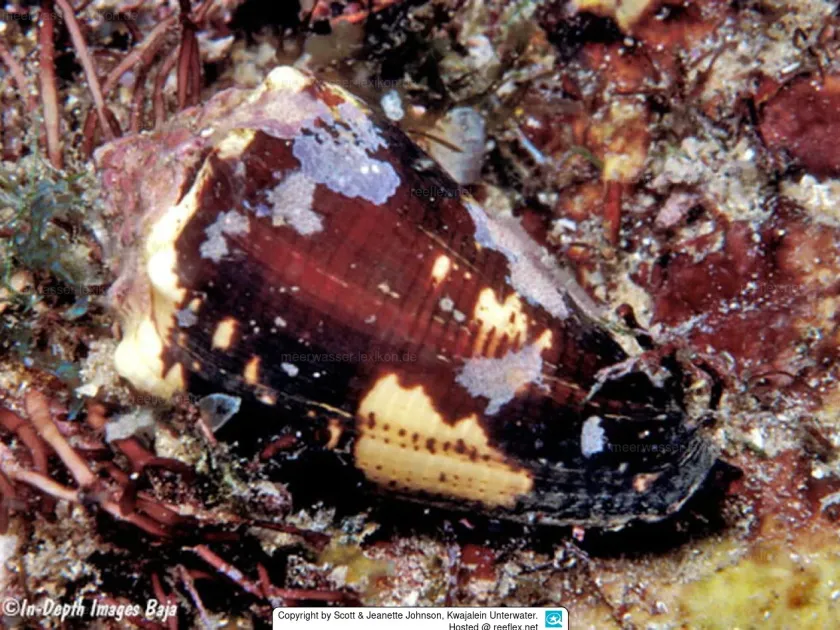
The brown cone (Latin Conus brunneus) is a predatory marine gastropod mollusk from the family Conidae. It is a benthic organism characterized by a solid, cone-shaped shell that typically reaches 4 to 6 centimeters in length.
The shell surface is generally dark brown, sometimes mottled with lighter spots, which serves as camouflage against the sandy or rocky substrates where it dwells. The presence of a prominent spire and a specific shell sculpture are key identification features.
As a member of the order Neogastropoda, this species is equipped with a specialized hunting apparatus. It possesses a modified radula that functions like a harpoon, which the snail uses to inject a paralyzing venom into its prey.
This mollusk is predominantly nocturnal, spending daylight hours buried in the sediment to avoid detection. This behavior makes it a difficult species to manage in commercial maritime environments.
While not a traditional agricultural pest, it is considered a significant biological concern in the aquaculture industry, particularly where coastal water systems are utilized for the production of marine invertebrates.
What it damages
The main impact of Conus brunneus occurs within aquaculture settings, where it preys on valuable marine organisms, such as crustaceans or smaller mollusks, being reared for commercial purposes.
Heavy infestations can lead to a significant reduction in biomass yield on farms that lack proper biological exclusion systems. The predatory nature of the snail ensures that each encounter with prey leads to a fatality.
While they cause no damage to terrestrial crops, their presence in water intake systems for land-based marine farms can introduce them into artificial breeding tanks, leading to contamination of the production area.
The venomous nature of the brown cone creates a safety hazard for workers during the maintenance of submerged equipment and harvesting processes in infested coastal zones.
Economic losses arise from both the direct loss of harvestable biomass and the increased operational costs associated with cleaning, monitoring, and excluding predators from cultivation zones.
When it appears
Activity levels of the brown cone are highly dependent on water temperature. Higher metabolic activity is observed during warmer seasonal periods when the mollusk is more prone to foraging and reproduction.
In tropical regions, the species can remain active year-round, although breeding cycles may align with seasonal shifts in ocean currents, a factor that farm managers must incorporate into their operational planning.
Nocturnal activity peaks during the nighttime, when the snails emerge from their burrows to hunt. This specific timing is critical for monitoring efforts, as visual detection is most effective during the night.
Seasonal migrations are often driven by the search for new food sources. When local populations of prey decline, the snails relocate, potentially moving into protected aquaculture pens.
Predictive monitoring based on seasonal temperature fluctuations is a key strategy for agricultural consultants working in the aquaculture sector to mitigate potential outbreaks of predatory mollusks.
Signs of infestation
The presence of empty shells or characteristic shallow furrows in the sandy substrate are primary signs that Conus brunneus is active in the vicinity of a marine farm.
Injuries on the bodies of cultured organisms, specifically those caused by venomous stings, are direct evidence of predation by this species. Such wounds often result in rapid paralysis and mortality.
Discovery of individuals during routine inspections of water filtration systems or netting indicates an established population that may be encroaching on the production area.
High-resolution underwater cameras used during nocturnal hours are effective in documenting the presence and density of these predators within the aquaculture environment.
- Predators found within net pens;
- Harpoon-like puncture wounds on the prey;
- Distinctive trail patterns on the bottom sediment;
- Unexpected mortality rates in cultured small invertebrates.
Control measures
Manual removal of individuals remains the most common and effective method for small-scale aquaculture operations to keep predator populations under control.
Installing physical barriers, such as high-density fine-mesh netting, effectively prevents the entry of adult snails into cultivation zones, serving as the primary line of defense.
Biological control methods focus on encouraging the presence of natural predators, though this must be carefully managed to ensure compliance with local environmental regulations.
Regular disinfection and drying of aquaculture equipment help to eliminate potential egg-laying sites, reducing the risk of a new generation of snails settling in the production facility.
Chemical control methods are generally avoided due to the risk of toxicity to the intended aquaculture products and potential negative impacts on the surrounding marine ecosystem.
Taxonomy
- Latin name
- Conus brunneus
- Order
- Molluscs
- Family
- Conidae
- EPPO code
- CONUBR
Discussion
No discussions yet — be the first.