
Chocolate-tip moth
Clostera curtula
Description
How to identify
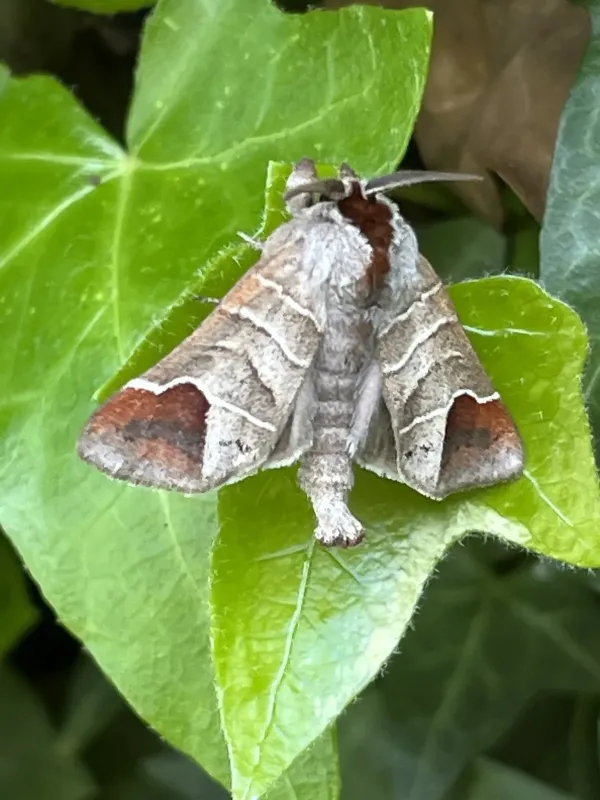
The Chocolate-tip moth (Clostera curtula) belongs to the Notodontidae family. The adult moth has a wingspan of approximately 30–40 mm. Its forewings are brownish-grey, featuring a distinct chocolate-brown patch at the wingtip, which gives the species its common English name.
The larvae, or caterpillars, reach up to 40 mm in length. They are typically greyish-brown to olive-green, adorned with subtle yellow markings and darker spots. This cryptic coloration allows them to blend in seamlessly with the bark and foliage of their host trees.
Pupation occurs within a tough, silken cocoon constructed among folded leaves or within bark crevices. This pupal stage acts as a protective mechanism, ensuring the survival of the insect during dormancy or harsh weather conditions.
The moth undergoes a complete metamorphosis, progressing through egg, larval, pupal, and adult stages. Depending on the geographical region, the species may produce one or two generations annually, directly impacting the severity of foliage damage observed each season.
Adult moths are nocturnal and are frequently attracted to artificial light sources. While they are relatively elusive during the day, their presence is often signaled by the appearance of their offspring—the voracious larvae feeding on the tree canopy.
What it damages
The Chocolate-tip moth is primarily a pest of the Salicaceae family. Its preferred hosts include various species of poplars, including aspen, as well as willows found in both forestry plantations and urban decorative landscapes.
Early-stage larvae feed on the leaf parenchyma, resulting in skeletonization where only the leaf veins remain. This damage hinders the plant's photosynthetic ability, leading to reduced growth rates and weakening the tree's overall vigor.
As the larvae mature, they consume the entire leaf blade. A heavy infestation can cause significant defoliation, which stresses the tree, renders it vulnerable to secondary pathogens, and detracts from the aesthetic value of ornamental specimens.
In forest stands, sustained feeding by these caterpillars can result in reduced timber productivity and increased susceptibility to fungal diseases or secondary insect attacks, such as bark beetles, which capitalize on the stressed host.
The cumulative damage from repeated annual infestations can eventually lead to the decline of individual trees or entire small stands. Monitoring tree health and early detection of defoliation patterns are crucial for preventing long-term economic and ecological losses.
Signs of infestation
The most visible sign of infestation is the presence of curled or rolled leaves secured with silk webbing. These structures serve as larval shelters and feeding sites, protecting the insects from both avian predators and environmental factors.
Accumulated frass (caterpillar droppings) on the leaves below or at the base of the tree is a clear indicator of active feeding. Frequent and abundant deposits of frass suggest a high density of larvae within the canopy.
Patches of sparse or skeletal foliage indicate active grazing by the larvae. In severe cases, the canopy may appear thin and translucent long before the natural onset of autumn leaf drop, a hallmark of significant larval activity.
Observing larvae during the twilight hours or at night can confirm their identity. Additionally, the discovery of papery silken cocoons between joined leaves or in bark fissures is a definitive sign that the population has progressed to the pupal stage.
During the flight season, the presence of these moths near outdoor lighting can serve as a warning sign. While not pests themselves in the adult stage, they indicate that the area is suitable for oviposition and that monitoring for larvae should commence shortly after.
Control measures
On a small scale, such as in gardens, mechanical removal of leaf shelters containing larvae is highly effective. Pruning and destroying these infested leaves early in the season can significantly curb the spread of the population.
Biological control using microbial insecticides based on Bacillus thuringiensis is a safe and environmentally friendly option. These products specifically target the larvae while sparing beneficial insects and natural predators in the ecosystem.
Chemical intervention should be reserved for cases where economic or ornamental thresholds are exceeded. Systemic or contact insecticides applied during the early larval development phase can provide effective protection for highly vulnerable or high-value trees.
Cultural practices, such as clearing leaf litter and pruning dead branches, help eliminate overwintering sites for pupae. Proper site sanitation reduces the likelihood of a rebound in population numbers in the subsequent growing season.
Enhancing habitat diversity to support insectivorous birds and predatory wasps can help maintain the moth population at sub-damaging levels. Establishing such natural checks is a fundamental component of sustainable integrated pest management.
Taxonomy
- Latin name
- Clostera curtula
- Order
- Lepidoptera (butterflies)
- Family
- Notodontidae
- EPPO code
- CLOSCU
Discussion
No discussions yet — be the first.