

Pest · Diptera (flies)
Sorghum midge (Pennisetum midge/Proso midge)
Clinodiplosis cilicrus
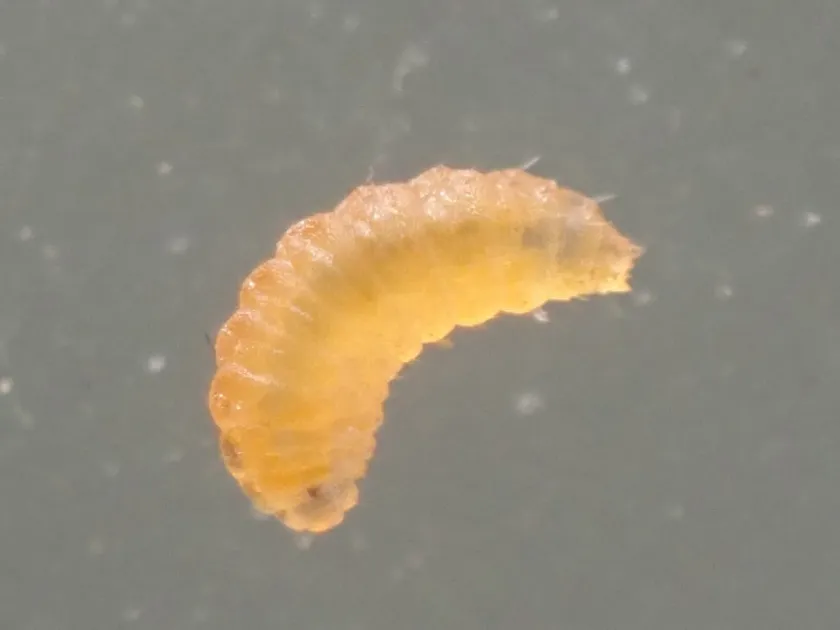
Description
How to identify
The Proso midge (Clinodiplosis cilicrus) is a small dipteran insect belonging to the Cecidomyiidae family. These insects are extremely minute, making detection in the field difficult without specific entomological techniques.
Adults exhibit typical gall midge morphology, characterized by slender legs, fragile bodies, and transparent wings. It is primarily the larval stage that causes economic damage, living and feeding internally within the plant tissues.
This species is a specialized pest that maintains a close biological relationship with proso millet (Panicum miliaceum) cultivation. Identifying the adult insects usually requires specialized sweeping nets during evening hours when they are most active.
The life cycle encompasses a complete metamorphosis from egg to adult. The insect's development is highly dependent on environmental factors, particularly ambient temperature and humidity levels during the flowering stage of the host plant.
Monitoring the population involves observing the panicles and recording the flight patterns of the adults. Understanding the micro-climate needs of the midge is essential for predicting outbreak events in professional agriculture.
What it damages
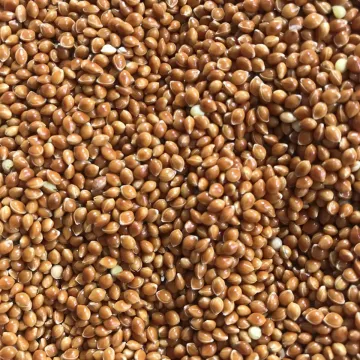
The Proso midge primarily damages proso millet. The damage occurs during the grain filling stages, specifically during milk and dough development, as the larvae feed on the nutrient-rich tissues within the developing grain.
By consuming the internal contents of the ovary, the larvae prevent the proper development of the grain. This results in shriveled, empty, or underdeveloped seeds, which directly reduces the total yield of the crop.
Economic losses can be substantial, often reaching high percentages in favorable years for the pest. The infestation significantly decreases the weight of 1000 grains, compromising both quantity and quality of the final product.
Infested grains often become susceptible to secondary infections, such as mold and fungal diseases, due to the physical damage caused by larval feeding. This further degrades the marketability and storage life of the harvested grain.
Beyond yield reduction, the physical presence of larvae and associated decay can render the crop unsuitable for processing, causing significant financial implications for farmers and grain handlers.
When it appears
Adult emergence typically aligns with the panicle emergence of proso millet. This critical timing allows female midges to lay eggs directly into the developing florets of the crop.
The total development time for one generation varies between three and four weeks. Under optimal warm and humid weather conditions, the pest can complete multiple generations throughout a single growing season.
The larvae overwinter in the soil or within crop residue inside protective cocoons. This survival strategy enables the population to persist through harsh environmental conditions, waiting for spring temperatures to trigger pupation.
Peak infestation activity is usually associated with moderate to high humidity and warm temperatures. Drought conditions may occasionally slow the developmental rate, but the pest remains a constant threat in major production areas.
Dispersion occurs through both flight and wind currents, allowing the midge to spread rapidly across fields. Early season monitoring is vital to catch the initial wave of infestation before it escalates.
Signs of infestation
The primary symptom of infestation is the presence of pale or empty panicles that fail to produce healthy grain. Affected florets often appear distorted and hollow upon inspection.
- Presence of tiny yellow or orange-colored larvae inside the floral glumes.
- Empty or stunted spikelets that fail to fill with grain.
- Withered grain shells that lack the luster and weight of healthy seeds.
- Dark, necrotic spotting on the spikelets indicating internal feeding and potential fungal infection.
- Premature yellowing or drying of individual panicle sections while the rest of the plant remains green.
Control measures
Integrated pest management (IPM) is essential for controlling this pest. Crop rotation serves as a foundational strategy, as it interrupts the pest's cycle by planting non-host crops, thereby reducing the localized population.
Deep plowing or autumn cultivation helps destroy overwintering cocoons in the soil, effectively reducing the carryover of the population for the next season. Removing weeds and volunteer millet also eliminates potential reservoirs for the midge.
Spatial isolation of new millet fields from previous year's infested areas can significantly decrease the likelihood of heavy infestations.
Chemical control measures, such as insecticides, should be applied at the onset of mass adult emergence, before egg-laying occurs within the florets. Correct timing is the most critical factor for successful chemical intervention.
Regular monitoring using sweeping nets allows agronomists to determine if the population density has reached the economic threshold required for applying corrective measures.
Content graph
Connections · Sorghum midge (Pennisetum midge/Proso midge)
Most often together:
Marketplace
Products · 10




Biology
Taxonomy
- Latin name
- Clinodiplosis cilicrus
- Order
- Diptera (flies)
- Family
- Cecidomyiidae
- EPPO code
- CLINPA
Community
Discussion
No discussions yet — be the first.