
Clastoptera undulata
Clastoptera undulata
Description
How to identify
Clastoptera undulata is a species of insect belonging to the family Clastopteridae within the order Hemiptera. These small insects are known for their distinct appearance and unique behavior during the larval stage.
Adults typically have a rounded body shape with brownish patterns on their wings, which give them excellent camouflage when resting on tree branches or foliage. They generally measure between 5 to 7 millimeters in length.
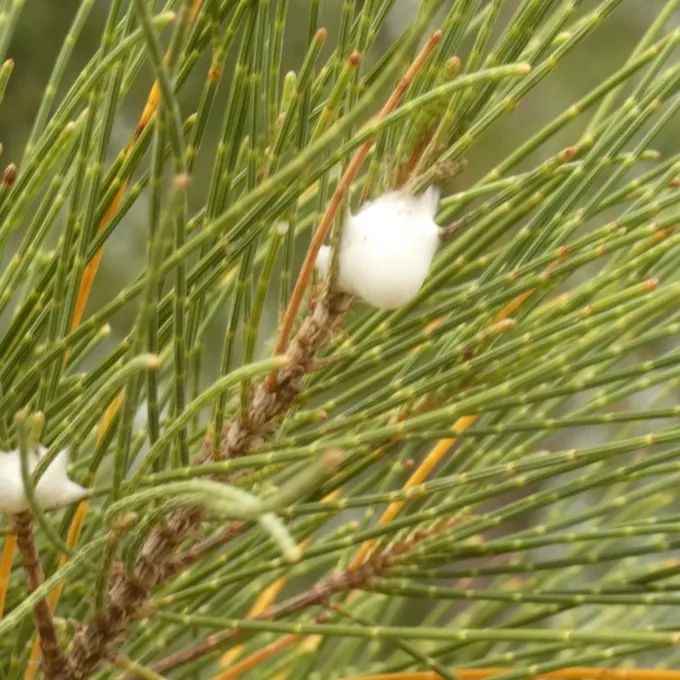
The most recognizable feature of this pest is the frothy, spit-like substance produced by the larvae. This foam serves as a protective layer against predators, parasites, and desiccation.
The head of the adult is typically broad and pressed closely against the thorax. Their wing venation is a key diagnostic characteristic used by entomologists to distinguish them from other spittlebug species.
These insects are primarily found in sheltered, humid environments where they can access a steady supply of plant sap, which is their primary food source throughout their life cycle.
What it damages
As a polyphagous insect, Clastoptera undulata poses a threat to a variety of woody plants, shrubs, and ornamental trees. Both adults and nymphs feed by piercing the plant tissue to suck out cellular sap.
This persistent feeding weakens the plant, often resulting in stunted growth, leaf curling, and overall loss of plant vigor. The removal of nutrients directly impacts the health of new shoots.
Infestations frequently lead to cosmetic damage, making plants look unsightly. Furthermore, the feeding sites can become entry points for secondary pathogens like fungi or bacteria, causing necrosis.
In nurseries and gardens, high populations can significantly reduce the marketable quality of young trees. In severe cases, it may lead to premature leaf drop and the dieback of infested branch tips.
The hidden nature of the larvae within their foam houses often means that damage is discovered only after the plant's health has already started to decline.
When it appears
The life cycle of this pest is closely aligned with the seasonal changes of its host plants. Overwintering occurs in the egg stage, with eggs tucked under bark or near buds.
As temperatures rise in the spring, nymphs emerge and immediately begin feeding. This is the period when the characteristic foam masses start to appear on new growth.
Development involves multiple nymphal stages during the late spring and summer months. The insects move to more suitable succulent parts of the plant as they grow.
Adults typically emerge mid-summer and are capable of flight, allowing them to disperse and find new host plants. This phase is crucial for the population spread across the garden.
By late autumn, adults mate and females deposit their eggs for the following year. This single-generation cycle ensures the survival of the population through the harsh winter months.
Signs of infestation
The most reliable sign of an infestation is the presence of white, frothy masses in the leaf axils or along the stems, commonly referred to as "spittle."
- Sticky honeydew residues found on leaves and branches.
- Deformed, stunted, or twisted tips of new shoots.
- Yellowing and drying of leaves due to nutrient depletion.
- Presence of ants, which are often attracted to the honeydew produced by the nymphs.
Careful inspection of the plant canopy is necessary to locate these foam nests, especially during the active growing season in late spring.
Early detection is vital, as the nymphs are protected by the foam, making them less susceptible to environmental stressors and some localized controls.
Control measures
Managing Clastoptera undulata effectively requires a multi-faceted strategy that includes monitoring, mechanical removal, and chemical intervention when necessary.
For smaller infestations, washing the foam masses off with a strong stream of water can physically remove the larvae and reduce the population count.
If the infestation is extensive, systemic insecticides are the most effective treatment. These are absorbed by the plant and target the pests while they are feeding.
Pruning and destroying affected branches during the early stages of the season can prevent the spread of the pest and remove potential egg-laying sites.
Maintaining strong plant health through proper fertilization and adequate irrigation helps plants withstand the stress of an infestation and recover more quickly after control measures are applied.
Taxonomy
- Latin name
- Clastoptera undulata
- Order
- Hemiptera (bugs, aphids, leafhoppers)
- Family
- Cercopidae
- EPPO code
- CLASUN
Discussion
No discussions yet — be the first.